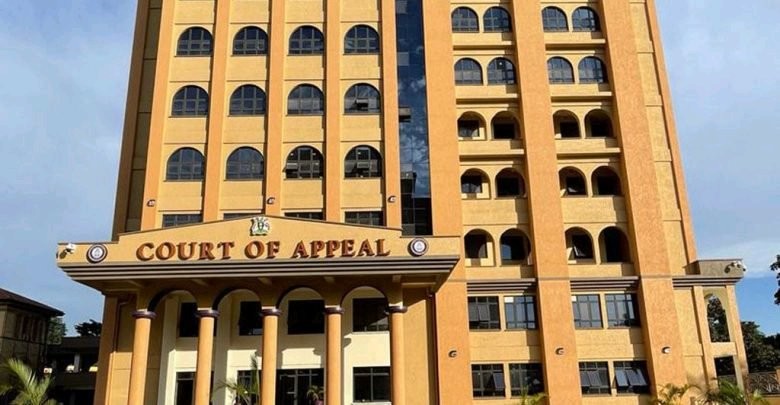
The Court of Appeal has launched a three-day criminal appellate session at Kabale High Court, aimed at expediting justice and easing the backlog of cases in Uganda’s Kigezi sub-region. The session, presided over by Deputy Chief Justice Dr. Flavian Zeija, will hear 30 appeal cases, including 10 murder appeals, 10 for aggravated defilement, four for aggravated robbery, two for kidnapping with intent to murder, and one each for rape and manslaughter.
A panel of Justices—Frederick Martin Stephen Egonda-Ntende, Oscar John Kihika, and Jesse Byaruhanga Rugyema—is handling the proceedings. This marks the third time the Court of Appeal has convened in Kabale, a move designed to bring judicial services closer to citizens, reduce litigation expenses, and spare litigants the burden of traveling to Kampala.
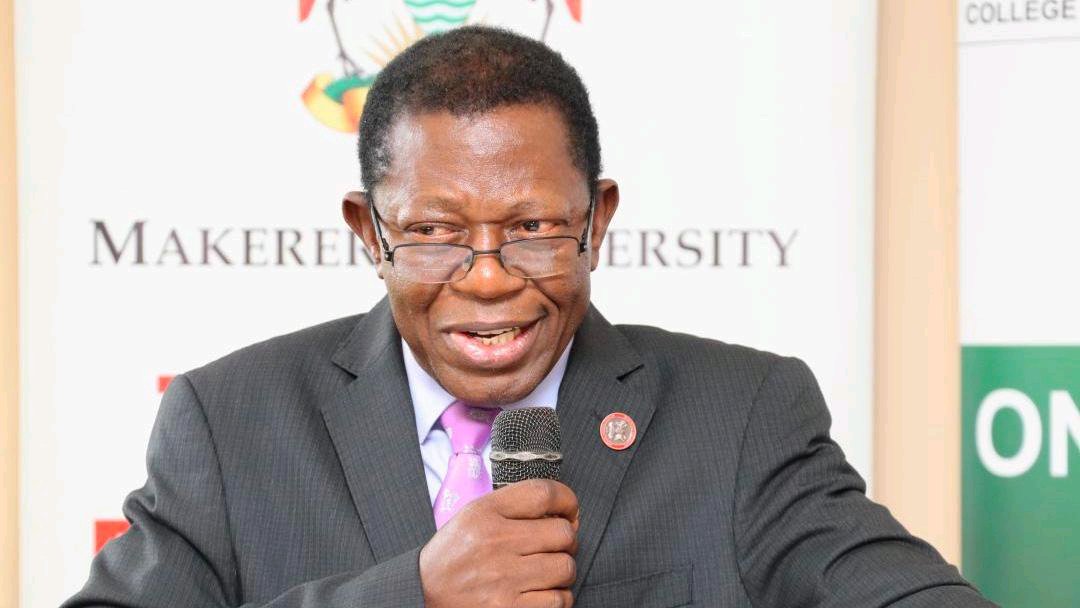
Justice Zeija emphasized that the Judiciary is committed to timely and efficient justice delivery, noting that regional sittings help reduce delays caused by heavy caseloads. He acknowledged that past backlogs stemmed from limited staffing and overwhelming workloads, but expressed optimism after increasing the number of Justices from 13 to 20, with plans to reach the statutory 35 to better support regional appellate circuits.
To address operational challenges, the Judiciary is employing ICT solutions to track missing case files and prevent misplacement of records. Justice Zeija also encouraged wider adoption of Alternative Dispute Resolution mechanisms such as mediation and plea bargaining to complement formal court processes.
Kabale Resident Judge Justice Karoli Lwanga Ssemogerere welcomed the appellate panel, highlighting ongoing efforts to reduce backlogs through close coordination among justice sector actors, including the Attorney General’s Office, ODPP, Police, Prisons Service, and local government. He also noted innovations such as virtual testimonies, the role of the Kabale Remand Home in juvenile justice, and digitization initiatives like online portals for cause lists and judgments.
Representatives from the justice sector underscored the importance of the regional sessions. Sam Oola of the ODPP described the initiative as a “vital innovation” in tackling delays, while Betty Karungi Gasabusa from the Attorney General’s Chambers announced plans to establish five new regional offices, including in Kabale and Masaka, to strengthen government legal representation.
Rebecca Ayesiga of the Uganda Law Society praised the Judiciary for its consistent conduct of regional sessions, saying they enhance public confidence and give litigants renewed hope in the legal system. Meanwhile, Justice Lwanga reported that Kabale High Court’s backlog has reduced from 950 to about 800 cases, attributing the progress to improved coordination with key justice stakeholders.
Festo Sambya, Assistant Commissioner of Prisons and Regional Prisons Commander for Kigezi, welcomed the appellate session, noting that over 20 inmate files had been awaiting judgment. He said the presence of the Court of Appeal provides hope to inmates, helping to alleviate stress and uncertainty associated with delayed justice.
The regional sitting underscores the Judiciary’s ongoing efforts to make justice more accessible, improve efficiency, and ensure timely resolution of criminal cases across Uganda.