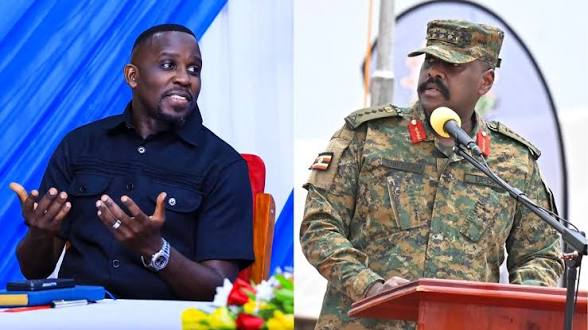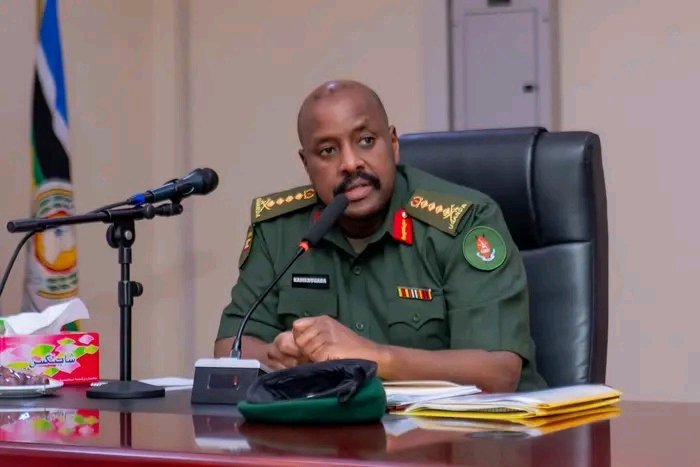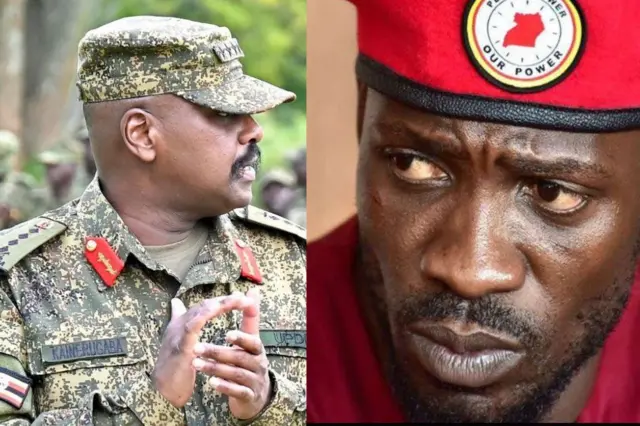
The Uganda People’s Defence Forces (UPDF) has criticised sections of the Western media, accusing them of showing preference for opposition leader Robert Kyagulanyi Ssentamu, popularly known as Bobi Wine, over Chief of Defence Forces General Muhoozi Kainerugaba as a potential successor to President Yoweri Museveni. The army argues that some international publications have portrayed Muhoozi negatively while giving more favourable attention to opposition figures.
The concerns were raised in a statement issued on October 10, 2026, by UPDF Acting Director of Defence Public Information, Colonel Chris Magezi. He was responding to an article published by The New York Times on October 8, 2026, written by Megan K. Stack and titled “The Authoritarian Future Is Already Here.” The article examined Uganda’s political environment, allegations of human rights abuses and questions surrounding the country’s future leadership.
In his response, Magezi accused the writer of relying heavily on accounts from opposition politicians, activists and individuals critical of the Ugandan government. He also referred to previous publications by The Telegraph, The Wall Street Journal and The Economist, arguing that Western media organisations had repeatedly presented Muhoozi and the UPDF in a negative light. According to him, such reporting raises questions about the political interests influencing international coverage of Uganda.
Magezi went further to suggest that Western media outlets would prefer to see Bobi Wine or another leader with similar political views take over from President Museveni rather than Gen Muhoozi. He argued that Muhoozi was not the preferred candidate of some Western publications when discussing Uganda’s post-Museveni leadership. However, he maintained that the decision about who should lead the country belongs to Ugandans and should not be influenced by foreign interests.
Another major issue addressed in the UPDF response was the account of exiled Ugandan writer Kakwenza Rukirabashaija, who reportedly described humiliating treatment during detention. Kakwenza alleged that he was beaten, suffered injuries and scars, and was later offered money to remain silent about his experience. His account featured in the New York Times article as part of the wider discussion about alleged human rights violations in Uganda.
Magezi strongly dismissed Kakwenza’s allegations, insisting that General Muhoozi had never met the writer. He questioned the claims presented in the publication and challenged the credibility of accounts that he considered politically motivated. However, the military statement did not independently establish what happened during Kakwenza’s alleged detention, leaving the competing accounts unresolved.
The UPDF also defended Muhoozi’s military career, arguing that international media coverage had concentrated too much on his controversial social media statements while paying insufficient attention to his service in the armed forces. Magezi maintained that allegations against military officers should be supported by credible evidence and proper investigations rather than relying entirely on statements from individuals opposed to the government.
The army concluded by reaffirming its commitment to operating within Uganda’s laws and supporting civilian authorities whenever required. Magezi said the UPDF would not protect members found to have violated the law but also warned against what he described as attempts by foreign actors to interfere in Uganda’s internal affairs. The response has once again brought the country’s political succession debate into the spotlight, with questions about Muhoozi’s political ambitions, Bobi Wine’s opposition movement and Uganda’s future leadership continuing to attract both domestic and international attention.