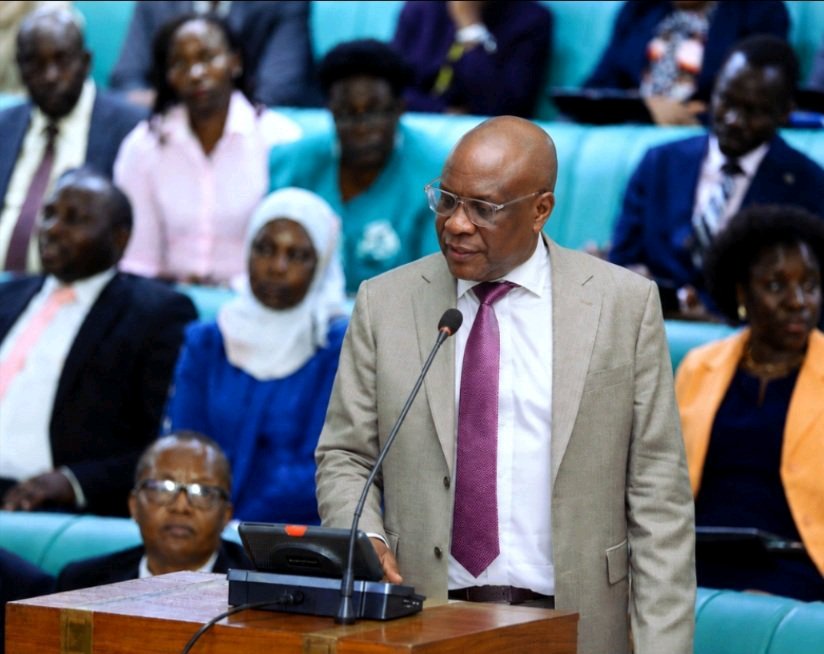
Dakabela County Member of Parliament Hon. Peter Edeku Edopu has urged Government to introduce a five-year tax exemption for newly established micro, small and medium enterprises (MSMEs), saying the move would encourage more Ugandans to venture into business, create jobs and build a stronger future tax base for the country.
Addressing Parliament, Edeku argued that many promising businesses collapse during their early years due to limited capital, high operational costs and the pressure of immediate tax obligations. He proposed that new enterprises should be given a five-year grace period to stabilize, reinvest earnings and develop sustainable operations before beginning full tax payments.
The legislator said the exemption would provide entrepreneurs with an opportunity to use their initial profits to purchase equipment, increase stock, expand their businesses and create employment opportunities instead of being overwhelmed by early financial demands.
Edeku noted that many Ugandans, especially young people and women, have business ideas but hesitate to formalize them because of concerns about taxes, licensing fees and other costs. He said a temporary tax holiday would encourage more people to register their businesses, keep proper records and participate in the formal economy.
The Dakabela MP emphasized that supporting small businesses should be viewed as an investment rather than a loss of government revenue. He argued that enterprises that survive and grow during the exemption period would later contribute through taxes such as Pay As You Earn, Value Added Tax and corporate tax, ultimately expanding Uganda’s revenue base.
He further stated that MSMEs are among the biggest sources of employment in communities across Uganda, particularly in rural areas. According to Edeku, strengthening these businesses would increase household incomes, reduce unemployment and improve economic activity at the grassroots level.
Edeku also called for fairness in government incentives, saying while large companies often benefit from various fiscal support measures, small businesses also deserve deliberate assistance to help them compete, survive and grow. He linked the struggles of new enterprises to challenges such as inflation, high input prices, limited access to finance and weak consumer purchasing power.
However, the MP said the proposed tax exemption should be accompanied by business support programmes focusing on financial literacy, digital financial management, record keeping, market access and entrepreneurship training. He maintained that empowering Ugandans to build strong businesses today would create more employers, producers and taxpayers in the future, helping Uganda achieve a wider and more resilient economy.