Adjumani District has seen a crucial revival in its health services following the return of 112 health workers, whose reinstatement is supported by Medical Teams International (MTI) and funded by the United Nations High Commissioner for Refugees (UNHCR).
These workers have been redeployed across 15 integrated healthcare facilities, where they will serve both the refugee and host communities. The move brings much-needed relief to a health system that had been severely strained after significant layoffs earlier in the year.
The health sector in Adjumani had been under immense pressure after the January layoff of 243 health workers, a consequence of funding shortages that had disrupted essential services. With a refugee population of over 230,000 spread across 19 settlements, the region’s health infrastructure had become dangerously stretched, and the gap left by the mass layoffs had raised alarms about a potential public health disaster.
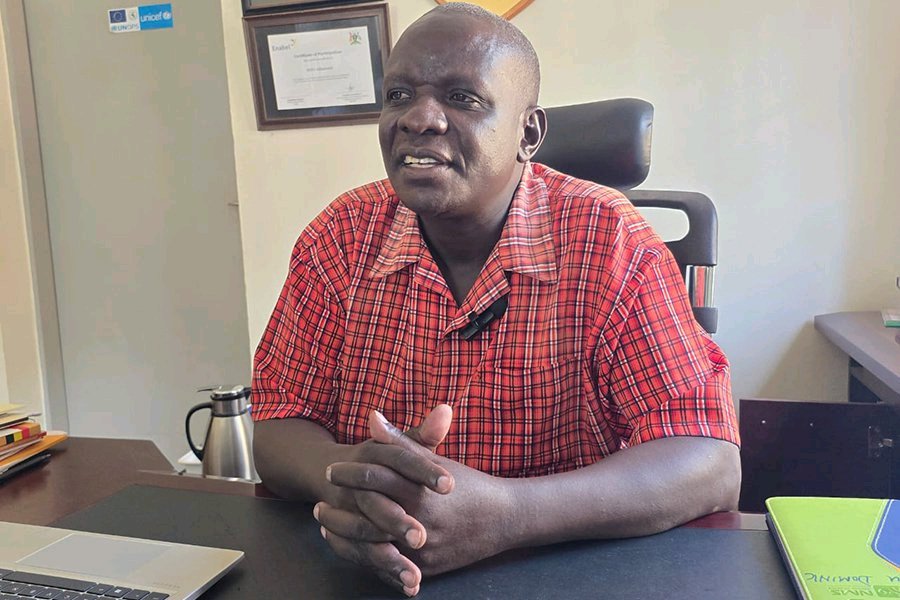
Dr. Dominic Drametu, the Adjumani District Health Officer, expressed optimism about the impact of the reinstatement, highlighting that the return of these health workers would help restore the critical services that had been deeply affected by the workforce cuts. “This intervention will go a long way in stabilizing health services,” Dr. Drametu said. “We anticipate that normal healthcare services will resume for both refugees and host communities.”
The layoffs had led to severe disruptions in health services, particularly in maternal care, disease prevention, and emergency healthcare, areas that are particularly vulnerable in refugee-hosting districts like Adjumani. Local authorities had expressed concern that, without intervention, the region could face a full-scale health crisis. District leaders in the West Nile sub-region had warned that the overstretched health system could collapse if staffing shortages weren’t addressed immediately.
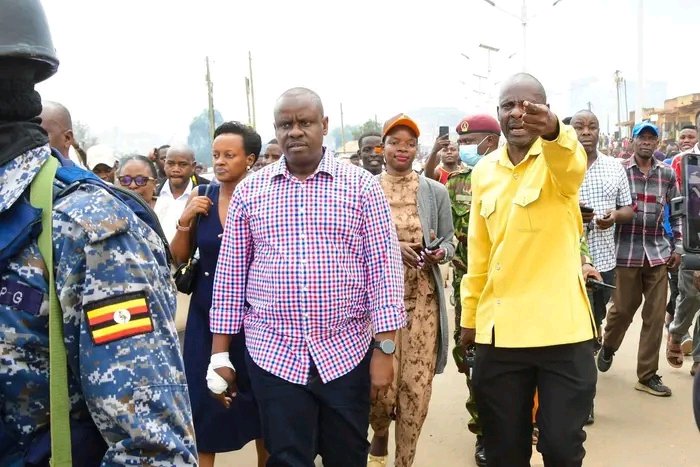
In response, district authorities moved swiftly to engage with Medical Teams International and UNHCR to address the crisis. The decision to bring back 112 health workers came after intense consultations and negotiations with humanitarian agencies. Ben Anyama, the Chairperson of Adjumani District LC5, underscored the urgency of the situation, noting that the region’s health services were teetering on the brink of failure.
Medical Teams International, which had initially supported the health workers, cited funding constraints as the reason behind the layoffs. UNHCR also acknowledged the financial challenges that were affecting its ability to sustain staffing levels in the district’s integrated health services. However, the funding intervention that led to the workers’ return has been seen as a vital step toward stabilizing the health system.
Despite the positive development, local leaders and health authorities have called for a more sustainable solution. They warned that while the return of these workers provides immediate relief, the district’s health system is still vulnerable without long-term, predictable funding. Both district officials and humanitarian partners have stressed the need for more robust financial mechanisms to ensure continuity in healthcare provision, particularly in a region facing constant pressures from both the refugee population and the local community.
The reinstatement of the 112 health workers has been welcomed as a vital step in the right direction, but it is clear that Adjumani’s healthcare system still faces significant challenges. Authorities and stakeholders continue to call for long-term strategies to avoid future disruptions and ensure the health needs of both refugees and host communities are adequately met.