Uganda’s political and media landscape has been dominated by intense debate following statements indicating that President Yoweri Museveni personally authorized the security operation that led to the disruption of operations at Nation Media Group (NMG) outlets. The development has attracted widespread attention both within Uganda and internationally, with supporters and critics offering sharply different interpretations of the government’s actions.
The controversy began after security personnel reportedly raided facilities associated with Nation Media Group, affecting several major media platforms including NTV Uganda, Daily Monitor, KFM, Dembe FM, and Spark TV. The operation immediately sparked public concern, with many Ugandans questioning the circumstances that led to the shutdown and the legal processes involved.
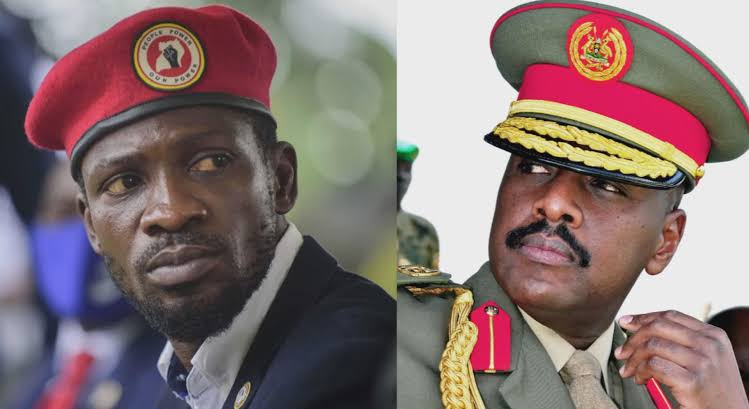
Initially, much of the public discussion focused on statements attributed to Uganda’s Chief of Defence Forces, Muhoozi Kainerugaba. Social media posts linked to the military chief appeared to suggest that he had played a central role in the action against the media organization, leading many observers to hold him responsible for the development.
However, subsequent statements from government officials appeared to shift the narrative. According to remarks attributed to Information and National Guidance Minister Justine Kasule Lumumba, the inquiry and security operation were instituted under the authority of President Yoweri Museveni himself rather than being an independent action initiated by Gen. Muhoozi.
The clarification generated fresh political debate because it directly addressed accusations that the President’s son was acting beyond his official mandate. Supporters of the government argued that the clarification demonstrated that the operation was a state-directed investigation rather than an initiative driven by an individual military officer.
Critics, however, argued that the clarification raised even more significant questions regarding the legal justification for the operation. They contended that whether the directive came from the President or another official, the public still deserved a comprehensive explanation regarding the basis of the action and the protections afforded to media institutions under the law.

The shutdown of prominent media outlets immediately triggered reactions from journalists, civil society organizations, opposition politicians, and international observers. Many expressed concern about the implications such actions could have on freedom of expression and the ability of independent media organizations to operate without interference.
Supporters of the government’s position maintained that national security concerns sometimes require investigations into media organizations or other institutions when authorities believe certain activities may pose risks to public order or state interests. They argued that investigations should be allowed to proceed before conclusions are drawn.
The incident also placed Uganda’s media regulatory environment under renewed scrutiny. Reports indicated that the Uganda Communications Commission initially stated that it was not fully aware of the circumstances surrounding the operation and would consult with relevant agencies before issuing a formal position.
That statement further fueled public interest because many observers expected the country’s communications regulator to play a central role in matters affecting major broadcasting organizations. The apparent uncertainty prompted calls for greater transparency and coordination among government institutions.
Meanwhile, prominent journalist and political commentator Andrew Mwenda reportedly indicated that discussions were underway regarding the future relationship between the authorities and Nation Media Group. His comments suggested efforts to engage relevant stakeholders and potentially find a path toward resolving the dispute.
The broader controversy quickly extended beyond Uganda’s borders. International media freedom advocates and foreign observers closely monitored developments, with some expressing concern that the shutdown could affect Uganda’s reputation regarding press freedom and democratic governance.
Within Uganda, the matter sparked heated discussions across social media platforms, radio talk shows, and public forums. Citizens debated whether the government’s actions were justified in the name of national security or whether they represented an excessive restriction on independent journalism.
Opposition politicians seized upon the incident to criticize the government, arguing that the closure of major media outlets sends a troubling signal about the state of democratic freedoms. Several opposition figures called for the immediate restoration of normal broadcasting operations and greater accountability from authorities.
Government supporters responded by emphasizing the need for responsible journalism and adherence to national laws. They argued that media organizations, like all institutions, must operate within established legal frameworks and cooperate with lawful investigations when necessary.

The controversy has also reignited broader conversations about the balance between national security and civil liberties. Political analysts note that governments around the world frequently face difficult decisions when attempting to address security concerns while simultaneously protecting constitutional freedoms.
For President Museveni, the decision to publicly assume responsibility for the operation has altered the political dynamics surrounding the issue. Rather than allowing speculation to continue regarding who ordered the action, the clarification places accountability directly at the highest level of government.
Observers say the coming days will be critical in determining how the situation develops. Much will depend on the findings of the ongoing inquiries, the government’s communication with the public, and whether affected media outlets are allowed to resume normal operations.
The incident has also highlighted the growing influence of social media in shaping political narratives. Statements from senior leaders, government officials, journalists, and activists have circulated rapidly online, influencing public perception before formal investigations have concluded.
As Uganda continues to grapple with the fallout from the shutdown, many citizens, journalists, and political stakeholders are calling for transparency, due process, and open communication.
Regardless of differing political opinions, there is widespread agreement that clarity regarding the reasons for the operation and the future of affected media outlets will be essential in restoring public confidence.I can also make it more dramatic, SEO-optimized, and tabloid-style if you’re publishing it on a news website.