The Uganda Human Rights Commission (UHRC) has started consultations for its forthcoming 29th Annual Report on the State of Human Rights and Freedoms in Uganda, with key issues including juvenile justice, access to health services, the rights of older persons and working conditions of medical interns expected to take centre stage.
The two-day consultative meeting, being conducted under the Commission’s Directorate of Monitoring and Inspections, has brought together stakeholders from government, civil society, professional associations and other organisations to provide views and evidence on selected human rights issues affecting Ugandans.
Participants include officials from the Ministry of Gender, Labour and Social Development, Ministry of Justice and Constitutional Affairs, Governance and Security Programme Secretariat and Ministry of Health, alongside representatives from Help Age Advocacy Network Uganda, Uganda Medical Association, Federation for Uganda Medical Interns, Africa Green Health Network and other stakeholders.
While welcoming participants, Acting Secretary to the Commission Mr. Kamadi Byonabye said the consultations would focus on a number of important thematic areas. These include juvenile justice, the right to health, rights of older persons, the plight and human rights of security guards, air quality in Uganda, digital rights and food safety, among others.
Chairperson of the Editorial Board and Member of the Commission, Hon. Crispin Kaheru, said the Commission cannot produce a representative human rights report on its own without listening to different stakeholders.
“We need perspectives from government, Civil Society Organisations, academia and experts on the issues we have selected to write about,” Kaheru said.
He explained that the annual report is expected to look at three major areas, including progress made in the promotion and protection of human rights, existing gaps and what needs to be done to address those gaps.
Kaheru challenged those involved in preparing the report to be bold enough to identify gaps and ensure that the report is based on evidence. He also urged them to capture the actual experiences of Ugandans rather than relying on textbook examples of human rights situations.
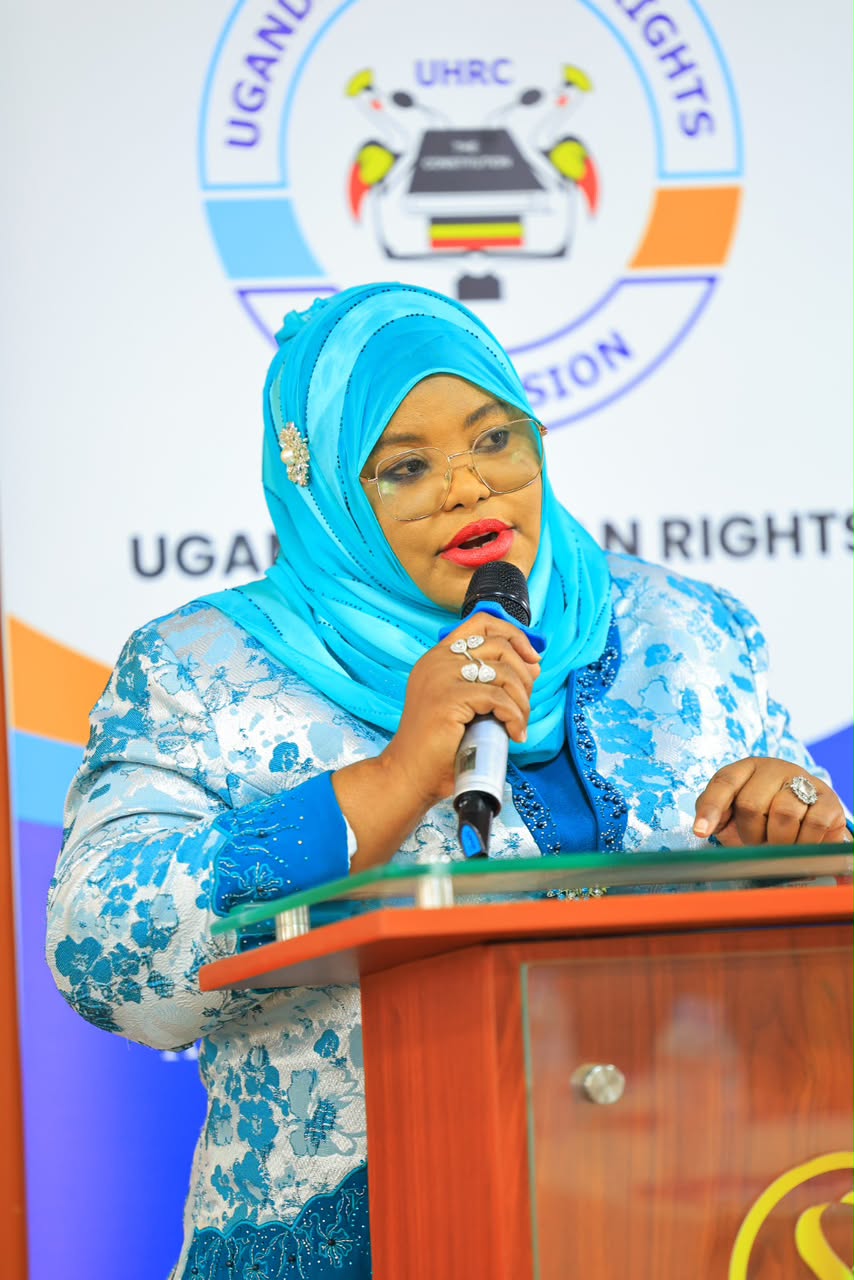
Officially opening the meeting on behalf of UHRC Chairperson Hon. Mariam Wangadya, Commission Member Hon. Shifrah Lukwago described the consultative process as deliberate and necessary for producing a credible report.
“This consultative process is deliberate and indispensable. The strength of any National Human Rights Institution lies not only in its independent findings but in the honesty of the voices that shape those findings,” Lukwago said.
She urged participants to critically examine the state of human rights in the country by asking difficult questions about government progress, areas where responses have been inadequate or delayed, and how recommendations contained in previous reports can be better implemented.
Lukwago also called for greater attention to emerging human rights concerns and urged stakeholders to ensure that human rights are understood as issues affecting people’s daily lives in homes, schools, health facilities, workplaces, police stations, prisons and government offices.
During the meeting, Senior State Attorney at the Ministry of Justice and Constitutional Affairs, Counsel Brian Musota, presented on the state of juvenile justice in Uganda in 2026. He noted that Uganda has laws and legal instruments intended to support the protection and realisation of juvenile justice.
However, Musota said the major challenge remains effective implementation of the existing laws. His presentation therefore brought attention to the gap that can exist between having laws in place and ensuring that children actually enjoy the protection provided for under those laws.
The conditions of medical interns also emerged as an important issue during the consultations. The outgoing Secretary General of the Federation for Uganda Medical Interns, Dr. Allan Okwir, highlighted several challenges affecting medical interns across the country.
Okwir pointed to delayed deployment, long working hours and inadequate allowances among the concerns facing medical interns. He said some interns work for more than 36 hours without rest, raising concerns about their welfare and working conditions.
He appealed to the UHRC to engage relevant stakeholders to address the challenges faced by medical interns and ensure that their rights and welfare are given appropriate attention.
The consultations are expected to help the Commission gather information and views from different sectors before compiling the 29th Annual Report on the State of Human Rights and Freedoms in Uganda. The process is intended to ensure that the final report reflects evidence, challenges and lived experiences from different parts of society.
The different sessions of the meeting are being chaired by UHRC Commissioners Hon. Jacklet Atuhaire Rwabukurukuru, Hon. Simeo Muwanga Nsubuga and Hon. Lamex Omara Apitta.
Also attending the consultations are UHRC Directors Ms. Sarah Nakhumitsa, Ms. Pauline Nansamba Mutumba, Mr. Dennis Kakeeto and Ms. Rosemary Kemigisha, together with selected members of staff from the Commission.