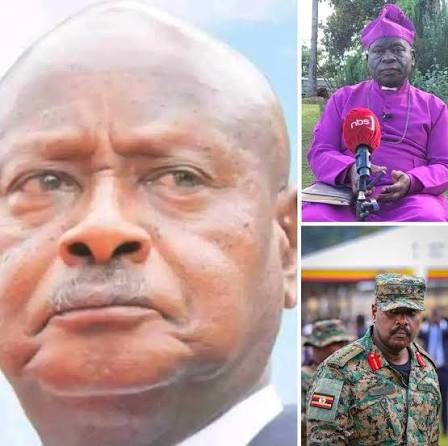
Mityana Diocese Bishop Dr. Ssalongo James Bukomeko has spoken out strongly against the arrest and reported detention of former Kampala Lord Mayor Erias Lukwago, saying he will not be intimidated into silence despite growing political tension in the country.
The Bishop made the remarks while addressing concerns over recent developments surrounding Lukwago’s arrest, which has triggered widespread public debate and concern among religious and civil society leaders.
His comments come at a time when Uganda’s political climate remains highly sensitive, with increasing discussions about the treatment of opposition figures and the limits of political expression.
Bishop Bukomeko said he was deeply concerned about reports of the manner in which Lukwago was taken into custody and the broader implications for justice and human rights in the country.
He warned that Uganda risks revisiting painful chapters of its political history if the current trajectory of arrests and intimidation continues unchecked.
The Bishop emphasized that speaking out on matters of justice is a moral responsibility for religious leaders, regardless of political pressure or personal risk.

He stated that fear should not prevent citizens and leaders from raising their voices when they believe something is wrong in society.
In his remarks, Bukomeko made it clear that even threats would not deter him from speaking out on issues he considers important for the wellbeing of the nation.
His comments quickly attracted attention across the country, especially among those closely following the case involving Lukwago and other opposition figures.
Lukwago, a former Kampala Lord Mayor and prominent opposition leader, was recently arrested and charged with misprision of treason, a development that has sparked intense public debate.
Opposition supporters have criticized the arrest, arguing that it reflects a growing trend of political intimidation against dissenting voices.
Government supporters, however, maintain that the matter is a legal issue that should be handled through the courts without political interference.
The Bishop’s intervention adds to a growing list of religious and civil society voices expressing concern about the political situation in Uganda.
Religious leaders in Uganda have historically played an important role in commenting on national issues, especially those involving justice, governance, and human rights.

Bishop Bukomeko said the church cannot remain silent when citizens feel threatened or when justice appears to be at risk.
He insisted that the role of religious leadership includes speaking truth to power, even when such statements may be unpopular or controversial.
His remarks have since generated mixed reactions, with some Ugandans praising his courage while others argue that religious leaders should avoid direct involvement in political disputes.
Human rights advocates have echoed similar concerns, calling for transparency and due process in all legal proceedings involving political figures.
As the debate continues, attention remains focused on Lukwago’s legal case and the broader political environment in which it is unfolding.
For now, Bishop Bukomeko’s message has added a moral and religious dimension to an already heated political discussion, highlighting ongoing tensions between justice, governance, and public accountability in Uganda.