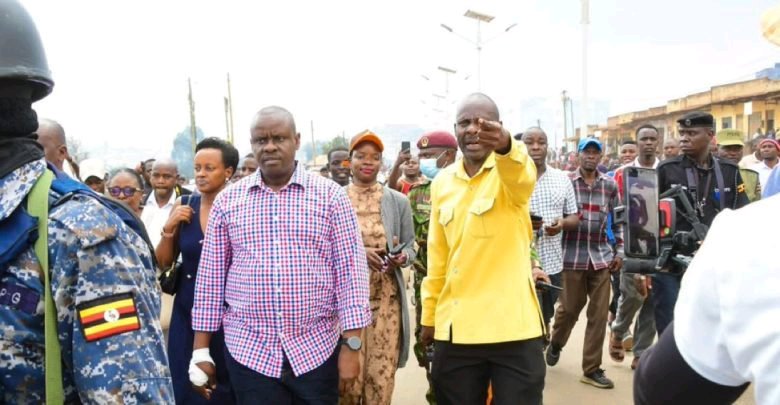
President Yoweri Museveni has thrown his weight behind field inspections led by ministers Balaam Barugahara and Nameere, saying their direct engagement with communities is helping expose corruption that has allegedly been concealed by officials at different levels of government.
In a statement dated August 26, Museveni rejected concerns that the ministers could be “Kutomera” by acting on allegations without sufficient information. He argued that the widespread and repeated nature of corruption complaints required government officials to take firm action instead of waiting for problems to escalate.
“The fear that the Barugaharas and Nameeres may Kutomera may not be based on facts,” Museveni said, linking the inspections to what he described as persistent impunity and frequent corruption incidents involving unaccountable individuals.
The President said complaints raised by citizens had included alleged abuse of the Parish Development Model, the sale of local government jobs and the presence of ghost learners, teachers and health workers on government payrolls. He said such allegations required immediate attention and proper investigation.
Museveni urged the Director of Public Prosecutions to assign a dedicated officer to examine the evidence collected during the ministers’ inspections and move quickly against suspects where sufficient evidence exists. He said the large volume of information gathered should translate into prosecutions rather than remain unacted upon.
According to the President, corruption has continued partly because some officials responsible for protecting public resources instead help conceal wrongdoing, while influential members of society often remain silent when they encounter abuse of public funds and authority.
Museveni credited the public barazas organised by Barugahara and Nameere with creating an avenue for citizens to speak openly about problems affecting their communities. He said the approach had helped government bypass what he described as a “blockade” created by elements within the elite who shield corrupt actors from scrutiny.
The President cited lawmaker Byamukama as an example of an official who helped expose an alleged State House extortion scheme, saying suspects were eventually trapped and arrested after the matter was brought to his attention. Museveni maintained that corruption can be defeated if government officials refuse to protect wrongdoers and citizens actively report abuse, declaring, “This corruption in Uganda is stoppable.”