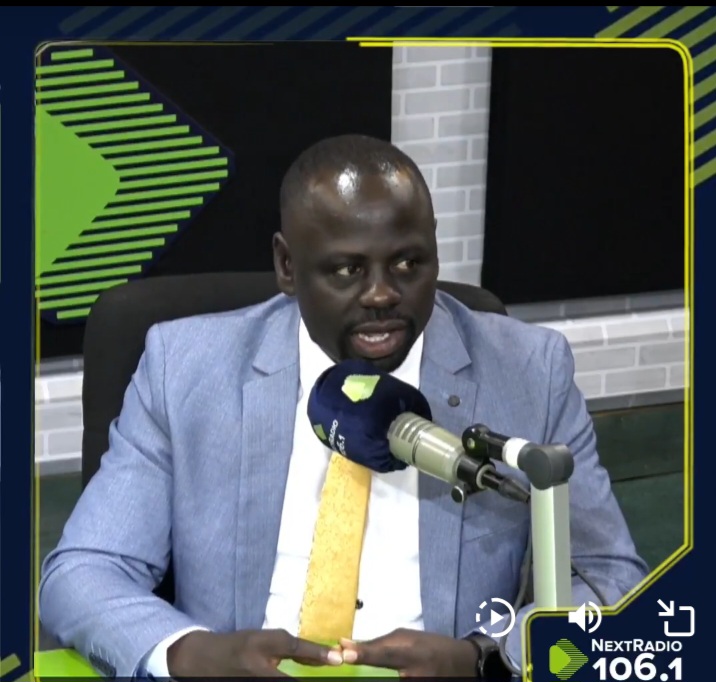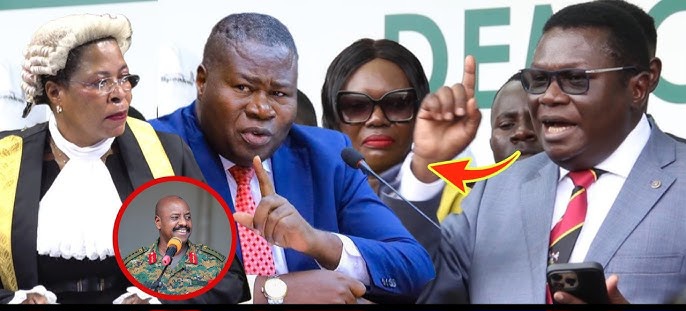
The newly elected Speaker of the Parliament of Uganda, Oboth-Oboth, has sent a strong message to Members of Parliament, warning them not to expect any form of financial assistance, donations, or personal cash handouts from his office.
His remarks, delivered during a high-level induction session for MPs at Speke Resort Munyonyo, marked a clear departure from practices associated with previous parliamentary leadership.
Oboth-Oboth described himself as a “poor modest Speaker,” a statement that immediately drew attention from legislators who have long been accustomed to financial generosity from the Speaker’s office. He made it clear that his leadership style would not include the distribution of money for personal or political requests.
According to the Speaker, the era in which MPs frequently relied on the Speaker’s Chambers for financial support was officially over. He emphasized that his office would focus strictly on institutional duties rather than personal or external fundraising demands from lawmakers.
He further revealed that he had already instructed the Clerk to Parliament, Adolf Mwesige, to redirect more than Shs20 billion that had previously been allocated for Speaker-related donations. This funding, he said, would now be used to strengthen parliamentary committees.
The decision, according to him, was meant to empower committees of Parliament, which play a central role in oversight and legislative work. He argued that without properly funded committees, Parliament cannot effectively perform its constitutional responsibilities.

Oboth-Oboth explained that during his time as a committee chairperson, he personally witnessed the challenges faced by underfunded committees. This experience, he said, influenced his decision to prioritize institutional effectiveness over ceremonial generosity.
He noted that it was unacceptable for Parliament to operate in a way that rewarded visibility and donations while neglecting the core work of oversight, accountability, and legislation. In his view, public resources should strengthen systems, not individuals.
The Speaker also emphasized that his decision to forfeit what he referred to as the “CSR-style donation budget” for his office was intentional and aimed at restoring integrity within Parliament. He said he would present the proposal formally for approval by the Parliamentary Commission.
He added that the reforms would be implemented in collaboration with the new Parliamentary Commission, which is expected to deliberate on the matter in its upcoming sitting. According to him, this marks the beginning of a broader institutional restructuring process.
Oboth-Oboth warned MPs against engaging in practices that could undermine Parliament’s credibility, particularly solicitation of bribes or “kitu kidogo” from ministries, departments, and agencies that they are mandated to oversee.
He stressed that Parliament must set an example in the fight against corruption by ensuring that MPs conduct oversight duties without financial inducements. Any member found engaging in unethical practices, he said, would face consequences.
The Speaker also told MPs that they should not expect personal financial assistance from his office for events such as constituency fundraisers, church donations, or community functions. He insisted that such expectations were inconsistent with his leadership approach.
He contrasted his approach with previous leadership styles, where MPs often relied on financial support from the Speaker’s office. This practice, he suggested, had blurred the line between institutional leadership and personal financial influence.
Oboth-Oboth said he wanted to be remembered for setting standards rather than distributing money. According to him, leadership should be measured by institutional performance and public trust, not financial generosity.

He also emphasized the need for MPs to maintain independence in their work and avoid financial dependency that could compromise their oversight responsibilities. A financially independent Parliament, he argued, is more capable of holding the executive accountable.
The Speaker assured legislators that while personal handouts would stop, parliamentary committees would receive adequate facilitation to perform their duties effectively. He said this was key to ensuring that oversight work is done in real time rather than after failures have already occurred.
He also proposed a more active role for committees in monitoring government projects, including field inspections and closer collaboration with the Prime Minister’s office. This, he said, would improve accountability in service delivery.
Oboth-Oboth further called for improved relations between Parliament and the media, promising transparency and regular engagement with journalists covering parliamentary proceedings. He said media partners should be treated as allies in promoting accountability.
He concluded by urging MPs to embrace a new culture of responsibility, discipline, and service delivery. According to him, the success of the current Parliament will depend on how well it reforms its internal culture and restores public confidence.
His remarks have since sparked debate among political observers, with some praising the move as a step toward reform and others questioning how deeply entrenched practices within Parliament will respond to such changes. Nevertheless, the Speaker maintained that his position was firm and non-negotiable as he begins his leadership of the House.