A political storm has once again erupted within Uganda’s opposition circles after Mathias Mpuuga broke his silence on the circumstances surrounding his removal as Leader of the Opposition, revealing what he described as a painful betrayal by the very movement he helped build.
The former Leader of the Opposition, who remains one of the most influential opposition politicians in Uganda, expressed disappointment over the way his relationship with National Unity Platform leadership deteriorated despite years of sacrifice and commitment to the party’s growth.
Speaking candidly about his political journey, Mpuuga said he played a central role in transforming the National Unity Platform from a relatively new political organization into a dominant force across Buganda and other regions of the country.
According to him, countless hours were spent mobilizing supporters, strengthening party structures, and building confidence among voters who were looking for an alternative political voice. Those efforts, he argues, significantly contributed to the party’s remarkable rise in national politics.
Mpuuga stated that when the party was still finding its footing, many leaders worked tirelessly behind the scenes to establish credibility and expand support. He believes his contribution during that critical period should not be overlooked or forgotten.
The legislator particularly highlighted his role in Buganda, a region widely regarded as the backbone of the opposition’s electoral strength. He argued that much of the party’s success in the region was achieved through coordinated grassroots mobilization efforts in which he played a major role.

Despite helping lay the foundation for the party’s growth, Mpuuga says he was shocked by the decision to remove him from the influential position of Leader of the Opposition, a role he had occupied during a critical period for the opposition.
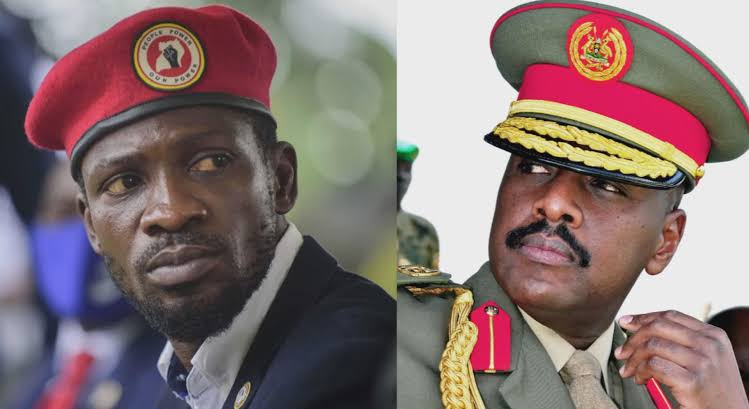
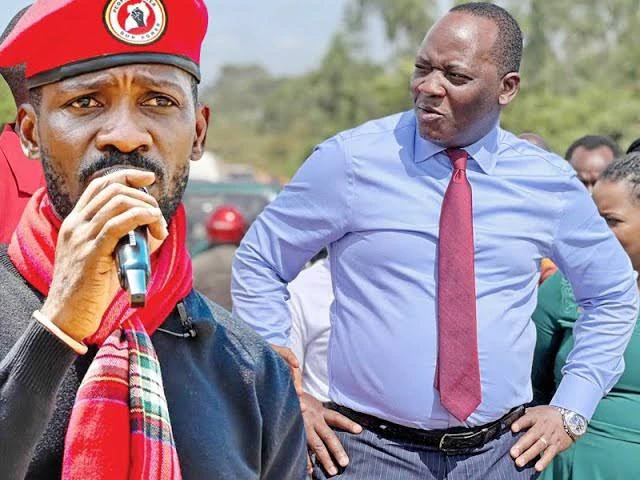
His removal came in 2023 when party president Robert Kyagulanyi, popularly known as Bobi Wine, appointed John Baptist Ssenyonyi to take over the position, a decision that generated significant debate among supporters and political observers.
While leadership changes are common in political organizations, Mpuuga suggested that the manner in which the transition occurred left him feeling sidelined and unappreciated. He believes there was little consideration given to his contributions and loyalty to the movement.
The veteran opposition figure maintained that he never expected special treatment, but he had hoped for recognition and respect from a party whose success he had actively helped shape over the years.
Mpuuga further noted that before the controversy surrounding his removal, he had held senior responsibilities within the party, including serving as Deputy President, a position that placed him among the most influential leaders in the organization.
Observers say the fallout between Mpuuga and the NUP leadership marked one of the most significant internal disagreements the party has faced since its rapid rise to prominence following the 2021 general elections.
The disagreement has continued to spark debate among supporters, with some defending the leadership’s decision as part of a broader strategy to strengthen the party, while others argue that experienced leaders like Mpuuga deserved greater consideration.
Political analysts believe the dispute reflects deeper questions about leadership succession, internal democracy, and power dynamics within Uganda’s opposition politics as parties prepare for future electoral contests.
Despite the tensions, Mpuuga insists that his commitment to serving Ugandans remains unchanged. He says his political mission extends beyond positions and titles, focusing instead on advancing democratic governance and accountability.

However, his latest remarks indicate that the emotional wounds from the fallout have not completely healed. The sense of disappointment remains evident whenever he reflects on the events that led to his removal.
Supporters sympathetic to Mpuuga argue that his contributions to the opposition movement are undeniable and that history will remember the role he played in helping build one of Uganda’s strongest opposition platforms.
Others within the party maintain that leadership decisions must sometimes be made for strategic reasons and should not be interpreted as personal attacks against individual members, regardless of their contributions.
The comments have reignited public discussion about unity within opposition ranks, with many Ugandans questioning whether the differences between Mpuuga and the NUP leadership can ever be fully resolved.
As Uganda’s political landscape continues to evolve, Mpuuga’s revelations serve as a reminder that political movements often face internal challenges even as they seek to present a united front to the public.
Whether the relationship between Mpuuga and the NUP leadership improves in the future remains uncertain, but his remarks have undoubtedly reopened one of the most talked-about chapters in Uganda’s recent opposition politics.