In a significant turn of events, Uganda’s Parliament has rejected a proposal from the Ministry of Energy and Mineral Development to allocate an additional 300 billion Shillings for rural electrification in the 2026/27 financial year. This decision has ignited a heated debate surrounding the effectiveness of the country’s electrification initiatives, especially in rural areas where access to electricity remains limited.
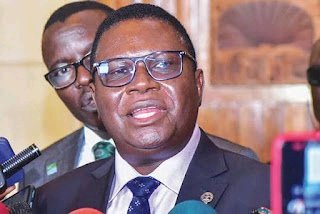
Herbert Ariko, the Member of Parliament for Soroti East, presented the report from the Committee on Natural Resources, urging the government to revisit the restructuring of the Rural Electrification Agency (REA). According to Ariko, the current arrangement under the Ministry of Energy has hampered the delivery of key projects.
He recommended that the government allocate an extra 300 billion Shillings to clear outstanding rural electrification obligations and ensure that projects are delivered more efficiently.
However, many legislators believe that simply increasing the funding will not resolve the deep-rooted issues in Uganda’s rural electrification efforts.
The core of the problem, they argue, lies not in a lack of financial resources but in systemic inefficiencies and non-performance. Ariko emphasized this point, stating that the issue was more about poor execution than the availability of funds.
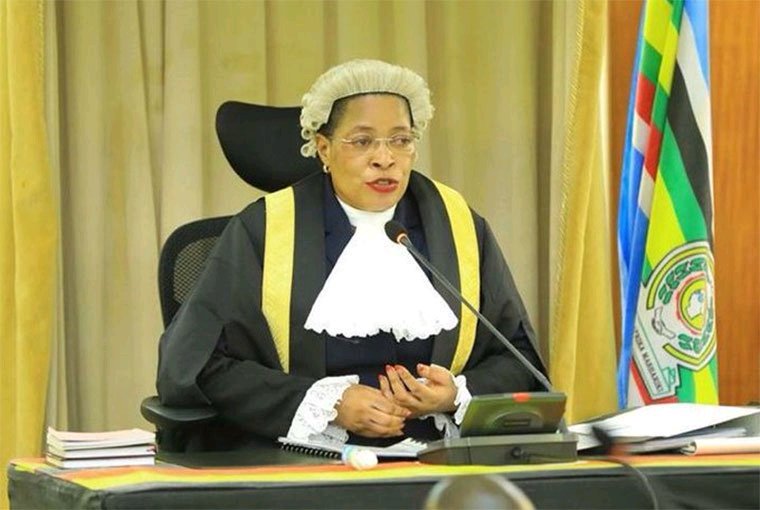
A significant point of contention was the government’s decision to merge the REA with the Ministry of Energy as part of a larger public sector rationalization plan. The Speaker of Parliament, Anita Among, voiced strong criticism of this move, arguing that REA, which had previously been effective in mobilizing donor funds for electrification projects, was being dismantled unjustly.
She suggested that instead of disbanding the institution, the government should have focused on improving its management.
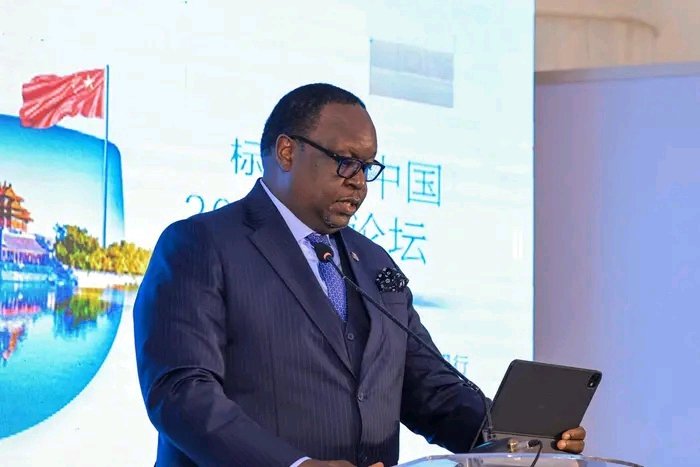
Minister of State for Energy Sidronius Okaasai, however, defended the Ministry’s approach, citing insufficient funding and the reliance on external financing as the main causes of the slow progress in rural electrification. He pointed out that a full electrification of the country would require an estimated four trillion dollars, an overwhelming amount that underscores the scale of the challenge at hand.
Uganda’s rural electrification efforts are heavily dependent on donor support, with over half of the funding coming from external sources. This reliance has made the country vulnerable to fluctuating donor priorities and conditions that can slow down project timelines. Okaasai’s remarks underscored this challenge, noting that the country’s energy sector continues to be shaped by external influences rather than solely by national priorities.
Growing impatience among communities has added pressure on lawmakers. MPs have reported increasing frustration from constituents who face long delays in electrification projects, with some even threatening to vandalize idle infrastructure. Annet Katusiime, the Bushenyi Woman MP, shared concerns about the potential financial losses if people start damaging electric poles due to the lack of access to power. This sentiment was echoed by Terego Woman MP Rose Obigah, who highlighted the situation in refugee-hosting districts where stalled projects have left communities in despair.
While Uganda has made notable strides in improving its national electrification rates, with estimates showing an increase from 20% in 2014 to 45-50% in 2024, rural areas remain severely underserved. In some regions, electrification access remains as low as 20%, exacerbating the sense of injustice and frustration among rural communities. The ongoing debate in Parliament reflects a growing awareness that more than just funding is needed to address the deep-seated issues hindering rural electrification in Uganda.