The National Unity Platform (NUP) has unveiled its new shadow cabinet, a move that positions the opposition to more closely scrutinize government policies while presenting alternative ideas on governance, service delivery, and national development. The announcement marks a significant step in strengthening the opposition’s role in Uganda’s political landscape.
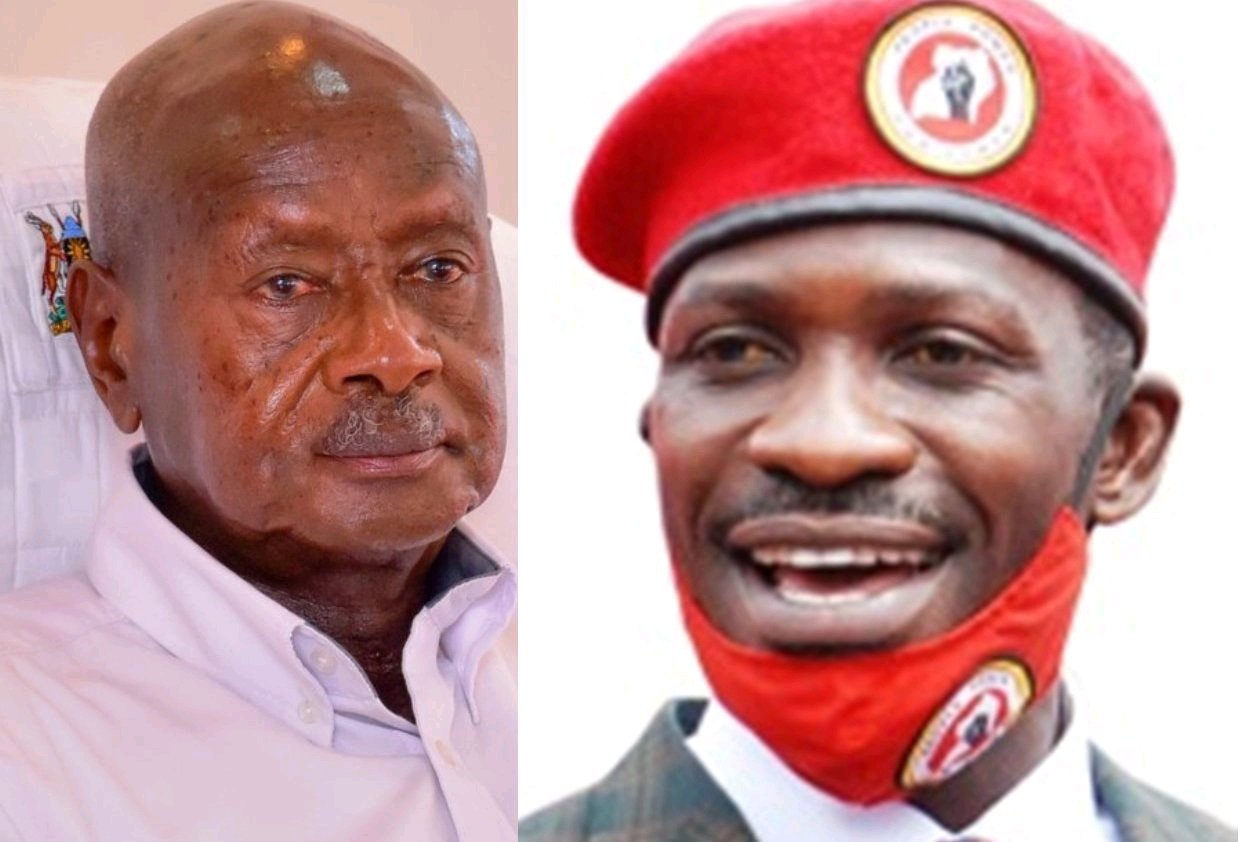
Led by opposition leader Robert Kyagulanyi, popularly known as Bobi Wine, the shadow cabinet mirrors key government ministries and is tasked with monitoring the performance of President Yoweri Museveni’s administration. The appointments create a parallel structure designed to challenge government decisions and offer competing policy perspectives.
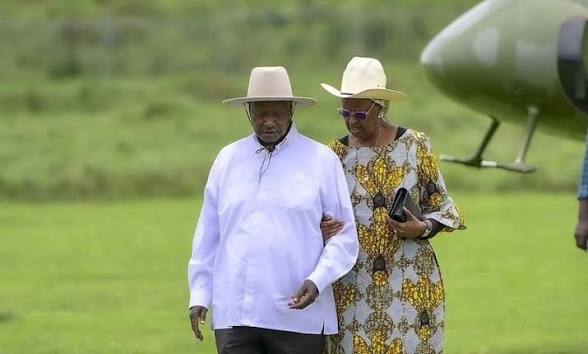
In the presidency portfolio, NUP appointed Hon. Nakwede Harriet to oversee issues related to executive accountability and governance, while the government continues to rely on Milly Babalanda in coordinating State House affairs. The arrangement reflects the contrasting approaches of the ruling party and the opposition in managing public oversight.
Several strategic ministries have also received shadow appointments. Sewungu Gonzaga takes responsibility for Defence and Veteran Affairs, while Sheila Amaniyo assumes the Information and Anti-Corruption docket. Their roles will focus on examining government actions in security, transparency, and public accountability.
Economic sectors feature prominently in the new lineup. Ssebina Gyaviira has been assigned the Finance portfolio, while Kasule Ismail will monitor Trade and Industry. In Agriculture, Kuteesa Patrick and Tebandeke Charles will oversee issues affecting crop and livestock production, sectors considered vital to Uganda’s economy.
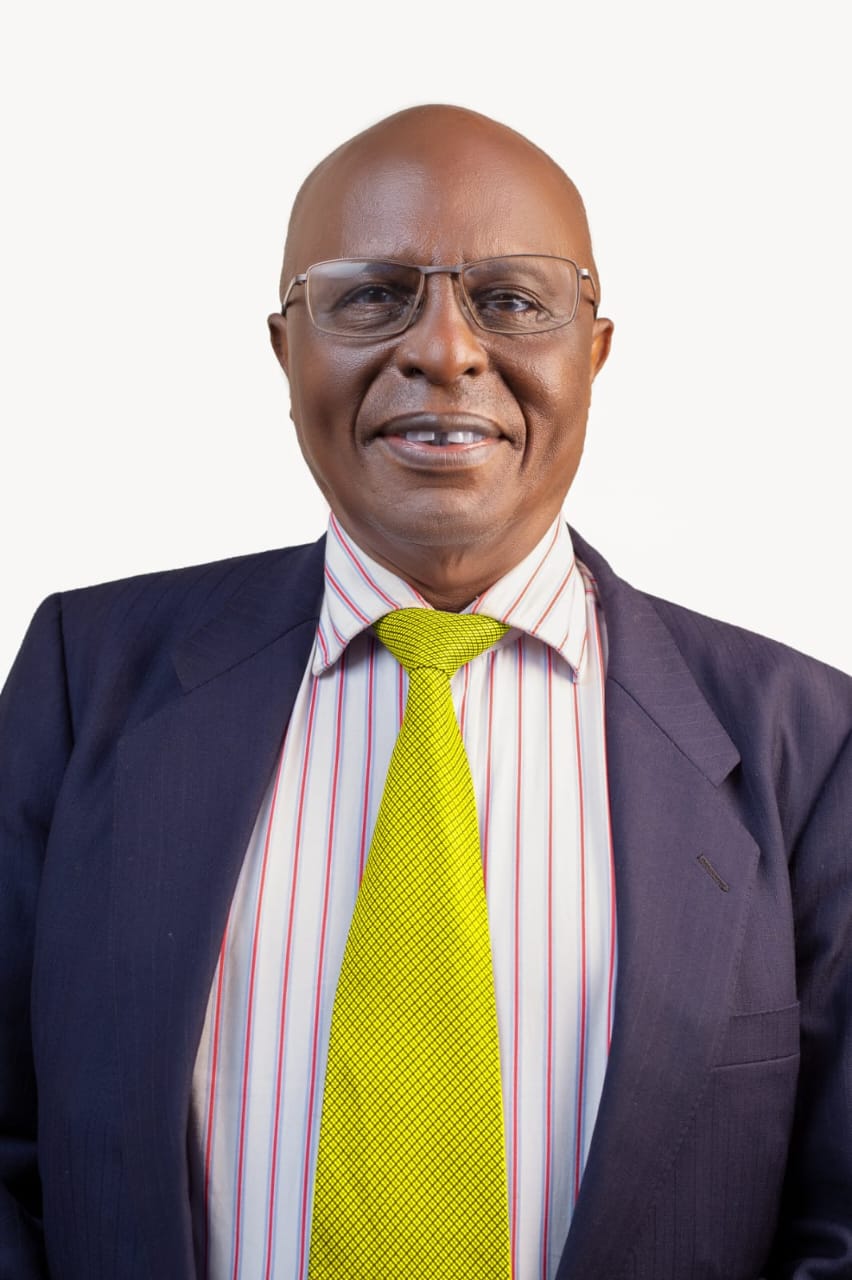
The shadow cabinet also includes appointments in education, health, energy, foreign affairs, and local government. Kaluya Andrew Kiiza will focus on education matters, Dr. Timothy Lusala Batuwa on health, Lukanga Moses Musanje on energy and minerals, and Alobo Joan Acom on foreign affairs, among other key assignments.
Political observers view the development as an attempt by NUP to demonstrate readiness for governance by assigning specific leaders to follow government performance across all major sectors. The structure provides a platform for policy debate while enabling the opposition to articulate alternative solutions to national challenges.
With both the government cabinet and the opposition shadow cabinet now fully constituted, Uganda’s political arena is set for intensified engagement on issues of governance, economic management, service delivery, and accountability. The effectiveness of the shadow team will likely be measured by its ability to provide constructive criticism, influence public debate, and present credible alternatives to government policy.