Charles Peter Mayiga has issued a strong appeal to leaders across the Buganda Kingdom, urging them to actively reconnect with the Kabaka’s subjects wherever they are and inspire renewed participation in development efforts. His message, delivered through Amisi Kakomo at a gathering in Bulange, emphasized that grassroots engagement remains the backbone of meaningful transformation.
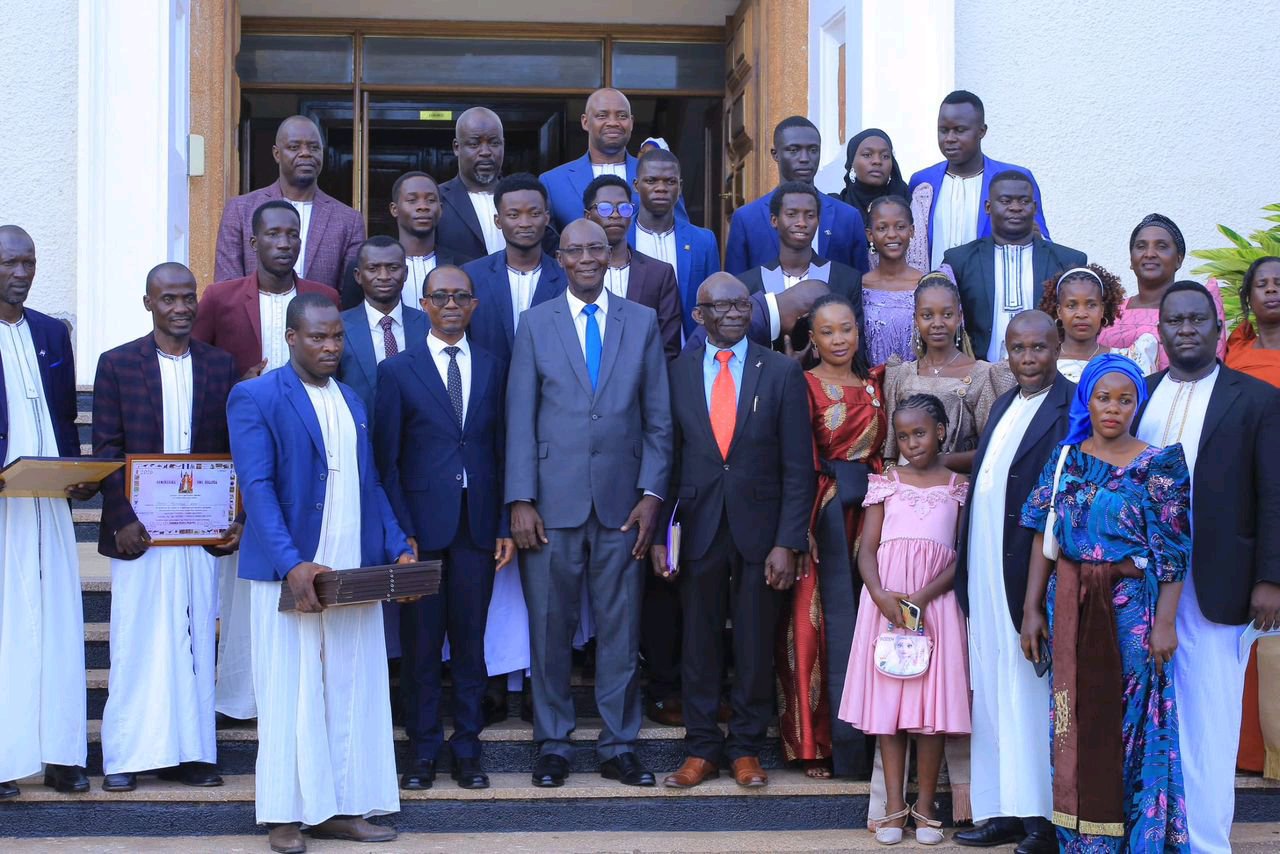
The meeting drew representatives from several counties, including Ntenjeru, Ssekanyonyi, Muwanga, Lwemiyaga, and Bukulula, alongside delegates from border areas such as Busia, Tororo, and Malaba. The diversity of attendees reflected the kingdom’s wide reach and the shared commitment among its people to stay connected to its programs and leadership.
Speaking on behalf of the Katikkiro, Kakomo applauded citizens for their strong involvement in the Kabaka’s 71st birthday celebrations and other initiatives, particularly fundraising drives. He made it clear that such participation is not symbolic—it directly fuels the kingdom’s ability to implement development programs and improve livelihoods.
He challenged chiefs to go beyond administrative roles and actively visit communities, saying personal outreach builds trust and encourages people to embrace kingdom directives. He pointed to the Kabaka’s own example of visiting subjects as a model of leadership rooted in proximity and understanding of people’s real conditions.
Agriculture emerged as a central theme, with Kakomo urging households to prioritize coffee growing alongside food production to ensure both income and food security. He stressed that self-reliance begins at the household level and that sustained agricultural activity can uplift entire communities if properly supported and coordinated.
Beyond farming, citizens were encouraged to raise standards in six priority areas identified by the kingdom: agriculture, trade, health, education, family welfare, and cultural preservation. Kakomo framed these sectors as pillars necessary to restore Buganda’s historical strength and relevance in modern times.
Meanwhile, Joseph Kawuki praised the public’s enthusiasm during the Kabaka’s birthday run and urged continued attendance at royal forums such as the Embuga. He also called on parents to use school holidays to guide their children, emphasizing the importance of discipline, education, and cultural grounding in shaping responsible future citizens.
Concerns were also raised by various leaders, including Yusuf Kiruluuta Nkerettanyi, who warned about the decline of indigenous languages and traditions. Others highlighted pressing challenges such as land evictions, limited market access, and the struggles of citizens living outside Buganda to access land for farming. Despite these issues, the meeting ended on a note of determination, with over Shs 40 million raised—proof that collective effort and unity remain powerful forces in driving Buganda’s socio-economic progress.