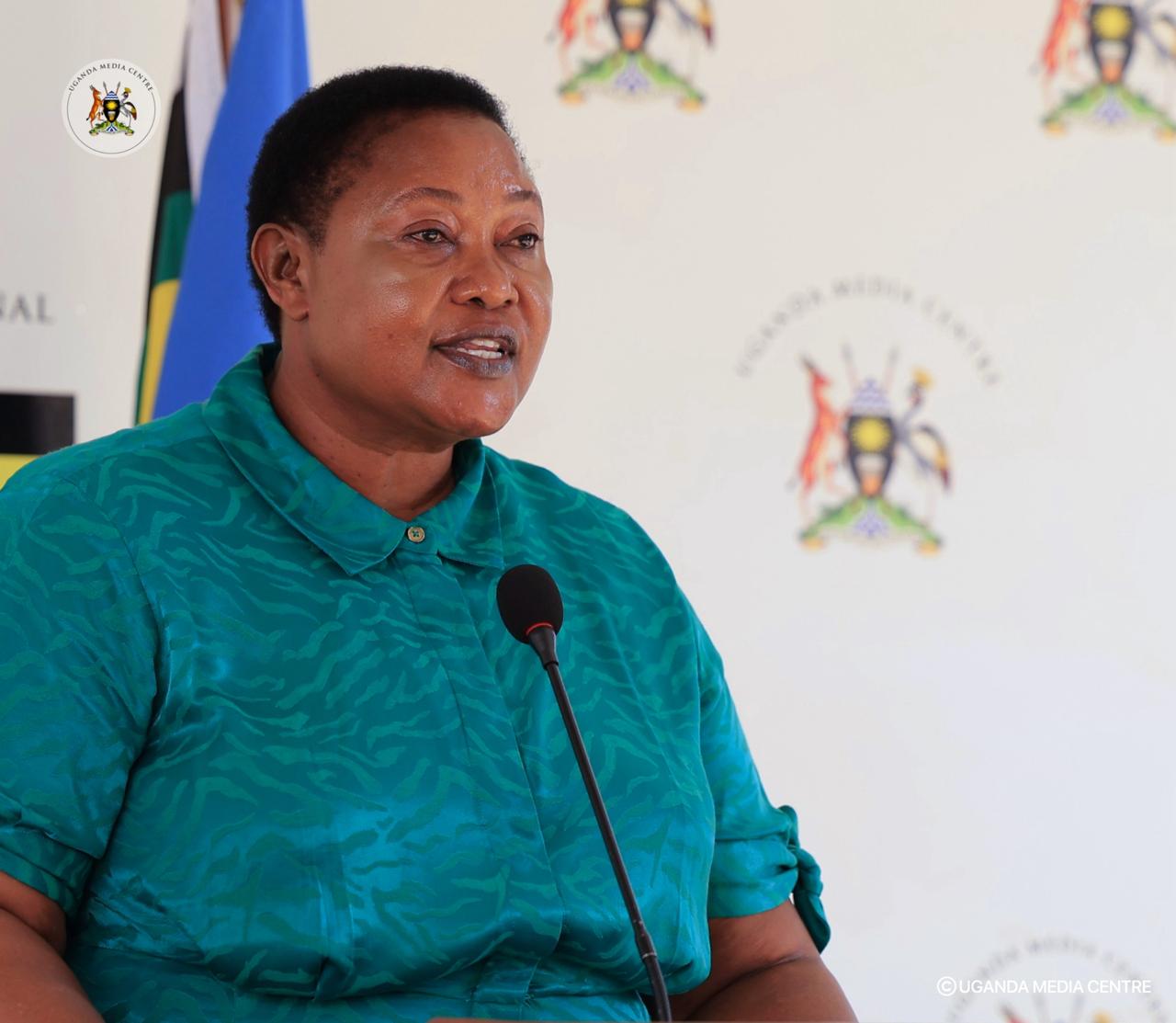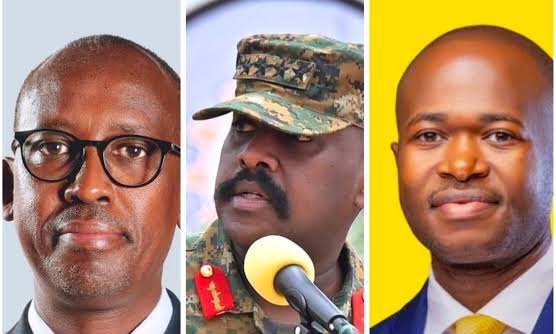
Daudi Kabanda has launched a fresh and strongly worded attack against businessman and presidential advisor Odrek Rwabwogo, accusing him of working against the interests of the Patriotic League of Uganda (PLU) and questioning his recent actions involving veteran journalist Timothy Kalyegira.
The Kasambya County Member of Parliament, who also heads the office of the PLU chairman, made the remarks while responding to ongoing discussions surrounding Rwabwogo’s visit to Kalyegira during his detention at Luzira Prison. The comments have since generated significant debate among political observers and supporters on social media.
Kabanda expressed surprise over Rwabwogo’s involvement in matters concerning Kalyegira and suggested that there was more to the situation than what had been publicly disclosed. His remarks reflected growing frustration with individuals he believes are operating behind the scenes to influence political narratives.
In one of his strongest statements yet, Kabanda claimed that he had received information indicating that Rwabwogo had approached President Yoweri Museveni with the intention of having legal action taken against him. He dismissed the possibility of such a move intimidating him.
“I hear Rwabwogo even went to Mzee asking to take me to court. Let him go ahead. We now know his clique and how they operate. We shall handle them decisively,” Kabanda reportedly said.
The comments immediately attracted widespread attention because of the high-profile nature of the individuals involved. Rwabwogo is not only a prominent businessman and public policy advocate but is also married to one of President Museveni’s daughters, placing him among the country’s most closely watched public figures.

Kabanda’s remarks have added a new dimension to discussions surrounding internal disagreements among influential individuals associated with political and governance circles. Many observers have interpreted the statements as evidence of growing tensions between competing camps.
The controversy comes at a time when political conversations regarding influence, succession, and power dynamics continue to dominate discussions within various political organizations and among sections of the public.
Supporters of Kabanda have argued that he is simply raising questions that deserve answers, particularly regarding the circumstances surrounding Kalyegira’s detention and subsequent interactions with influential figures.
Others, however, have cautioned against reading too much into the dispute, arguing that public disagreements among prominent personalities are common and do not necessarily indicate deeper divisions.
Rwabwogo has not publicly responded in detail to Kabanda’s latest remarks. However, his visit to Kalyegira had already attracted public attention and sparked debate across different political platforms.
Political analysts note that when influential figures exchange accusations publicly, the resulting discussions often extend far beyond the original issue and become part of broader debates about leadership, influence, and political strategy.
The latest confrontation has also revived public interest in Timothy Kalyegira, whose writings and commentary have frequently generated discussion on political and governance matters over the years.
As reactions continued to emerge online, supporters from different camps engaged in heated debates, with some defending Rwabwogo’s actions while others sided with Kabanda’s concerns.

Several commentators have observed that the dispute reflects the increasingly public nature of political disagreements in the age of social media, where statements can quickly reach thousands of people and shape public perceptions.
The disagreement has also fueled speculation about the relationships between various influential personalities linked to government, political organizations, and policy circles. However, many of the claims circulating online remain unverified.
Observers say the significance of the dispute lies not only in the individuals involved but also in what it reveals about the evolving political conversations taking place behind the scenes.
Despite the sharp language used by Kabanda, there has been no indication of any formal legal proceedings arising from the matter. Nevertheless, his remarks have ensured that the issue remains firmly in the public spotlight.
The exchange is expected to continue attracting attention as supporters and critics alike analyze its political implications and what it could mean for future relationships among influential figures.
For now, Kabanda’s comments have added another layer to an already complex political debate, with many Ugandans closely watching to see whether the disagreement fades away or develops into a larger political confrontation in the weeks ahead.