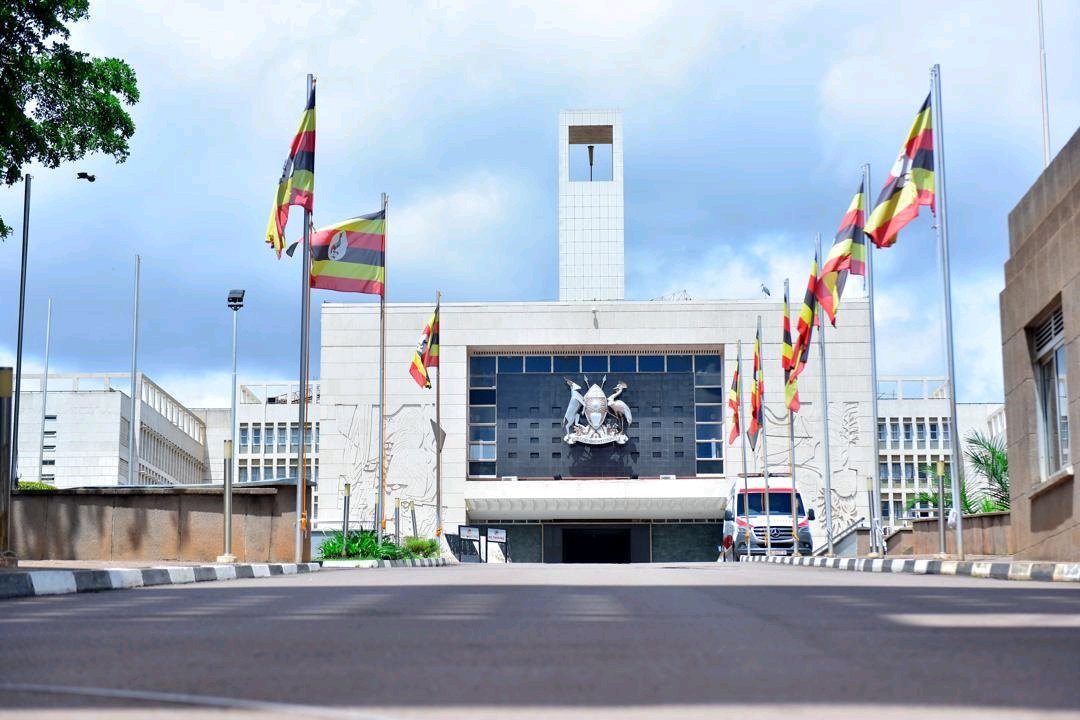
Uganda’s 11th Parliament is officially set to come to an end on May 24, bringing down the curtain on five years of legislative work, political debate, and national decision-making. The dissolution marks the close of one parliamentary chapter and opens the door for the incoming 12th Parliament that will emerge after the 2026 General Elections. The transition is expected to be conducted under the clear guidance of the Constitution, with parliamentary officials assuring the public that everything is moving smoothly.
As the final days of the current Parliament approach, attention has shifted toward preparations for the next House. Although some Ugandans have questioned why Parliament has not formally concluded all its business, officials insist that the institution remains fully operational until the very last day of its constitutional mandate. According to parliamentary authorities, the current stage is considered a transition period aimed at ensuring an orderly handover of responsibilities.
Parliament’s administration explained that the Speaker will formally issue the instrument dissolving the 11th Parliament on May 24. This action will legally end the life of the current House and clear the path for the swearing-in process of newly elected Members of Parliament. Until that moment, lawmakers still retain the authority to sit and handle urgent national matters if necessary.
The constitutional provisions guiding the process are clear and direct. Uganda’s Constitution states that Parliament serves for five years from the date of its first sitting following a general election. Once that period expires, Parliament automatically stands dissolved by law. This framework is designed to guarantee continuity in governance while ensuring regular democratic transitions from one Parliament to another.
Officials also noted that parliamentary transitions are not unusual and have happened in the same manner during previous terms. In many cases, most major legislative business is completed earlier to allow MPs to focus on election activities, consultations with voters, and preparations for the next political cycle. This has become part of Uganda’s broader democratic practice over the years.
Attention is now turning toward the formation of the 12th Parliament, which will take shape shortly after the expiration of the current term.
Under constitutional requirements, the President must summon the first sitting of the new Parliament within seven days after the previous House expires. That first sitting will be one of the most important moments in the country’s political calendar because it will officially launch a new legislative term.
During the opening sitting of the new Parliament, lawmakers will first elect the Speaker and Deputy Speaker before any other parliamentary business begins. The exercise will be overseen by the Chief Justice or a judge appointed by the Chief Justice, highlighting the importance of constitutional order and procedure during the transition process. Political observers expect the election of parliamentary leaders to attract major national interest and intense political competition.
As Uganda prepares for this important transition, the dissolution of the 11th Parliament symbolizes both an ending and a beginning. It closes a significant five-year period in the country’s legislative history while ushering in a fresh chapter that will shape national policies, debates, and governance for years to come. With the 2026 General Elections approaching, all eyes are now fixed on the leaders who will define the future of Uganda’s next Parliament.