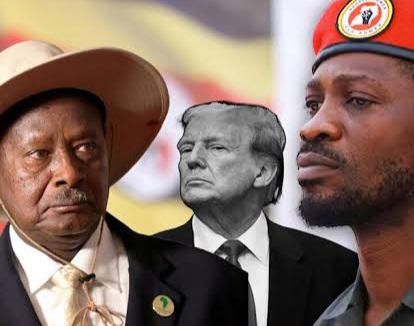
Reports circulating in Ugandan media have triggered widespread political discussion after claims emerged that United States President Donald Trump held a direct phone conversation with President Yoweri Museveni regarding Uganda’s possible participation in a proposed international stabilization mission in Gaza.
According to reports published by local media outlets, the conversation allegedly centered on plans for a multinational force that would help maintain peace and security in Gaza as reconstruction efforts continue following years of conflict in the Palestinian territory.
The reports claim that the proposed arrangement falls under a broader international framework aimed at supporting humanitarian operations, reconstruction projects, and the restoration of stability in areas heavily affected by war and destruction.
Gaza has experienced devastating humanitarian challenges over the past several years, with extensive damage to infrastructure, homes, schools, hospitals, and public facilities. International organizations have repeatedly called for long-term solutions that can support recovery and improve living conditions for civilians.
According to the reports, several countries are being considered for participation in the proposed International Stabilization Force, with Uganda reportedly among the nations expected to contribute troops if the mission eventually receives all required approvals.
The reports further claim that Uganda’s inclusion is largely based on the Uganda People’s Defence Forces’ long history of participating in peacekeeping and stabilization operations across Africa and beyond.

Over the years, Uganda has earned recognition for its involvement in regional security operations, particularly in Somalia, where Ugandan troops have played a significant role in African Union-led peace support missions.
Ugandan forces have also participated in various regional security initiatives in countries such as South Sudan, the Democratic Republic of Congo, and the Central African Republic, gaining extensive experience in counterterrorism and stabilization efforts.
Supporters of the government argue that Uganda’s participation in international missions has enhanced the country’s diplomatic standing and strengthened its reputation as a reliable security partner on the continent.
Some analysts believe that any future deployment to Gaza could further increase Uganda’s visibility on the international stage while deepening security cooperation with major global partners.
Others, however, caution that such involvement could expose Uganda to complex geopolitical challenges and place the country at the center of highly sensitive international debates surrounding the Middle East conflict.
The reports have also generated political discussion because of their potential implications for Uganda’s domestic political landscape, particularly in relation to opposition leader Robert Kyagulanyi, popularly known as Bobi Wine.
Some commentators have interpreted the reported engagement between Trump and Museveni as evidence that the Ugandan government continues to maintain strategic relationships with influential international partners despite criticism from opposition groups.
For years, opposition politicians have accused the government of human rights violations and have called on foreign governments to increase pressure on Kampala regarding governance and democratic reforms.

Government supporters argue that continued engagement with international partners demonstrates confidence in Uganda’s role as a regional security actor and strategic ally in matters of peace and stability.
Political observers note that foreign policy decisions are often driven by security interests and diplomatic considerations rather than domestic political rivalries within individual countries.
Meanwhile, discussions surrounding the reported phone call have dominated conversations on social media, with Ugandans expressing mixed opinions about the possibility of a future UPDF deployment to Gaza.
While some citizens view participation in international peace missions as a source of national pride, others have questioned whether Uganda should prioritize domestic challenges before committing resources to operations abroad.
Several analysts have also emphasized the importance of transparency should such a mission move forward, arguing that Parliament and relevant institutions would need to be fully briefed before any deployment is approved.
At the time of discussion, the claims surrounding the alleged Trump-Museveni phone call and the proposed Gaza mission continued to attract significant public attention, with many Ugandans awaiting official clarification and further details regarding the country’s possible role in any future international stabilization efforts.