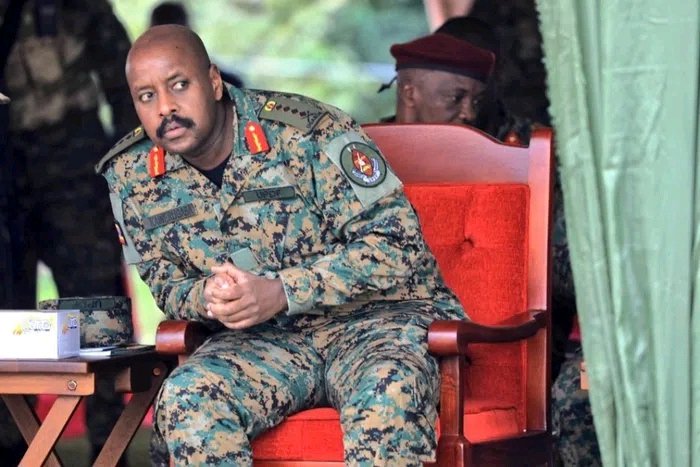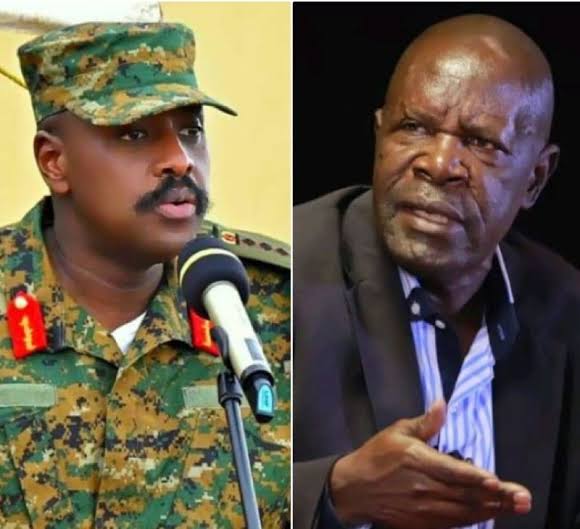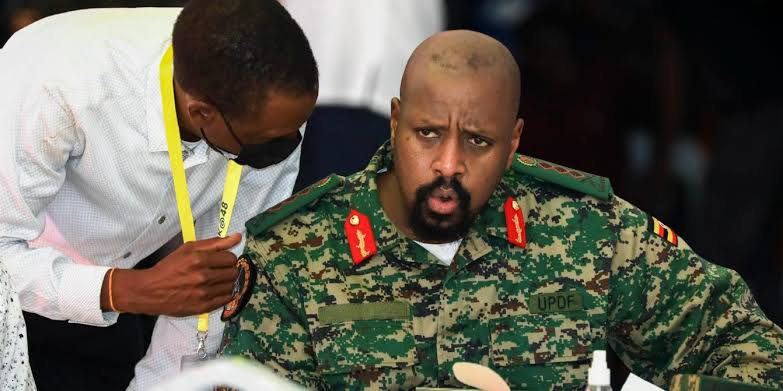
Muhoozi Kainerugaba has sparked fresh nationwide controversy after reportedly posting on his official social media account that he intends to shut down two of Uganda’s leading media houses, NTV Uganda and the Daily Monitor.
The remarks, shared on his verified X (formerly Twitter) account, quickly circulated online and triggered heated reactions from journalists, political commentators, and civil society actors.
In the post, Muhoozi allegedly stated that the two media outlets “have no hope of staying open” and suggested that their operations could be terminated in the near future.
The statement immediately drew attention due to the prominence of both NTV Uganda and the Daily Monitor in the country’s media landscape.
NTV Uganda, part of the Nation Media Group, is one of the most widely watched television stations in Uganda.
The Daily Monitor, also under the same media group, is one of the country’s most influential independent newspapers known for its critical reporting.

Both outlets have a long history of covering politics, governance, corruption allegations, and public accountability issues in Uganda.
Over the years, they have frequently been at the center of tensions involving government officials due to their investigative journalism.
The latest remarks attributed to Muhoozi have therefore reignited long-standing debates about press freedom in the country.
Media rights advocates have warned that any attempt to shut down or intimidate independent media houses would undermine constitutional freedoms.
They argue that journalism plays a crucial role in holding leaders accountable and informing the public.
Civil society organizations also expressed concern, saying such statements could create fear within the media industry.
Supporters of press freedom emphasized that media houses must be allowed to operate without political interference or threats.
However, some government supporters argue that media institutions should exercise responsibility and avoid publishing content perceived as hostile or unverified.
The controversy has also sparked discussion among legal experts, who note that any action against licensed media organizations must follow due legal and regulatory procedures.
They stress that media shutdowns cannot be carried out through personal statements or informal directives.

Political analysts say the incident reflects the increasingly tense relationship between powerful political actors and independent media institutions.
They also note that Uganda has experienced similar tensions in the past, including temporary closures of media houses during political disputes.
As the debate continues, journalists across the country have expressed concern about the implications of the reported statement.
Many argue that freedom of expression and press independence are essential pillars of democracy that must be protected.
At the time of publication, no formal government directive had been issued regarding the status of either NTV Uganda or the Daily Monitor.
The situation continues to generate widespread discussion online, highlighting the sensitive intersection between politics, power, and media freedom in Uganda.