Ugandans were left stunned after reports emerged that operations of several major media outlets, including NTV Uganda, Daily Monitor, KFM, Dembe FM and Spark TV, had been suspended, triggering widespread debate across the country about media freedom, regulation and the relationship between the press and state institutions.
The development quickly became one of the most discussed topics on social media, with citizens, journalists, politicians and civil society actors expressing concern about the implications of the move on Uganda’s media landscape.
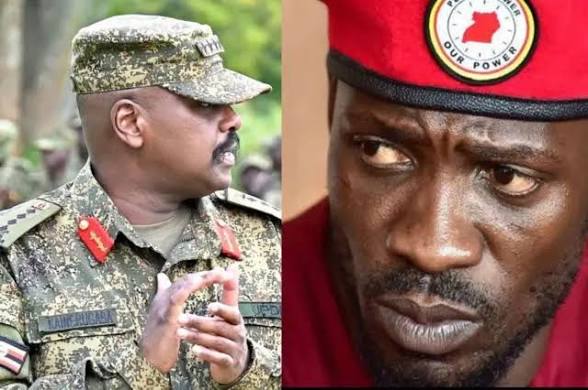
At the centre of the controversy was a statement attributed to Gen. Muhoozi Kainerugaba, who claimed that he had received authority from his father, President Yoweri Museveni, to take action against the affected media houses.
The remarks immediately sparked strong reactions online, with supporters praising the move while critics questioned the circumstances that led to the suspension of some of the country’s most influential media organisations.
For many Ugandans, the affected outlets have long served as major sources of news, current affairs programming and public debate, making the suspension particularly significant for audiences who rely on them for daily information.
Journalists working within the media industry also voiced concerns about the potential impact on newsroom operations, employment and the flow of information to the public during a period of heightened political activity.

The suspension affected multiple platforms operating under different media companies, creating uncertainty among viewers, listeners and readers who suddenly found their preferred sources of news unavailable.
As news of the development spread, several organisations called for clarification regarding the exact reasons behind the action and the legal processes that had been followed before implementation.
Political analysts observed that the situation could have far-reaching consequences for public discourse, especially given the prominent role the affected outlets play in covering national affairs and government activities.
Some commentators argued that any dispute involving media organisations should be handled through established legal and regulatory frameworks to ensure transparency and accountability.
Others maintained that media houses, like all institutions, are expected to operate within the boundaries of the law and must comply with regulatory requirements set by relevant authorities.
The controversy gained even more attention after screenshots and excerpts of statements linked to Gen. Muhoozi circulated widely across social media platforms, fueling public discussion and speculation.
Supporters of the suspension argued that authorities have a responsibility to ensure compliance with national regulations, while opponents warned that restrictions on major media outlets could undermine public access to information.
Across the country, journalists’ associations and media stakeholders began seeking official explanations from regulators and government agencies in an effort to understand the circumstances surrounding the action.

The incident also revived discussions about the role of independent media in a democratic society and the delicate balance between regulation, national interests and freedom of expression.
Observers noted that Uganda has experienced several high-profile disputes involving media organisations over the years, making the latest developments part of a broader conversation about media-government relations.
Meanwhile, many citizens expressed frustration over the interruption of broadcasts and publications, saying the suspension had deprived them of important news and programming they follow regularly.
Questions continued to mount regarding when normal operations would resume and what steps the affected media houses would need to take in order to return to full service.
As pressure for answers increased, attention turned to government officials, regulatory authorities and the management of the affected organisations for definitive statements on the way forward.
While the full implications of the suspension remain unclear, the incident has undoubtedly become one of the most significant media stories in Uganda, generating intense national debate and placing the future relationship between the state and the media under renewed scrutiny.