Uganda has reached a major moment in its fight against Ebola after the last patient receiving treatment at Mulago National Referral Hospital was discharged from the isolation unit, bringing hope and relief to millions of Ugandans who have followed the outbreak with concern.
The discharge of the final Ebola patient marks a significant achievement for the country’s health system and begins the official countdown period required before Uganda can be declared free from the outbreak.
The recovery of the patient comes after months of intensive medical care, contact tracing, surveillance, and public health measures aimed at stopping the spread of the deadly virus.
According to Uganda Media Centre Executive Director Allan Kasujja, the patient’s recovery represents a major victory in the country’s efforts to control the disease and protect communities.
“Tomorrow morning, the last Ebola patient will be discharged from the isolation unit at Mulago Hospital. When that happens, Uganda starts counting down. If 42 days pass without a single new case, WHO guidelines stipulate that we will be declared Ebola free,” Kasujja said.
The announcement has brought happiness among healthcare workers, government officials, and citizens who have been hoping for an end to the Ebola outbreak.

The next stage involves a 42-day monitoring period, which is a requirement by the World Health Organization before a country can officially announce that an Ebola outbreak has ended.
The 42 days represent two full incubation periods of the Ebola virus, giving health authorities enough time to confirm that there are no hidden chains of transmission within communities.
During this period, health workers will continue monitoring people who may have come into contact with infected individuals, investigating suspected cases, and conducting tests whenever necessary.
Although the final patient has been discharged, health authorities have warned Ugandans not to relax their vigilance because continued cooperation is important until the countdown is completed.
Uganda’s response to Ebola has once again highlighted the strength of its public health system, which has gained experience from handling several outbreaks over the years.
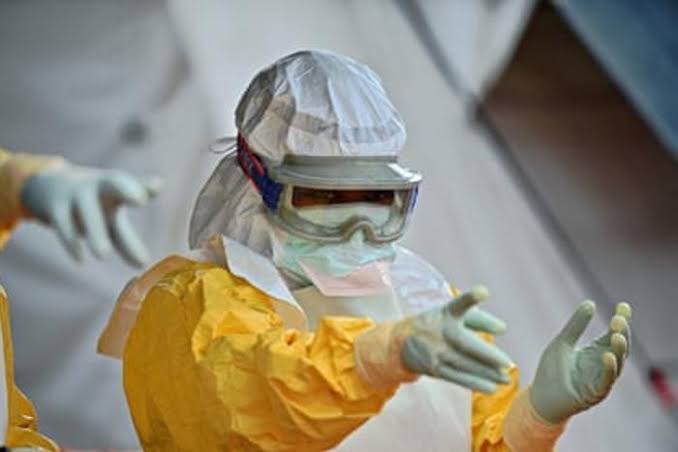
Medical teams at Mulago Hospital worked tirelessly to provide treatment while maintaining strict infection prevention measures to protect themselves and prevent further spread of the virus.
The Ministry of Health, together with district health teams, laboratory experts, and international partners, played a key role in identifying cases, tracing contacts, and responding quickly to possible infections.
Health officials believe that the coordinated response helped prevent a much larger crisis by ensuring that infected people were quickly isolated and treated.
Uganda has faced Ebola outbreaks before, and every experience has helped the country improve its preparedness and response systems.
Previous outbreaks helped strengthen laboratory facilities, train specialized health workers, improve emergency response teams, and increase public awareness about disease prevention.

The country’s experience has also made Uganda one of the leading nations in Africa when it comes to detecting and responding to dangerous infectious diseases.
Community involvement has been one of the biggest reasons behind Uganda’s success in controlling Ebola, with local leaders, village health teams, and citizens supporting prevention efforts.
Health experts have continued encouraging people to report symptoms such as sudden fever, weakness, vomiting, diarrhoea, or unexplained bleeding so that suspected cases can be handled quickly.
The discharge of the last Ebola patient has given hope to families affected by the outbreak and healthcare workers who risked their lives while caring for patients.
If Uganda completes the 42-day countdown without recording any new infections, the country will officially celebrate another victory against Ebola and demonstrate its ability to overcome major health challenges.
The achievement serves as a reminder that cooperation between citizens, healthcare workers, and government institutions remains essential in protecting the country from future disease outbreaks.