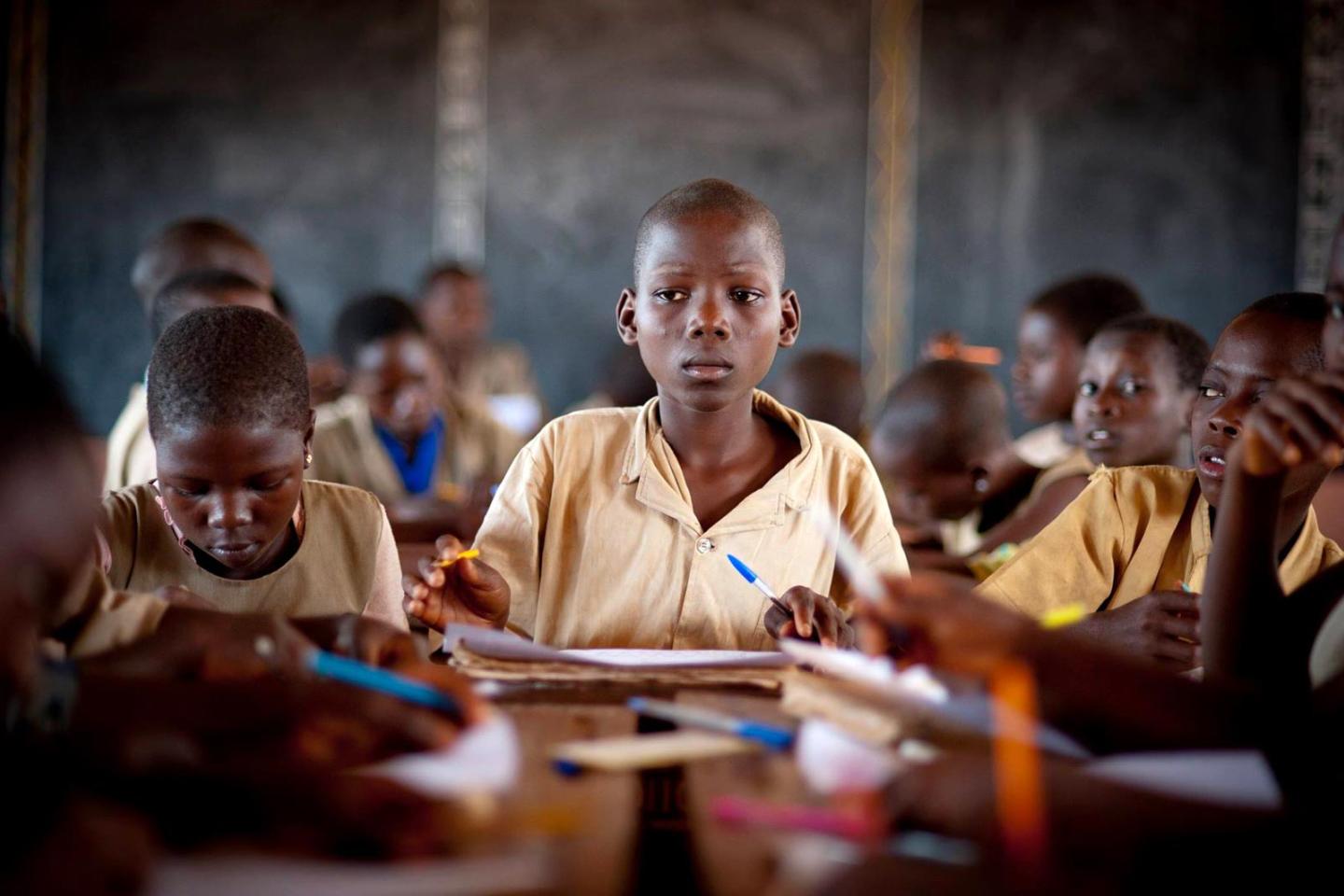
Educational inequality remains one of the biggest challenges facing societies worldwide. While some students have access to quality schools, experienced teachers, and modern learning resources, others struggle in underfunded institutions with limited materials and overcrowded classrooms. These disparities often reflect broader social and economic inequalities, leaving disadvantaged students at a significant disadvantage from an early age.
One major cause of educational inequality is socioeconomic status. Children from low-income families often face barriers such as lack of school fees, inadequate nutrition, or the need to work to support their households, which limits their ability to focus on studies. Geographic location also plays a role: students in rural or remote areas may attend schools with poor infrastructure, fewer qualified teachers, and limited access to technology. Gender inequality, disabilities, and cultural biases further compound the problem, restricting opportunities for many learners.
Addressing educational inequality requires a multi-faceted approach. Governments and policymakers must prioritize funding for schools in disadvantaged areas, provide scholarships, and ensure equal access to qualified teachers and learning materials. Technology can also help bridge the gap, as online courses and digital resources allow students from marginalized communities to access quality education. Additionally, community involvement, mentorship programs, and targeted interventions can support students who are at risk of falling behind.
Promoting equal education is not just a moral obligation—it benefits society as a whole. When all students, regardless of background, have access to quality education, communities thrive, economies grow, and social disparities shrink. Tackling educational inequality ensures that every child has the chance to reach their full potential and contribute meaningfully to society.