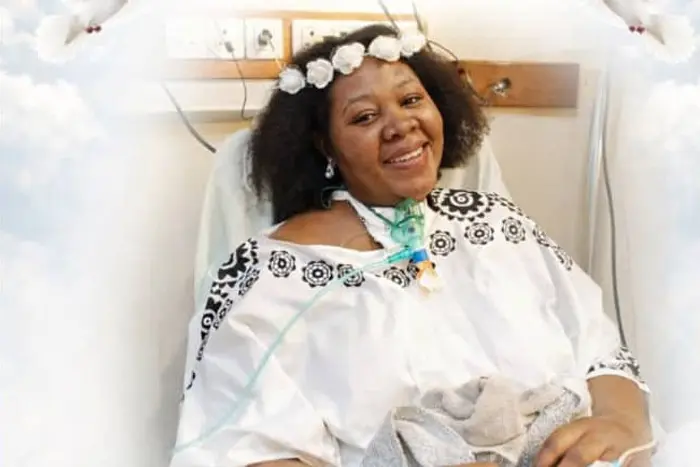
Residents of Mbarara and many Ugandans across the country are mourning the death of Claire Kirabo, a woman whose remarkable fight for survival inspired thousands after she spent six years in the Intensive Care Unit (ICU) at Mbarara Regional Referral Hospital.
Kirabo passed away on July 12, 2026, bringing to an end a medical journey that many health workers described as one of the most extraordinary cases they had ever witnessed. Her death has sparked an outpouring of tributes from friends, family members, and members of the public who followed her story over the years.
According to Mbarara Regional Referral Hospital, Kirabo was the longest-staying ICU patient in the facility’s history. Hospital officials praised her courage and determination throughout the difficult years she spent under intensive medical care.
The hospital announced her passing through a statement that highlighted the dedication of the multidisciplinary team that cared for her around the clock. Medical workers said her story demonstrated both the resilience of the human spirit and the commitment of healthcare professionals.
Kirabo’s ordeal began on August 18, 2020, during the height of the COVID-19 pandemic. At the time, she was a young woman working as a secretary in the office of the Resident District Commissioner in Lwengo District.
Family members say her condition began suddenly when she was found unconscious by her house helper. The shocking discovery prompted an emergency rush to Masaka Regional Referral Hospital as relatives desperately searched for answers.

Doctors initially suspected that she had suffered a stroke. However, challenges at the facility reportedly forced her transfer to Mbarara Regional Referral Hospital, where specialists carried out further examinations.
Medical investigations later revealed that Kirabo had suffered a rare stroke at the base of her skull. The condition disrupted blood flow to the brainstem, one of the most critical parts of the body responsible for controlling essential functions such as breathing.
The stroke left her unable to breathe independently. Doctors were forced to place a breathing tube into her trachea and connect her to a ventilator, a machine that would support her breathing for years.
Medical experts involved in her treatment later revealed that her heart stopped several times during the early stages of her illness. The repeated emergencies left doctors battling to keep her alive as they searched for the exact cause of her condition.
Despite the frightening setbacks, Kirabo gradually began showing signs of improvement. What many initially feared would be a short battle slowly transformed into a long and remarkable survival story.
One of the most inspiring developments came when she regained consciousness. Although she remained unable to speak normally, she became aware of her surroundings and could interact with caregivers and loved ones.
With support from medical staff and therapists, Kirabo learned to communicate using specialized technology. A computer donated by an American physiotherapist enabled her to express herself by tracking letters with her eyes.
Through this system, she could inform nurses when she was hungry, uncomfortable, or needed assistance. The breakthrough offered renewed hope to her family and became a powerful symbol of her determination to keep fighting.
Healthcare workers also observed gradual physical improvements. Nurses reported that she regained sensation in certain parts of her body, encouraging both relatives and members of the medical team.

While her survival inspired many, it also came with enormous financial challenges. Her family struggled to meet the costs associated with long-term intensive care and specialized medical treatment.
Relatives previously disclosed that they were spending tens of thousands of shillings every night to support her ICU care. Monthly expenses reportedly ran into millions of shillings, placing a heavy burden on the family.
In addition to medical bills, Kirabo required a special feeding program and regular tests. These ongoing costs added to the family’s difficulties, but her loved ones remained committed to supporting her throughout the years.
Hospital staff frequently described her case as unique because most ICU patients remain in intensive care for only a few weeks or months. Her six-year stay became an extraordinary exception that attracted attention both within and outside Uganda.
As news of her death spreads, many people are remembering Claire Kirabo not only for the length of time she spent in intensive care but also for the courage she displayed throughout her battle.
Her story remains a powerful reminder of resilience, hope, and the dedication of families and healthcare workers who refuse to give up even in the most difficult circumstances. May her soul rest in eternal peace.