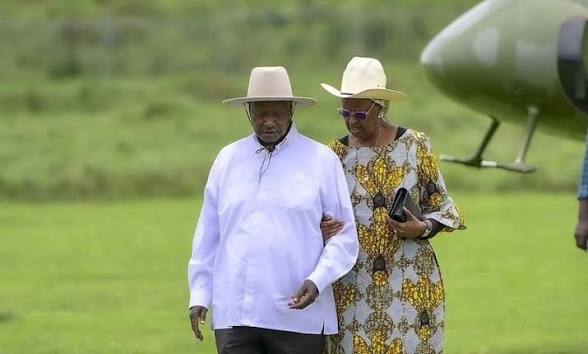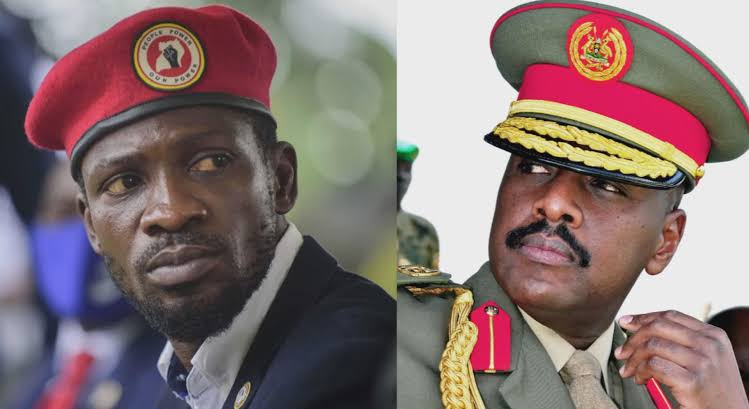
President Yoweri Kaguta Museveni has strongly defended recent actions taken by Uganda’s security agencies and his son, Muhoozi Kainerugaba, dismissing criticism from opponents who have compared the Chief of Defence Forces to former Ugandan ruler Idi Amin.
Speaking during a nationally televised address, Museveni argued that many of the accusations being directed at security agencies are unfair and fail to consider the challenges the country faces in maintaining law and order. He insisted that the government remains committed to protecting democracy while ensuring national stability.
The President accused certain opposition groups of promoting confrontational politics and encouraging actions that threaten public peace. According to him, security agencies have often been forced to intervene because of activities that could potentially lead to violence and instability.
Museveni referred to the 2020 unrest that followed the arrest of opposition figures, saying several incidents during that period demonstrated what he described as dangerous political extremism. He cited attacks on supporters of the ruling National Resistance Movement (NRM) and incidents involving law enforcement officers.
According to the President, some political actors have consistently used inflammatory language that encourages confrontation instead of peaceful democratic engagement. He argued that such behavior places unnecessary pressure on security agencies tasked with maintaining order.
The President specifically defended Gen. Muhoozi Kainerugaba, saying critics have unfairly targeted him for expressing views on matters concerning national security and governance. Museveni stated that his son’s comments should be viewed within the context of preserving discipline and protecting national interests.

Museveni said people should stop portraying Muhoozi as a threat to democracy simply because he speaks strongly on issues affecting the country. He argued that leadership sometimes requires firm positions, especially when dealing with matters that could undermine stability.
The President also backed Muhoozi’s recent comments regarding the media, particularly his view that responsible journalism should contribute to national development rather than fueling division and misinformation. Museveni suggested that media freedom should go hand in hand with accountability.
Drawing comparisons with countries such as the United Arab Emirates, Museveni argued that many Ugandans admire orderly societies abroad but often resist similar standards when discussions arise at home. He questioned why some people celebrate discipline elsewhere while criticizing efforts to promote it in Uganda.
His remarks come amid ongoing controversy surrounding the temporary shutdown of operations belonging to Nation Media Group Uganda. The closure affected several platforms, including newspapers, television stations, and radio outlets, triggering debate about media freedom in the country.
Government officials have maintained that the actions taken against the media house were linked to ongoing security investigations. Authorities insist that the matter is being handled through established legal and administrative procedures.
Museveni rejected claims that Uganda is returning to the dark days associated with past authoritarian regimes. He strongly criticized the slogan “Bizeemu,” which some government critics use to suggest that past abuses are re-emerging under the current administration.
According to the President, comparisons between the current government and previous regimes are inaccurate and misleading. He argued that Uganda today has functioning courts, legal institutions, and constitutional safeguards that did not exist during some of the country’s most turbulent periods.
To illustrate his point, Museveni noted that opposition leaders continue to appear in court, challenge government decisions, and publicly criticize state institutions. He said these realities demonstrate the existence of democratic space rather than dictatorship.
The President also commented on ongoing legal cases involving opposition figures. He emphasized that decisions regarding bail and detention should be guided by legal considerations, particularly concerns about witness interference and the integrity of investigations.

Museveni maintained that the work being done by security agencies should not be interpreted as a rollback of freedoms. Instead, he described recent actions as part of a broader effort to safeguard Uganda’s democratic gains and protect citizens from instability.
However, opposition politicians, civil society organizations, journalists, and human rights activists continue to express concern about the direction of recent developments. Many argue that increased security operations and restrictions on media activities could negatively affect civic freedoms.
Critics have also raised concerns about the detention of opposition supporters and the treatment of political activists. They argue that democratic societies should protect freedom of expression and ensure equal treatment for all citizens regardless of political affiliation.
As the country moves closer to the next general election, debates surrounding security, media freedom, and political competition are expected to intensify. Both government supporters and critics continue to present sharply different interpretations of recent events.
For now, Museveni remains firm in his defense of Gen. Muhoozi and the security establishment.
The President insists that the measures being implemented are aimed at preserving peace, protecting democracy, and preventing actions that could threaten Uganda’s stability, while opponents continue to call for greater protection of civil liberties and political freedoms.