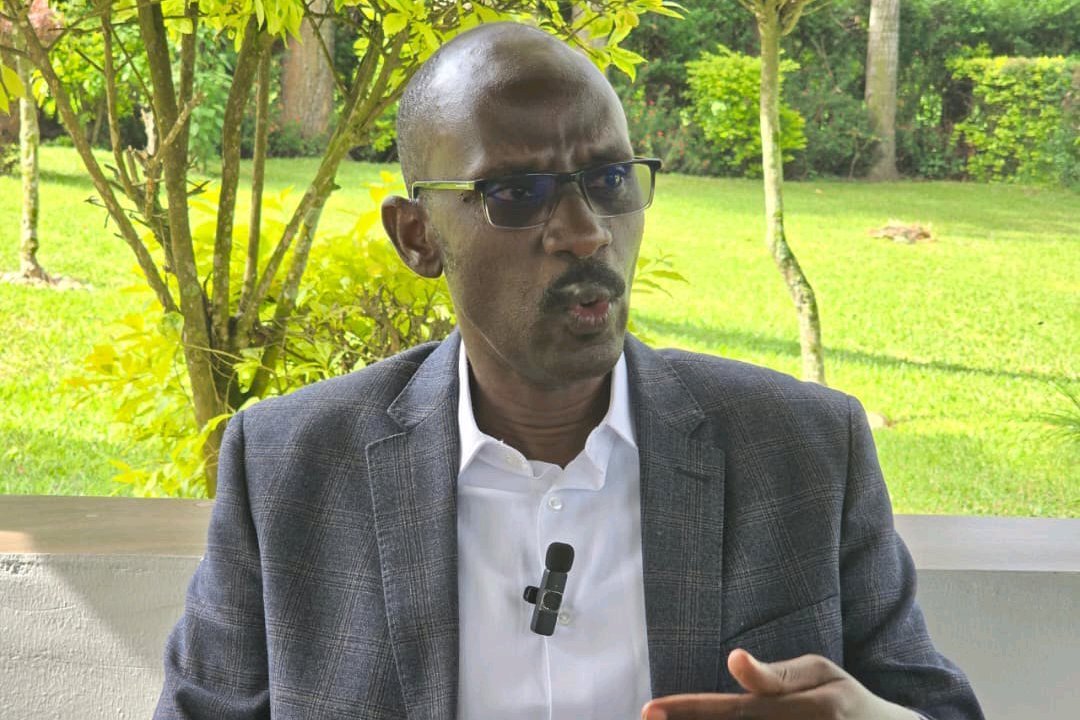
Former Kira Municipality Member of Parliament Ibrahim Ssemujju Nganda has delivered a bold and defiant message to President Yoweri Museveni and Chief of Defence Forces Muhoozi Kainerugaba while on pilgrimage in the holy city of Mecca, declaring that he is not afraid of either leader despite what he described as increasing political intimidation in Uganda.
Speaking during his stay in Mecca, one of Islam’s most sacred destinations, Ssemujju said his journey was not only a spiritual undertaking but also an opportunity to pray for Uganda and reflect on the state of the nation. He explained that his prayers were focused on seeking divine guidance, protection, and justice for all Ugandans amid growing political tensions.
The outspoken opposition politician used the occasion to express concern about what he views as a shrinking democratic space in the country. According to him, political disagreements should be handled through dialogue and democratic institutions rather than threats, intimidation, or actions that create fear among citizens and political opponents.
Ssemujju emphasized that while political leaders may wield significant power on earth, no individual is greater than God. He noted that earthly authority is temporary and that every leader, regardless of rank or influence, will one day face divine judgment. His remarks appeared aimed at reminding those in positions of power that leadership comes with accountability.
Drawing from his religious reflections in Mecca, Ssemujju said many believers travel to the holy city to seek forgiveness, spiritual renewal, and preparation for life beyond this world. He argued that such moments provide an important reminder that material power, wealth, and influence are fleeting when compared to eternity.
The former legislator also made reference to allegations surrounding the existence of unofficial detention facilities commonly referred to as “basements,” where critics claim some individuals have been unlawfully held. Without presenting evidence, Ssemujju used the term symbolically to argue that no earthly detention facility can shield anyone from the ultimate authority of God.

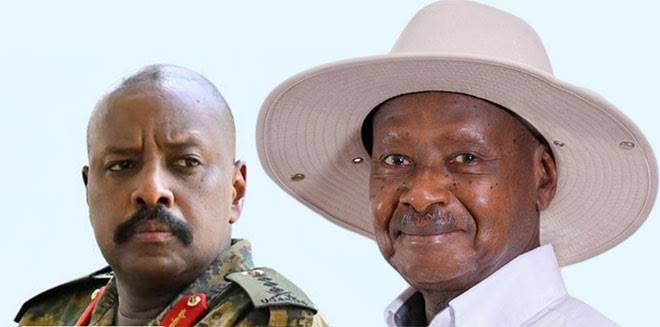
In his remarks, he criticized President Museveni for publicly defending his son, Gen Muhoozi Kainerugaba, following several controversial statements and social media posts that have sparked public debate. Ssemujju questioned whether some of the actions attributed to the CDF should be praised or condemned by national leaders.
According to Ssemujju, leadership should be measured by values such as respect for human rights, tolerance of differing opinions, and commitment to justice. He suggested that political leaders have a responsibility to set positive examples for younger generations who closely observe their conduct and behavior.
The opposition figure further argued that children often grow up imitating what they witness from their parents and communities. He warned that when young people are constantly exposed to hostility, aggression, and conflict, they may come to view such behavior as normal, creating long-term consequences for society.
Ssemujju said Uganda’s future depends on nurturing a culture of peace, dialogue, and mutual respect. He stressed that political competition should not be treated as warfare and that differing viewpoints should be accommodated within a democratic framework rather than suppressed.
His comments come amid heightened political tensions involving several opposition leaders. In recent months, debates surrounding arrests, prosecutions, and public exchanges between government officials and opposition figures have dominated national conversations, drawing reactions from both supporters and critics.
The former MP specifically referenced repeated threats that he says have been directed toward him. Despite these developments, he maintained that his faith has strengthened his resolve and eliminated any fear he may once have felt. He insisted that he remains committed to speaking out on issues he believes affect the country’s democratic future.
Ssemujju explained that his confidence comes from his belief that human beings ultimately answer to a higher authority. He said no matter how powerful a person may become, life is temporary and every individual will eventually leave behind their earthly position and possessions.
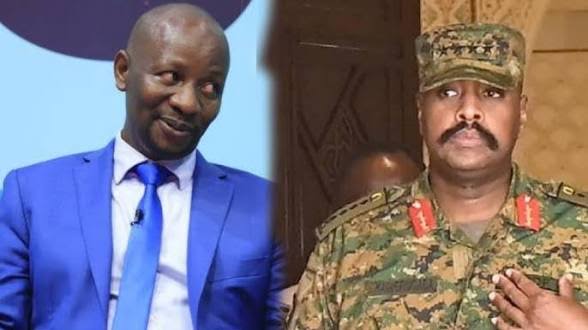
The remarks also followed public statements attributed to Gen Muhoozi Kainerugaba regarding opposition figures. One of the statements referenced Ssemujju and Leader of the Opposition Joel Ssenyonyi, generating widespread discussion across social media and political circles.

The comments emerged shortly after the arrest of former Kampala Lord Mayor Erias Lukwago, a development that attracted significant public attention. The arrest became a major talking point among opposition supporters, who expressed concern about what they viewed as increasing pressure on government critics.
The situation was further amplified when an AI-generated image shared online appeared to depict Lukwago alongside veteran opposition politician Kizza Besigye in prison attire. The image quickly circulated on social media platforms, drawing both criticism and support from different sections of the public.
Ssemujju revealed that he was already in Mecca when some of these developments unfolded back home. As a result, he was unable to attend certain political events and court proceedings involving fellow opposition figures, including Lukwago’s initial court appearance.
While in Saudi Arabia, the former MP said he continued to closely monitor events in Uganda and remained concerned about the direction of national politics. He noted that distance had not diminished his commitment to advocating for democracy, accountability, and constitutional governance.
Political analysts say Ssemujju’s comments are likely to fuel further debate about freedom of expression, political tolerance, and the relationship between opposition leaders and state institutions. His remarks from Mecca have already attracted significant attention because of both their spiritual context and their direct criticism of Uganda’s political leadership.
As the discussion continues, Ssemujju remains firm in his position that faith has given him courage to speak without fear. Whether his statements will intensify political exchanges or inspire broader conversations about governance and democracy remains to be seen, but his message from Mecca has undoubtedly added another chapter to Uganda’s ongoing political discourse.