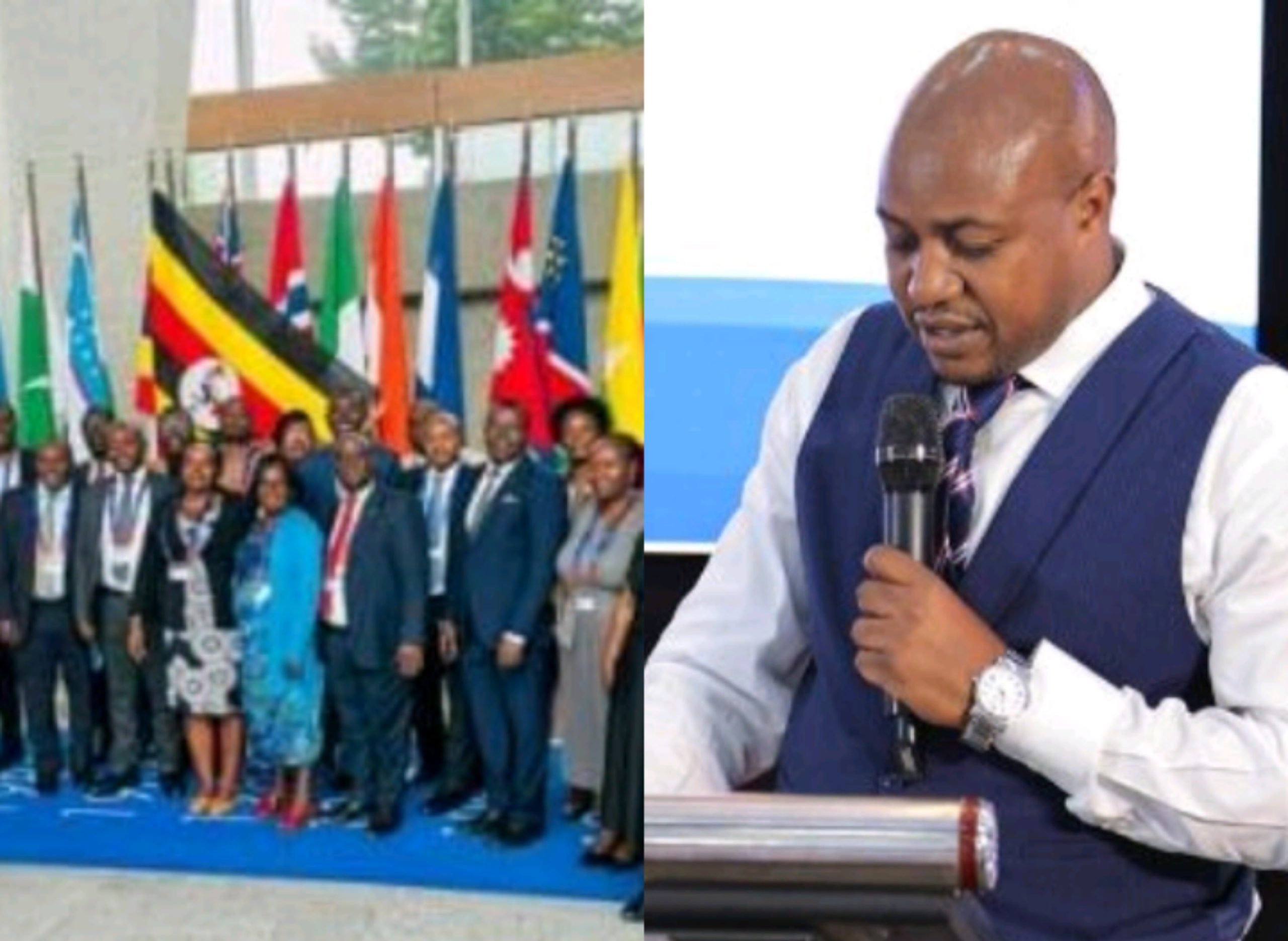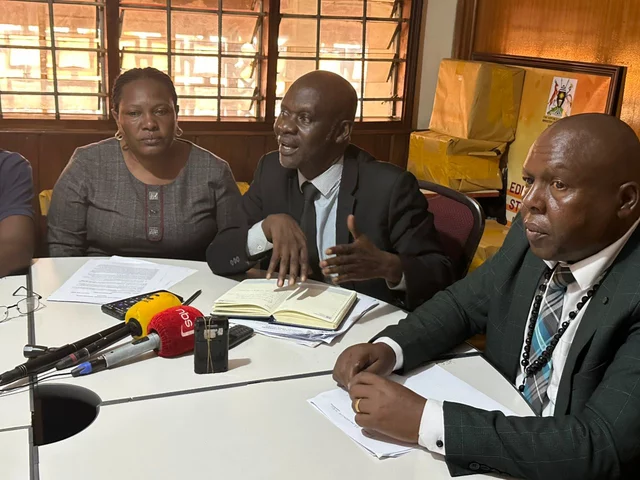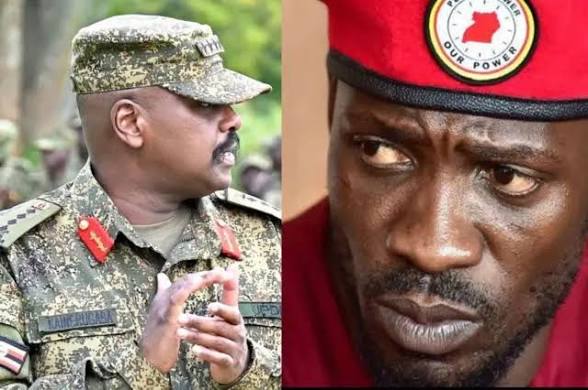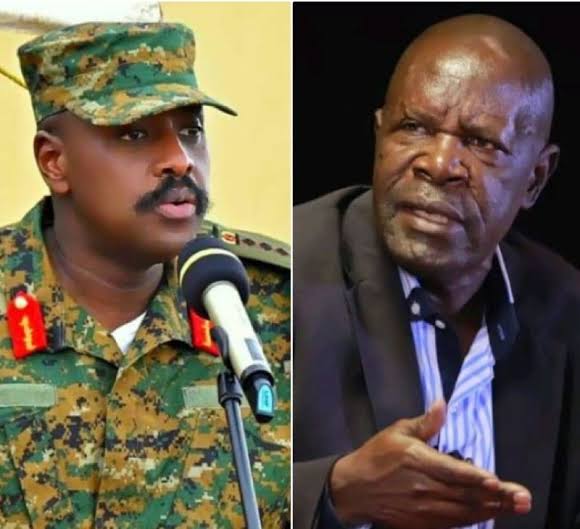
Ofwono Opondo has sparked fresh political debate after publicly questioning the circumstances surrounding recent developments involving Daily Monitor and NTV Uganda, while directly challenging Gen. Muhoozi Kainerugaba over comments that have generated widespread national discussion.
The former government spokesperson raised concerns through a strongly worded statement in which he demanded clarity regarding who was responsible for actions reportedly affecting the two major media houses.
Opondo specifically questioned whether the decisions were made by the Patriotic League of Uganda (PLU), an organization associated with Gen. Muhoozi, or by the government led by President Yoweri Kaguta Museveni.
According to Opondo, the issue goes beyond politics and touches on questions of governance, authority, and public accountability that deserve clear explanations.
His remarks came after Gen. Muhoozi made statements about Daily Monitor and NTV Uganda that quickly attracted attention across social media and political circles.
The comments triggered widespread reactions from journalists, politicians, civil society organizations, and ordinary citizens, many of whom sought clarification about their meaning and implications.

Opondo argued that when statements involving major national institutions are made by senior public figures, the public deserves to know whether such remarks reflect personal opinions or official government positions.
He further noted that uncertainty surrounding such matters can create confusion among citizens who rely on official communication channels for accurate information.
In one of the most striking parts of his statement, Opondo questioned whether Uganda’s political authority remains where citizens expect it to be.
“Was it PLU or Museveni’s government that took the action to close the two media houses? Or just tell us that the president Ugandans elected on 15th January 2026 is no more and we just settle down,” he reportedly stated.
The remarks immediately attracted significant attention online, with supporters and critics offering different interpretations of his message.
Some observers viewed the statement as a direct challenge to the growing influence of Gen. Muhoozi in national political discussions.
Others interpreted it as a call for institutional clarity regarding who speaks on behalf of government and who has authority to make decisions affecting national institutions.
Political analysts noted that debates about power, authority, and public communication have become increasingly common in Uganda’s political landscape.
They observed that comments from influential political figures often generate intense scrutiny because of their potential impact on public perception and national discourse.
Media freedom advocates also followed the discussion closely, emphasizing the importance of transparency whenever issues involving major news organizations arise.

Daily Monitor and NTV Uganda remain among the country’s most influential media outlets, making any controversy surrounding them a matter of significant public interest.
The discussion has also reignited broader conversations about the relationship between political leaders, state institutions, and independent media organizations.
Several commentators argued that clear communication from public officials is essential in maintaining public confidence and preventing speculation.
Others noted that social media has transformed political communication, allowing prominent leaders to shape national conversations instantly through a single post.
As reactions continue to emerge, many Ugandans are waiting to see whether further clarification will be provided regarding the statements and concerns raised by Opondo.
For now, his remarks have added another layer to an already heated national debate, with questions about authority, governance, media freedom, and political influence continuing to dominate public discussion across the country.