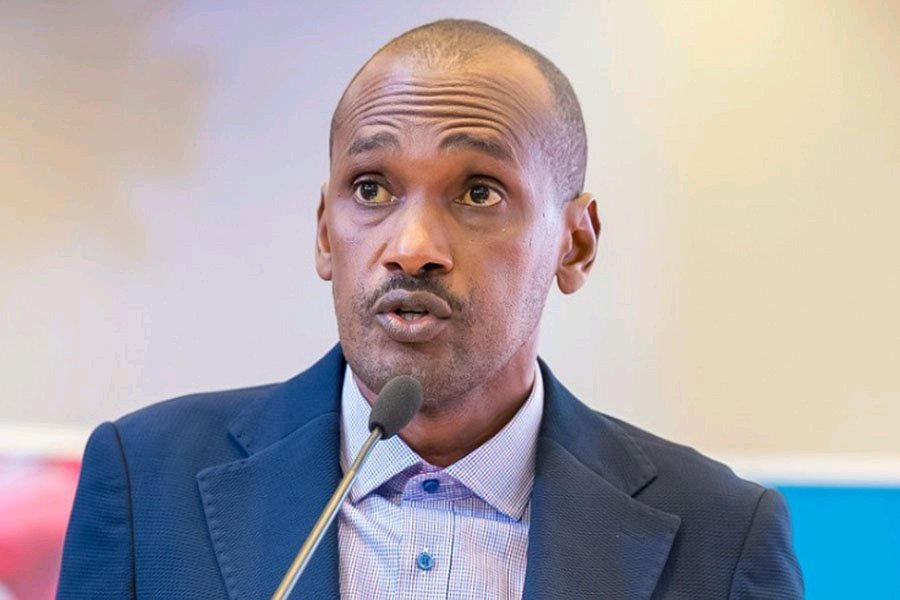
Ugandan musician Eddy Kenzo has publicly criticized Speaker of Parliament Anita Among following her comments on the Copyright Amendment Bill, which has become a significant issue for artists across the country. Kenzo, a long-time advocate for the reform of Uganda’s copyright laws, expressed his disappointment in the Speaker’s remarks when the bill was presented for its second reading in Parliament.
For over two years, Kenzo has been actively lobbying for the bill, which aims to strengthen protections for artists and ensure they receive fair compensation for their work. The amendment, which would require TV and radio stations to pay musicians royalties every time their songs are played, has been a key issue for the music industry.
However, during the debate on the bill, Speaker Anita Among raised concerns about the proposed requirements. She questioned why broadcasters should have to pay musicians for their music, arguing that playing the songs already serves as a form of promotion for the artists.
Kenzo, who has been at the forefront of advocating for this legislation, voiced his disapproval of Among’s stance. “I was very disappointed by the Speaker,” Kenzo said. “Her comment that ‘how can I pay someone for playing their music when I am promoting it’ was completely uncalled for, and as musicians, we are genuinely concerned about this.”
The musician went on to explain that the bill’s purpose was to ensure artists are properly compensated whenever their music is aired, as it contributes to their livelihood. Kenzo and other supporters of the bill believe that broadcasters benefiting from the music should fairly compensate the creators whose work contributes to their profits.
With the bill expected to return to Parliament for further debate, the discussion has sparked a larger conversation about the value of intellectual property and the rights of artists in Uganda. While some argue that the proposed law would benefit the creative industry, others, including Among, have expressed concerns about the financial implications for broadcasters.
As the debate continues, stakeholders from the music and creative industries are intensifying their efforts to ensure the bill is passed. Kenzo’s criticism of the Speaker underscores the tensions surrounding the bill and the need for greater protection of artists’ rights in Uganda’s evolving media landscape.
The Copyright Amendment Bill, which is designed to create a fairer and more sustainable environment for Ugandan musicians, remains a critical issue for the country’s entertainment industry. As Parliament resumes its discussions, all eyes will be on whether the bill gains the support needed to secure its passage into law.