Uganda has launched one of the most far-reaching infrastructure visions in its history, unveiling plans to construct 20 international airports across the country. The sweeping proposal is designed to accelerate economic growth, expand tourism, and bridge long-standing gaps in regional connectivity, positioning Uganda as a major aviation hub in East Africa.The announcement was delivered by Deputy Speaker Thomas Tayebwa, who revealed that several locations have already been earmarked for immediate development.
Kabale has secured land for its airport, while Kotido has attracted a committed private investor, demonstrating early momentum behind the government’s ambitious strategy.Tayebwa explained that the airports will serve as catalysts for broader development rather than standalone projects. He pointed out that tourism infrastructure, including world-class hotels and leisure facilities, is being synchronized with aviation investments to transform remote districts into economic growth centers capable of hosting international visitors and investors.
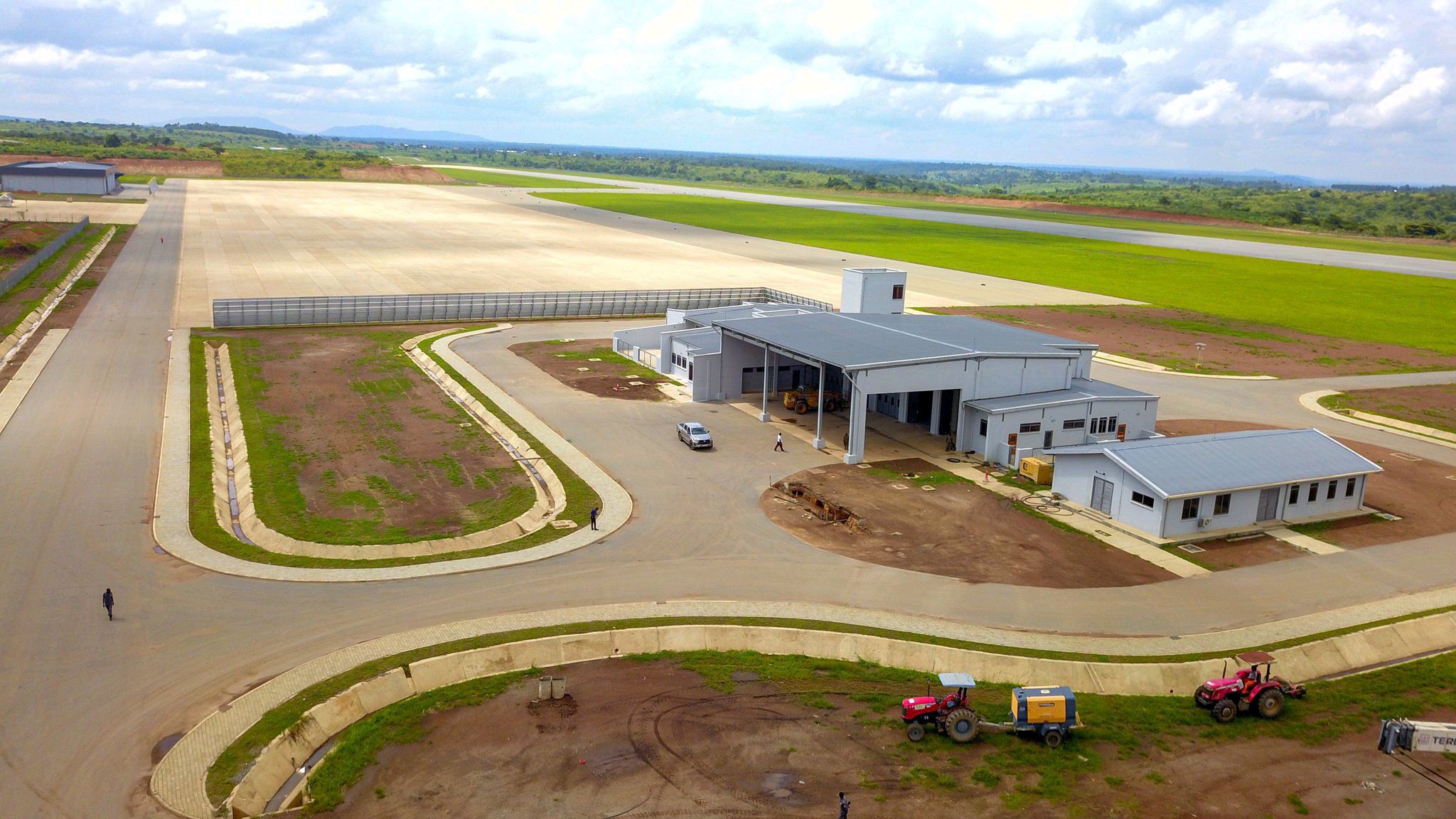
One of the most advanced projects is Kabalega International Airport in Hoima District, which is nearing completion and will become Uganda’s second major international gateway. Built with a 3.5-kilometre runway suitable for large commercial aircraft, the airport is expected to drive cargo transport, oil-sector logistics, and industrial expansion in western Uganda.Meanwhile, Uganda’s primary air hub, Entebbe International Airport, is undergoing continuous modernization as passenger and freight traffic continues to surge.
Authorities report record growth in international travelers, prompting phased upgrades to terminals, runways, and support facilities to meet rising global aviation standards.Adding to the scale of the plan, President Yoweri Museveni has approved a mega airport project at Nyakisharara near Mbarara. The proposed facility is designed for long-haul intercontinental flights and will span more than 21 square kilometres, developed through a Build-Operate-Transfer partnership model alongside new roads, hotels, and commercial zones.Officials believe the airport expansion drive will also bring relief to Uganda Airlines by improving domestic and regional flight networks and reducing operational bottlenecks.
Affordable internal air travel is expected to boost sports tourism, business mobility, and access to remote regions that have long depended on slow road transport.This aviation blueprint aligns with Uganda’s long-term goal of growing its economy to $550 billion by 2040, anchored on agriculture, tourism, minerals, and science and technology. If realized, the network of new airports could redefine the country’s development path, turning air transport into a powerful engine of national transformation and global integration.