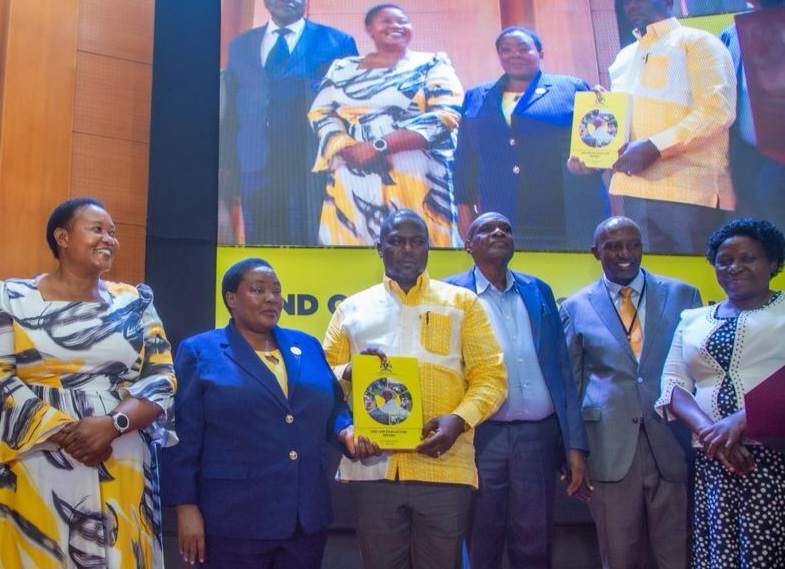
In Apac District, the National Resistance Movement (NRM) appears to be consolidating its political dominance as a wave of defections from the Uganda Peoples’ Congress (UPC) shifts the local landscape.
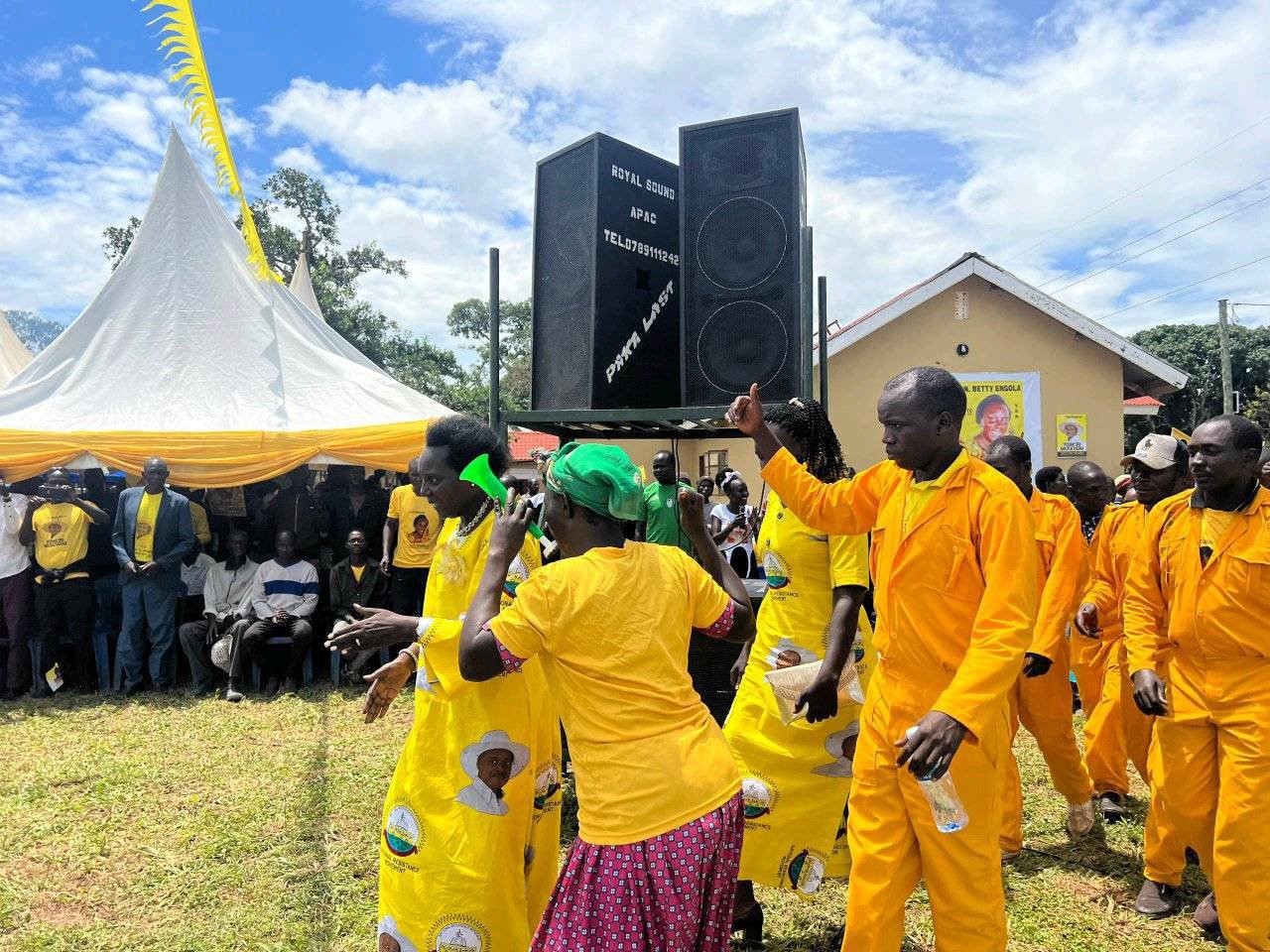
Campaign rallies held on Monday across Chegere Sub-county—including stops at Adir, Kidilani, and Adem—served as both a celebration of new political alliances and a platform for serious accusations against local leadership.NRM district chairperson Talib Okabo welcomed the defectors with enthusiasm, framing their move as an endorsement of the party’s national agenda.
“This is a party with a vision for Uganda’s future,” Okabo told supporters, positioning the NRM as the only political force capable of delivering sustained development. Yet, the day’s rallies soon turned attention to more pressing concerns: allegations of mismanagement and corruption within Apac’s local administration.
Apac Woman MP Betty Engola did not hold back in addressing the audience. She accused certain district leaders of diverting funds intended for road construction and maintenance. According to Engola, Parliament allocates Shs 2 billion annually for Apac’s infrastructure, yet a substantial portion allegedly disappears before reaching the communities. “These funds are meant to repair our roads, but some individuals misuse them, leaving our communities to bear the cost,” Engola stated, drawing audible agreement from the crowd.
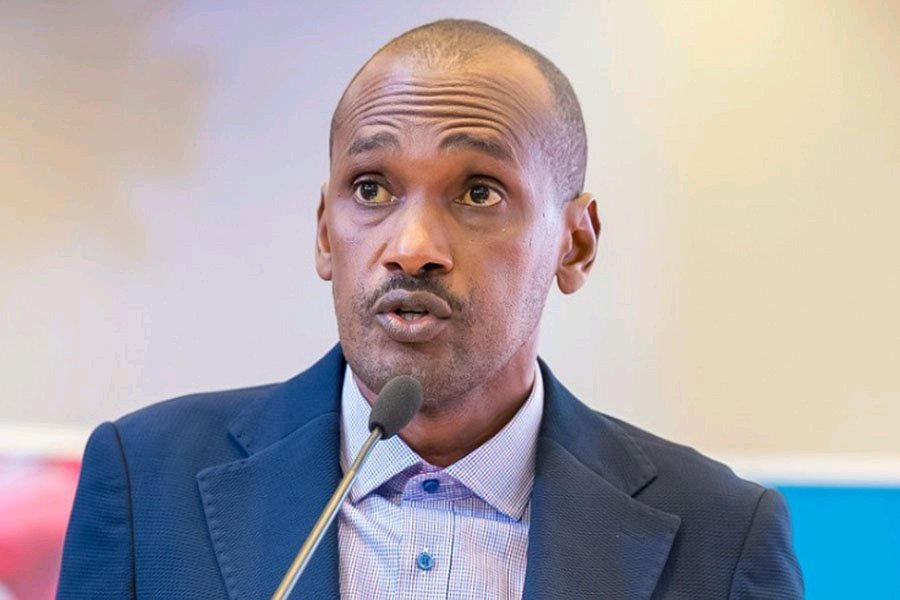
Okabo echoed her concerns, condemning the alleged embezzlement as a betrayal of public trust. He urged voters to scrutinize candidates carefully and reject anyone implicated in corruption, framing the 2026 elections as a critical opportunity for accountability.Amid the criticism, Engola also highlighted the NRM’s long-term vision for Uganda. She spoke of a roadmap extending to 2060, emphasizing plans to expand rural electrification, modernize the national railway, promote tourism, and strengthen local manufacturing.
She pointed to regional landmarks such as Tyen Olum in Ibuje Sub-county and the Barlonyo Memorial Site as potential economic drivers if properly developed. “This is not rhetoric; this is a practical plan for the next 20 to 30 years,” she said, positioning the NRM as the party capable of delivering sustained progress.Community empowerment was another focus of Engola’s address. She pledged support for small household enterprises by providing equipment for processing crops like groundnuts, millet, and simsim, a move aimed at boosting incomes and alleviating poverty in rural areas.NRM candidate Benard Otim Odoc also cautioned residents against political misinformation.
“Beware of those who spread lies to confuse voters,” Odoc warned, implicitly targeting opposition actors ahead of the 2026 elections.The rallies culminated in a formal realignment, as several UPC members publicly joined the NRM. Okabo hailed this as a return to “realistic politics,” emphasizing development over empty promises. The defections suggest that NRM’s influence in Apac is expanding, even in areas historically dominated by the opposition.Despite the momentum, the political scene in Apac remains volatile. While the NRM consolidates its position, opposition parties are unlikely to concede easily.
As the 2026 elections approach, voters will navigate a charged environment shaped by corruption allegations, promises of development, and shifting loyalties.For Apac residents, the stakes are high: the elections are not merely a contest of parties, but a chance to demand genuine accountability and tangible progress from leaders who have long held the region’s future in their hands.