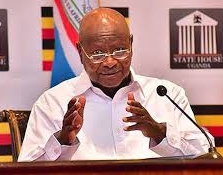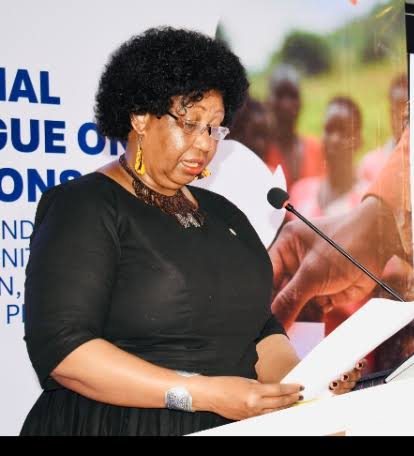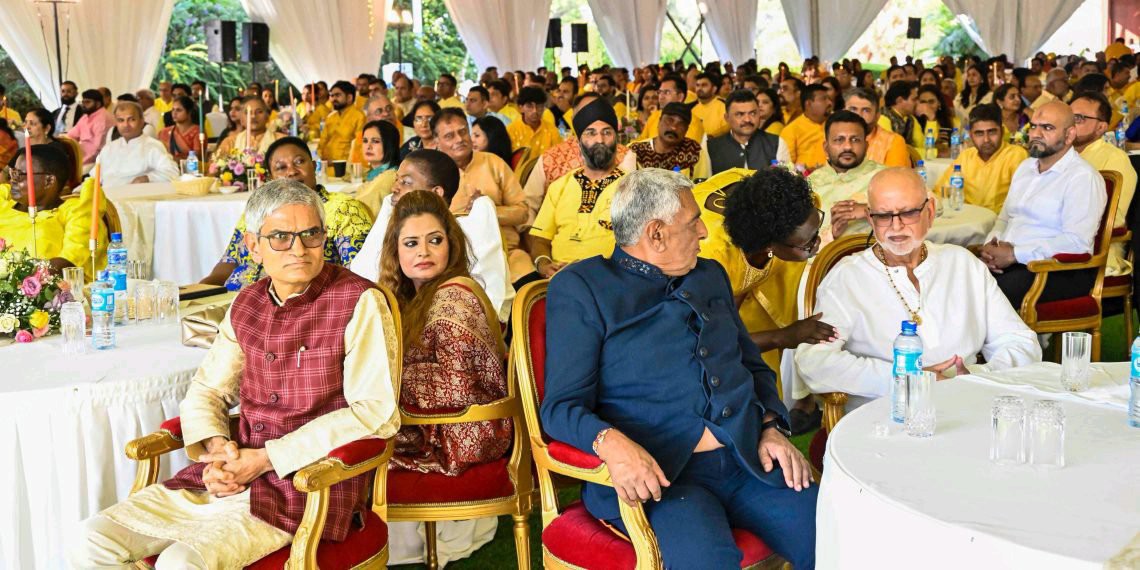
President Yoweri Kaguta Museveni has voiced his support for Uganda’s Indian community to be officially acknowledged as one of the nation’s tribes—a request that business magnate Dr. Sudhir Ruparelia and other leaders of Asian descent have championed for years. The announcement was made during this year’s Diwali festivities held at State House Entebbe, attended by the First Lady Janet Museveni, Dr. Sudhir, and several distinguished members of the Indian-Ugandan business fraternity.
Addressing guests at the event, President Museveni lauded the Indian community for their resilience and pivotal role in rebuilding Uganda’s economy after the 1972 expulsion under Idi Amin’s regime. “It is a pleasure to celebrate Diwali with our Indian brothers and sisters. Their decision to return and reinvest in Uganda after those painful years has helped our economy grow, created employment, and boosted government revenues,” the President remarked.
Museveni went on to reveal that his government would explore ways to grant the Indian community official tribal status—his clearest statement yet on the subject. The pledge follows comments made by Dr. Sudhir in an interview with TrumpetNews earlier in October, in which he argued that the Indian community’s more than 120-year presence in Uganda merits formal cultural recognition, just like other historically migrant groups that have been integrated into the national fabric.
Granting this status would be both symbolic and historic. Although the Indian-Ugandan population remains relatively small, its influence on the country’s post-conflict recovery has been profound. Families such as the Ruparelias, Madhvanis, Mehtas, and Mukwanos have been instrumental in developing Uganda’s industrial, real estate, education, and hospitality sectors—employing thousands and contributing significantly to the tax base.
Should the proposal be enacted, the Indian community would become Uganda’s 66th officially recognized tribe, joining others such as the Nubians and Rwandese. Cultural analysts say the move would represent a remarkable gesture of unity and reconciliation, transforming a community once exiled into a fully embraced part of Uganda’s national identity.
“This is a powerful narrative of belonging, contribution, and healing,” noted a Kampala-based cultural historian. As Uganda continues to evolve into an inclusive, multi-ethnic society, Museveni’s endorsement may finally realize a vision the Indian-Ugandan community has pursued for generations.