Kenya is staring down a potential reproductive health crisis as critical shortages of contraceptives begin to take hold across the country, threatening to reverse decades of progress in access to family planning. The warning, issued by the United Nations Population Fund (UNFPA), has sent shockwaves through the health sector, especially among advocates and healthcare workers who have spent years expanding access to contraception in rural and underserved urban communities.
At the heart of the crisis is a steep decline in global funding for reproductive health supplies—an issue that has left public health facilities across Kenya struggling to maintain stocks of essential contraceptives. For many women, particularly those in informal settlements and remote villages, the effects are already being felt.
In a recent report, UNFPA cautioned that the long-standing gains Kenya has made in ensuring access to family planning are now at serious risk. “Decades of progress in expanding access to contraception in Kenya could be unravelling, as global funding for contraception plummets. Stocks of many contraceptives are now dwindling in public hospitals,” the agency warned.
Kenya has long been regarded as a regional leader in family planning progress. The percentage of married women using modern contraceptives rose from 32% in 2003 to 57% in 2022, according to the Kenya National Bureau of Statistics. Over the same period, the unmet need for family planning declined significantly, from 27% to 14%, as awareness, education, and access to contraceptives improved. The country had set an ambitious target of reaching a 64% modern contraceptive prevalence rate by 2030.
But that target now appears increasingly out of reach. The financial strain is severe. According to Kenya’s National Family Planning Costed Implementation Plan, the country needs Ksh8 billion (about US$62 million) annually to meet its family planning requirements. Currently, only half of that is funded, leaving a gaping hole in the system.
The situation has been further complicated by recent funding cuts from major international donors. The United States, which supplies roughly 24% of Kenya’s family planning commodities, has significantly scaled back its global health budget. The effects of that decision are now rippling through clinics and hospitals across the country.
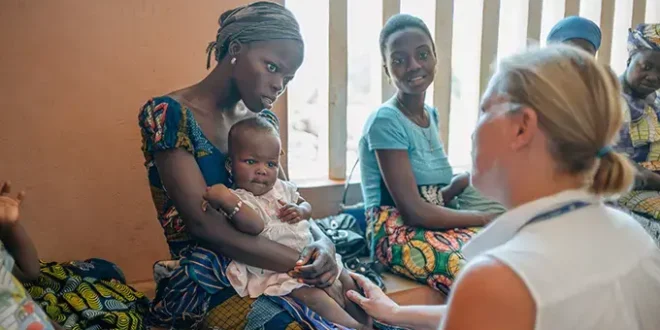
Healthcare workers on the front lines describe a situation that is deteriorating rapidly. Hilda Amimo, a health worker in Thika, a town outside Nairobi, expressed frustration over what she called a crisis in the making. “Shortage of contraceptive stocks, especially short-term methods often preferred by rural women, have run out in most facilities,” she said. “Women have become more aware of their options—hormonal, barrier, permanent solutions—but now, those options are vanishing.”
Nurses and reproductive health advocates say the shrinking choices for women could carry far-reaching consequences. Hassan Nyawanga, a nurse based in Nairobi, noted that the lack of access doesn’t just threaten public health—it risks undermining women’s autonomy. “The ability to choose what works for your body is essential. If women are denied that choice, they are exposed to a cascade of risks—unintended pregnancies, unsafe abortions, and even domestic violence,” he said.
The impact is not only personal but national. With millions of women depending on publicly supplied contraceptives, the ripple effects of shortages could include spikes in maternal mortality, a decline in school attendance for adolescent girls, and increased pressure on already strained health services.
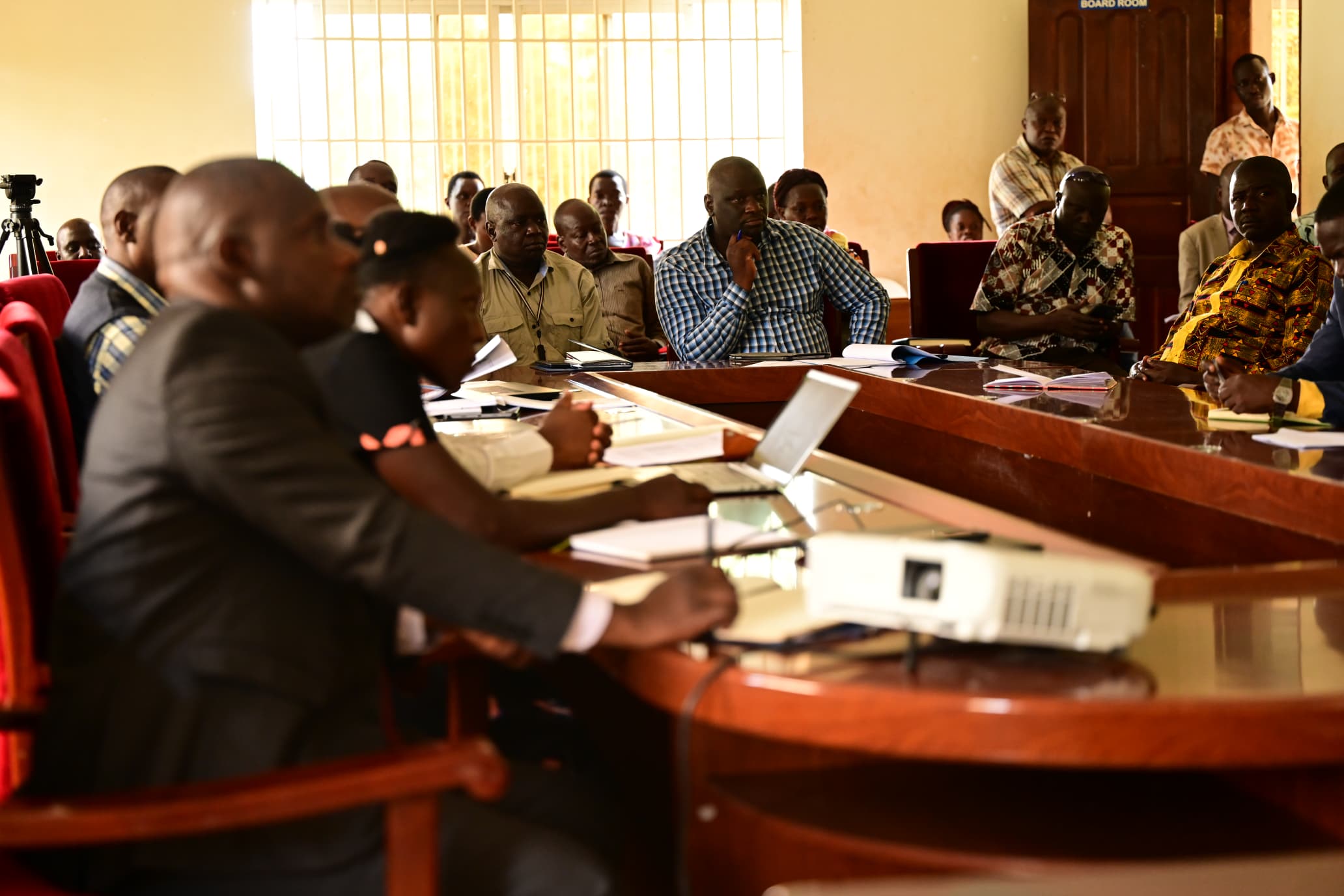
The Kenyan government has acknowledged the severity of the situation. Medical Services Principal Secretary Ouma Oluga recently admitted that the loss of donor support was a major blow. While receiving a shipment of contraceptives funded by the United Kingdom, Oluga warned that over six million women could lose access to family planning services in 2025. “We could see a rise in unintended pregnancies, more unsafe abortions, and maternal deaths,” he said, adding that the contraceptive prevalence rate could also drop significantly.
In response, the Ministry of Health has pledged to ramp up domestic financing and accelerate the transition from donor dependency to self-sustaining procurement systems. However, with current budgetary pressures and other competing health priorities, it remains unclear whether Kenya can close the gap fast enough.
UNFPA, for its part, has promised continued support to ensure that women and girls in Kenya do not lose access to essential reproductive health services. The agency said it is working closely with government counterparts to improve supply chains, strengthen service delivery, and ensure contraceptives are integrated into primary healthcare systems across the country.
“UNFPA Kenya is fully committed to supporting the government’s efforts to uphold the rights of individuals,” the agency said in a statement. “Our goal is to ensure that every woman and girl has the power to control her body, her life, and her future.”