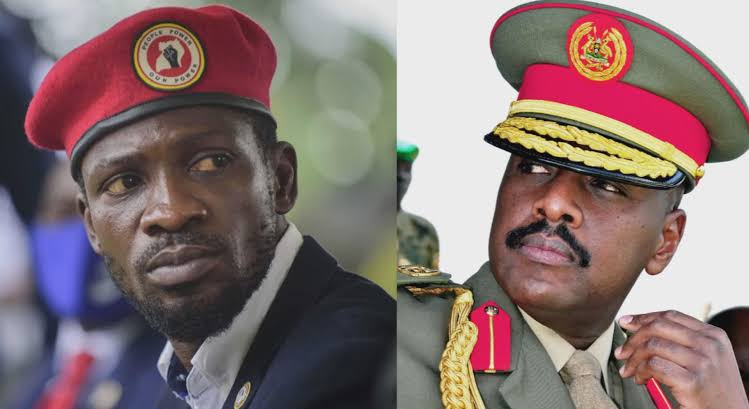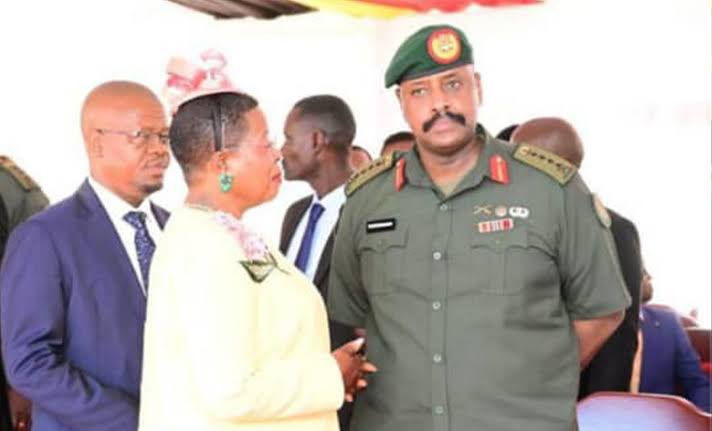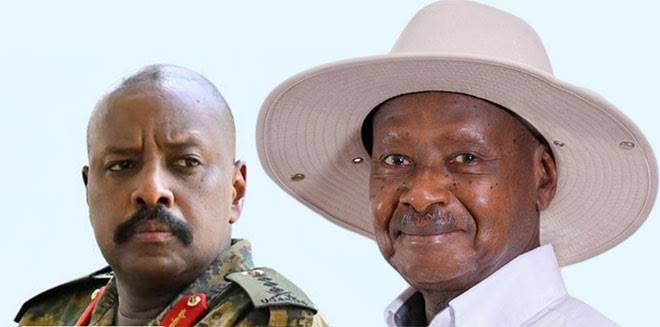
General Muhoozi Kainerugaba, the leader of the Patriotic League of Uganda (PLU), has revealed that the organisation’s first goal is to uphold the ideas of President Yoweri Kaguta Museveni. His statement highlights the importance PLU attaches to Museveni’s political principles and legacy as it defines its mission in Uganda’s political landscape. The remarks have attracted attention because of the organisation’s association with Muhoozi, who also serves as Uganda’s Chief of Defence Forces.
Speaking about the organisation’s priorities, Muhoozi stated, “The first goal is to uphold the ideas of Yoweri Museveni.” The declaration places Museveni’s political philosophy at the heart of PLU’s stated objectives. It also raises questions about how the organisation intends to promote these ideas and what its commitment could mean for Uganda’s political future.
President Museveni has been one of the most influential figures in Uganda’s history since coming to power in 1986. During his leadership, the country has experienced changes in infrastructure development, security, education, healthcare and the economy. His government has also played a major role in shaping Uganda’s political direction, with the National Resistance Movement (NRM) remaining the dominant political force for decades.
For PLU, upholding Museveni’s ideas could involve promoting the principles and political values associated with his leadership. However, Muhoozi’s statement did not provide specific details about the policies, programmes or activities the organisation plans to introduce. Ugandans will therefore be watching to see how the group turns its declared objective into practical action and whether it will outline a clear agenda for the public.
The organisation has attracted considerable public interest because of Muhoozi’s position in the military and his growing visibility in political discussions. His statements on Uganda’s leadership, national affairs and the country’s political direction have frequently generated debate. PLU’s relationship with the ruling NRM and its role in the wider political environment are also subjects that may require further clarification as the organisation develops its activities.
Muhoozi’s declaration may appeal to supporters who believe that preserving Museveni’s political ideas is important for maintaining continuity in Uganda’s leadership. Those who support the president often point to improvements in infrastructure, economic development and national security as important achievements of his administration. For such supporters, promoting Museveni’s legacy could be seen as an effort to protect the political direction the country has followed for many years.
However, the statement may also attract questions from critics who believe Uganda needs stronger democratic institutions, greater accountability and wider political freedoms. Museveni’s long stay in power has remained a major subject of public debate, with opposition figures and other critics questioning aspects of governance and the concentration of political authority. These differing views mean that PLU’s declared mission is likely to be interpreted differently by various sections of the population.
As the discussion surrounding PLU continues, attention will now turn to the organisation’s next steps and the specific meaning of its commitment to Museveni’s ideas. Whether it will focus on political mobilisation, public engagement or promoting particular policies remains unclear from Muhoozi’s statement. For now, his declaration sends a clear message about the organisation’s stated priorities, placing Museveni’s political legacy at the centre of its mission and opening another conversation about the future direction of Uganda’s politics.