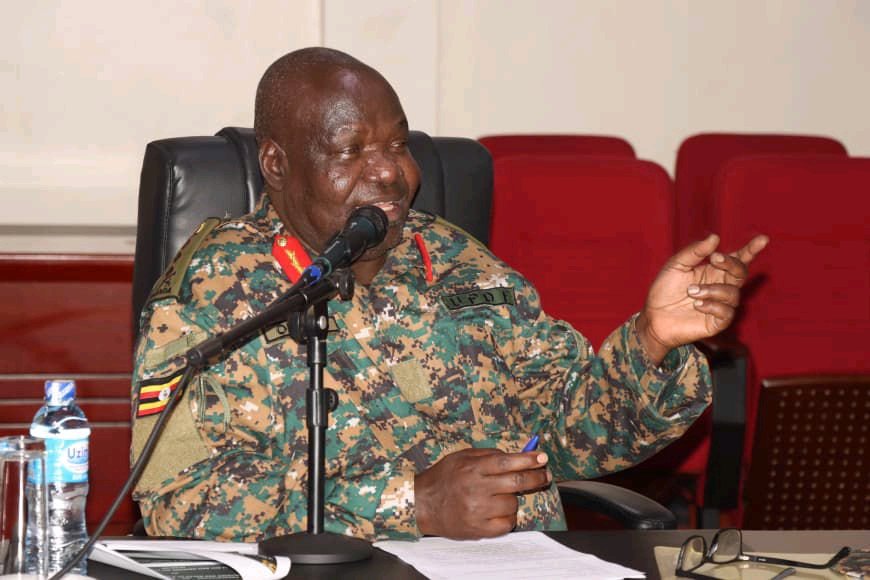
Ofwono Opondo, the Executive Director of the Uganda Media Centre, has broken his silence on the growing political tensions and controversies currently surrounding the country, warning Ugandans to expect more difficult moments before things eventually improve. Opondo made the remarks during a discussion on Capital Gang, where he reflected on recent political developments, security actions and the future direction of Uganda’s politics.
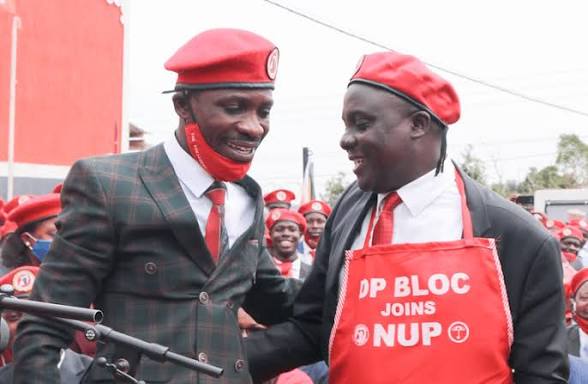
While discussing the arrest and re-arrest of opposition figures, including National Unity Platform (NUP) politician Muwanga Kivumbi, Opondo said the country had entered a period where political realities would continue shaping events. He argued that Ugandans should prepare for more confrontations as the country goes through what he described as a political transition.
Opondo said he was not surprised by recent events and instead suggested that more challenges could emerge before the situation becomes better. According to him, the current period requires strong government action to deal with what he described as political actors who undermine state authority.
The veteran government spokesperson said Uganda was entering a phase where political competition would become more intense, adding that authorities would not remain silent in the face of criticism and opposition pressure.
During the discussion, Opondo defended the government’s approach, saying that states sometimes have to take firm decisions during periods of political uncertainty. He described the current situation as a necessary process that could eventually lead to greater stability.
His comments came after President Yoweri Museveni addressed the nation on several issues, including political disagreements, security matters and the conduct of some opposition leaders. The President’s remarks sparked debate, with different political groups interpreting his message in different ways.

Opondo said he was not disappointed by the President’s position, arguing that the country’s leadership had reached a point where it needed to demonstrate strength and confidence. He suggested that the government could no longer appear weak in dealing with political challenges.
The remarks have attracted mixed reactions from Ugandans, with supporters of the government saying they reflect the need to protect national order, while critics argue that such statements raise concerns about democracy, human rights and the rule of law.
Opposition supporters have accused the government of using security agencies to suppress political competition, while government officials maintain that law enforcement actions are aimed at maintaining peace and protecting national interests.
Opondo also commented on the relationship between politics and the law, saying that in certain circumstances political realities influence how governments respond to challenges. His statement has since become a subject of debate among political commentators.
He argued that Uganda was experiencing a major transformation and that difficult decisions were part of the process. According to him, the country would eventually move towards a better future after passing through the current challenges.
During the same discussion, NUP representative Benjamin Katana reacted to Opondo’s comments, saying they confirmed concerns raised by opposition groups about the increasing involvement of security forces in political matters.
Katana argued that Opondo’s remarks showed that political competition in Uganda was entering a new phase where the government was becoming more open about its approach towards opposition activities.
However, government supporters dismissed such interpretations, insisting that Uganda’s security institutions have a responsibility to maintain law and order regardless of political affiliation.

The debate surrounding Opondo’s remarks comes at a time when Uganda’s political environment remains highly charged ahead of the 2026 general elections. Political parties are already preparing their strategies as tensions continue rising across the country.
Observers say the coming months are likely to be dominated by discussions about governance, accountability, security operations and the role of institutions in managing political disagreements.
Opondo’s warning that things may become worse before improving has therefore attracted significant attention, with many Ugandans questioning what the coming period will look like.
For his supporters, the remarks represent a realistic assessment of the challenges facing the country as it undergoes political changes. For his critics, they raise concerns about whether tougher government actions could affect political freedoms.
As Uganda moves closer to the 2026 elections, the debate over the balance between security, politics and citizens’ rights is expected to continue. The coming period will test how political leaders, government institutions and opposition groups handle disagreements.
For now, Opondo’s message remains one of the strongest statements from a senior government figure regarding the current political atmosphere, warning that Uganda may have to