Chris Obore, the Parliamentary Director of Communication and Public Affairs, has reportedly expressed shock and disappointment over how his public image has changed following his current legal troubles, insisting that he is not the person some people now portray him to be.
According to former Kampala Deputy Lord Mayor Doreen Nyanjura, Obore strongly rejected accusations and public criticism directed at him, saying he could not understand why some Ugandans now viewed him as a “national thief.”
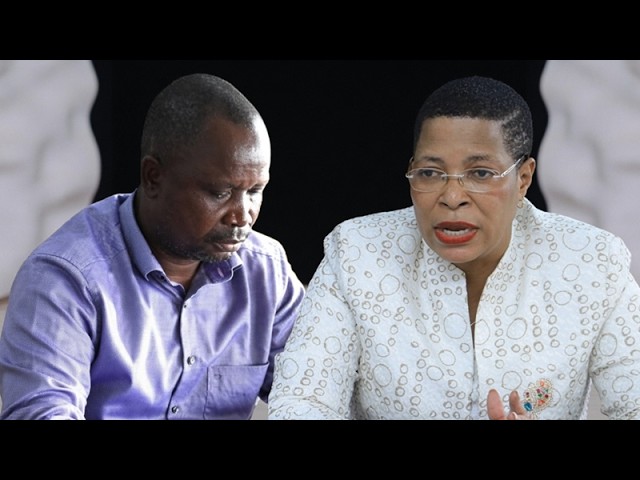
The remarks reportedly came during an unexpected encounter at Murchison Bay Prison in Luzira, where Nyanjura had gone to visit former Kampala Lord Mayor Erias Lukwago. The meeting between the two former political figures and Obore quickly attracted public attention after Nyanjura shared details of their conversation on social media.
In her account, Nyanjura said Obore appeared deeply affected by the negative perception surrounding his name. She claimed that he repeatedly questioned how he had reached a point where some members of the public now described him using harsh labels.
According to Nyanjura, Obore expressed disbelief that people who previously knew him could now associate him with such accusations. She said he repeatedly mentioned the phrase “national thief” while expressing his frustration over the way he was being viewed by sections of the public.
The reported statement quickly became a major topic of discussion online, with social media users reacting in different ways. While some sympathised with Obore’s concerns, others turned the phrase into a subject of jokes and political commentary.

Many online commentators used humour to discuss the unusual prison encounter, with some saying that the phrase had unexpectedly become one of the most talked-about political expressions of the moment. Memes and satirical posts began circulating as Ugandans debated the meaning behind Obore’s reaction.
However, beyond the online jokes, the incident has highlighted the intense pressure public figures face when they become involved in legal battles. Political leaders, government officials and other prominent personalities often experience a rapid shift in public opinion once allegations emerge against them.
Obore’s reported comments come at a time when he and other officials are facing legal challenges that have attracted significant public attention. The cases remain before courts of law, where the accused are entitled to the presumption of innocence until proven guilty.
The controversy has also renewed conversations about the difference between public perception and the legal process. Analysts often argue that public figures can face judgment from society long before courts determine whether allegations against them are true or false.
For many Ugandans, the phrase highlighted by Nyanjura’s post became more than just a comment from a prison conversation. It became a reflection of the wider debate surrounding accountability, reputation and trust in public institutions.
Obore’s supporters argue that individuals facing accusations should not automatically be condemned before the conclusion of court proceedings. They maintain that every accused person has a right to defend themselves and clear their name through legal channels.
On the other hand, critics say public officials must expect greater scrutiny because they hold positions that involve serving citizens and managing public responsibilities. They argue that accountability remains essential for maintaining confidence in government institutions.
The encounter at Luzira also attracted attention because of the personalities involved. Nyanjura, a known opposition figure, and Obore, a senior parliamentary official, found themselves sharing a moment that quickly crossed political boundaries because of the unusual circumstances.
The prison setting added more public interest to the story, as Luzira has increasingly become a place where politicians, activists and public figures facing different legal matters meet. Such encounters often generate significant discussion because of the individuals involved.

Despite the online reactions, Nyanjura’s account only provided details of the brief conversation and did not reveal further information about Obore’s legal situation or his defence strategy. Neither Obore nor his lawyers had publicly responded to the claims about the conversation by the time of publication.
The incident has once again demonstrated the power of social media in shaping political conversations in Uganda. A short account of a private exchange quickly turned into a national discussion, with thousands of people sharing opinions and interpretations.
For Obore, the reported exchange reflects his struggle to protect his reputation amid growing public attention. His insistence that he is not a “national thief” shows his concern about how accusations and public narratives can affect personal image.
As the legal proceedings continue, the final outcome will depend on evidence presented before the courts rather than public debate. Until then, both supporters and critics will continue watching developments surrounding the case.
The Luzira encounter between Nyanjura and Obore has therefore become more than just a prison meeting. It has turned into a wider conversation about justice, reputation, politics and the challenges faced by public figures when allegations emerge.
For now, the phrase that dominated the conversation remains a reminder of how quickly words spoken during unexpected moments can become national talking points in Uganda’s fast-moving political environment.