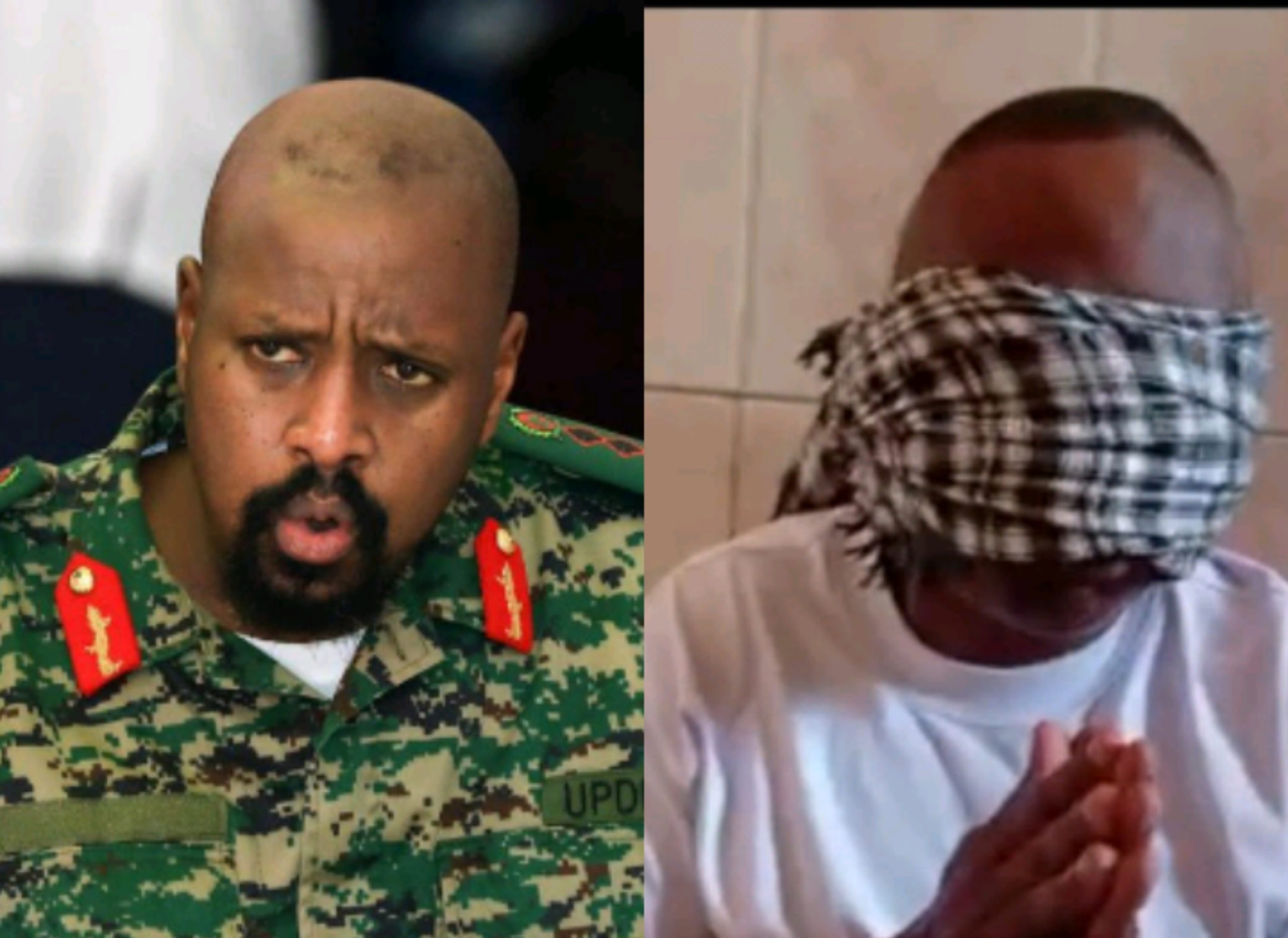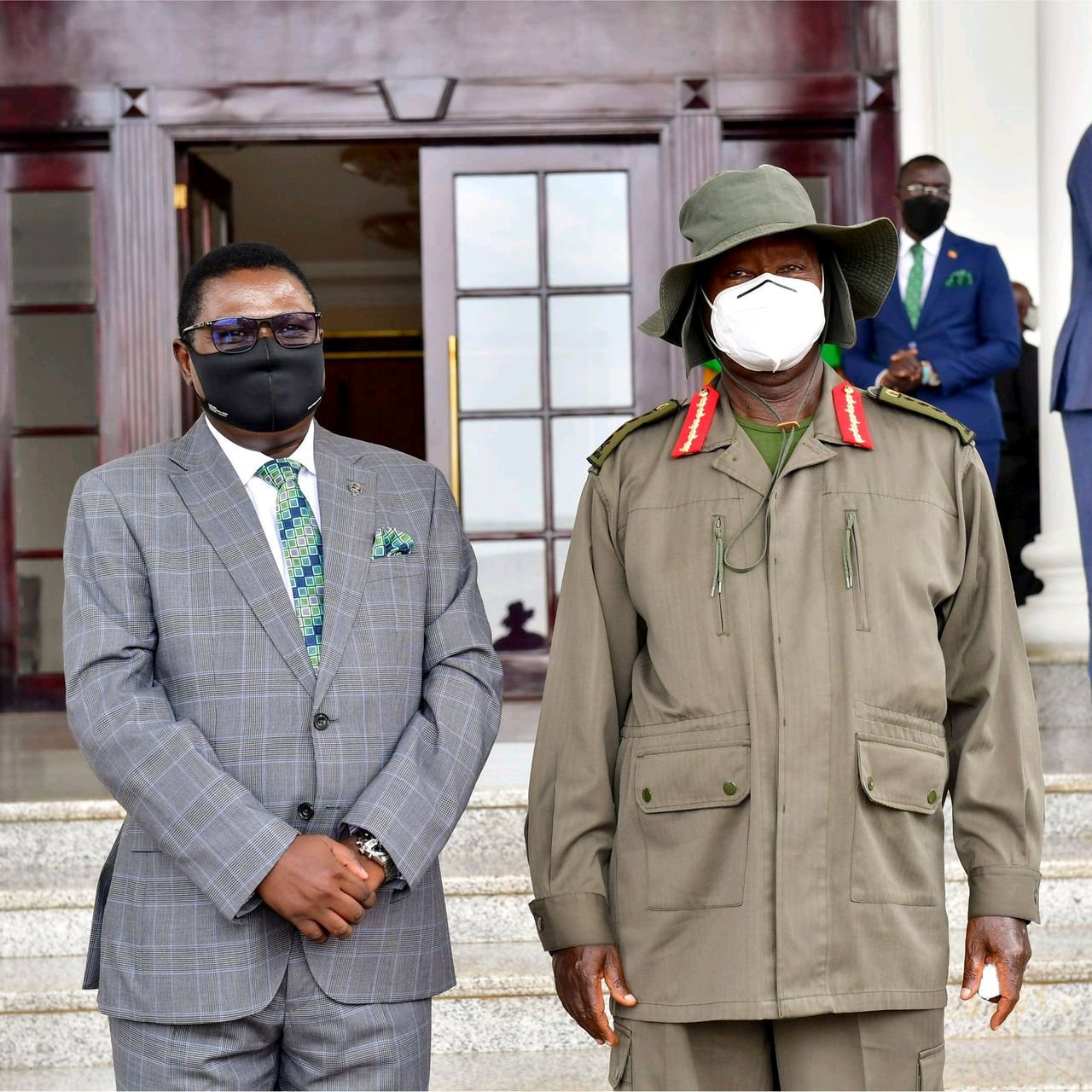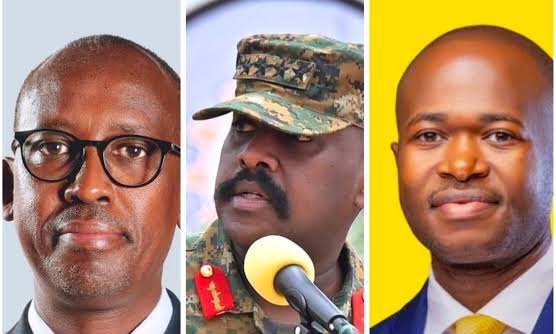
A fresh political dispute has emerged following remarks by Kasambya County Member of Parliament and Head of the Patriotic League of Uganda (PLU) Chairman’s Office, Daudi Kabanda, directed at businessman and presidential advisor Odrek Rwabwogo.
The disagreement gained public attention after Kabanda reacted to reports that Rwabwogo had recently visited veteran journalist Timothy Kalyegira during his detention at Luzira Prison. The visit has since generated discussion among political observers and supporters on social media.
Kabanda, speaking through comments circulated online, questioned Rwabwogo’s involvement in matters concerning Kalyegira and suggested that the visit raised political questions that deserved answers.
His remarks quickly attracted attention because both Kabanda and Rwabwogo are prominent figures associated with political and public affairs in Uganda, making any disagreement between them a matter of public interest.
The comments also reignited conversations about differing views among supporters and individuals linked to the Patriotic League of Uganda, a civic organization that has grown in visibility in recent years.
Observers note that political organizations often experience internal debates, particularly when influential figures hold different opinions on strategy, leadership, or public engagement.

The controversy intensified after social media users began sharing and discussing Kabanda’s statements, with supporters and critics offering varying interpretations of what the disagreement could mean.
Some commentators argued that the dispute reflects broader political competition among influential actors seeking to shape future political narratives, while others dismissed it as an ordinary exchange of opinions.
Rwabwogo has for years remained an influential figure in public policy, business development, and youth empowerment initiatives. His involvement in governance and economic discussions has often placed him at the center of national conversations.
Kabanda, on the other hand, has established himself as one of the most outspoken political figures in Parliament and within circles supportive of President Yoweri Museveni’s leadership.
The latest exchange has also revived public interest in Timothy Kalyegira, whose writings and social media commentary have frequently generated debate on political and governance issues.
Political analysts say that visits to detained individuals by public figures are not uncommon and can be interpreted in different ways depending on the circumstances and the political environment.
Meanwhile, discussions surrounding Uganda’s future political leadership continue to attract speculation both online and offline, with various names frequently mentioned by supporters, commentators, and political observers.
Among those often discussed in public discourse are senior political leaders, military figures, technocrats, and individuals connected to influential institutions. However, many of these discussions remain speculative in nature.

Various claims circulating on social media regarding succession politics have not been officially confirmed by the individuals mentioned, and different groups continue to express differing opinions on the country’s future leadership direction.
Analysts caution that succession debates are often fueled by rumors, personal opinions, and political positioning, making it important to distinguish between verified information and speculation.
As public interest grows, attention is increasingly focused on how influential personalities interact and whether emerging disagreements could affect broader political relationships.
Supporters of both Kabanda and Rwabwogo have continued defending their preferred leaders, with online discussions reflecting the polarized nature of contemporary political debate.
Despite the sharp rhetoric, there has been no official indication that the disagreement will translate into a formal political confrontation, and observers say it remains to be seen whether the matter will escalate further.
For now, the exchange has added another chapter to Uganda’s evolving political conversation, highlighting how public statements by prominent figures can quickly become the subject of national attention and intense public scrutiny.