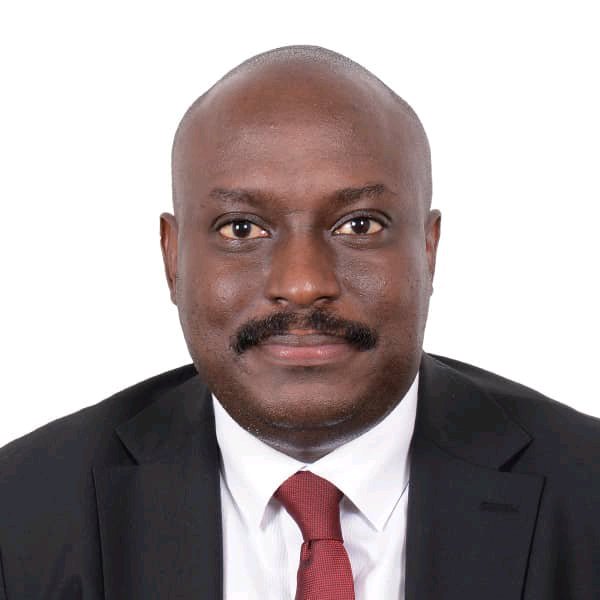
Kampala Lord Mayor Ronald Balimwezo has said he would only attend a proposed meeting with the Chief of Defence Forces, Muhoozi Kainerugaba, if his political party gives him permission. His remarks have sparked debate about political authority, institutional coordination, and decision-making within the Kampala leadership structure.
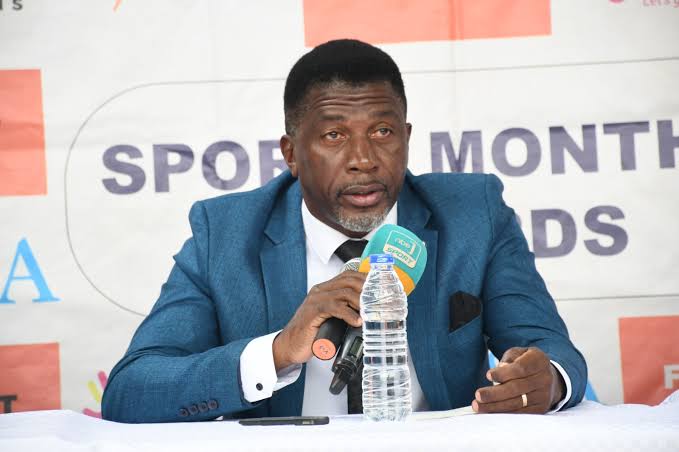
The discussion began after Gen Muhoozi announced on social media platform X that he planned to hold a meeting with Kampala Capital City Authority (KCCA) leaders to discuss the poor state of roads in the city. He specifically invited views on which roads should be prioritized first in upcoming interventions.
However, Balimwezo, who serves as Kampala Lord Mayor, said he had not received any formal invitation to such a meeting. Speaking during a television interview, he emphasized that he was unaware of any official communication regarding the planned engagement.
He explained that while he is open to discussions aimed at improving the city, he must operate within the structures of his political party, the National Unity Platform (NUP), which guides his participation in major engagements.
Balimwezo stressed that any meeting involving external actors, especially those dealing with national-level issues, requires consultation with his party leadership before he can attend or make commitments on behalf of the city.
He further noted that this is not a selective rule applied to certain individuals, but a general principle he follows in all matters involving high-level political or government discussions.
According to him, even if an invitation came directly from the President, he would still seek guidance from his party before participating. He said this approach ensures unity of position and avoids political misunderstandings.

His comments highlight the ongoing tension between opposition-led local leadership in Kampala and central government institutions, particularly in matters involving urban infrastructure and administrative authority.
Balimwezo, however, made it clear that he is not opposed to engagement with government officials or security leaders, including Gen Muhoozi, as long as proper procedures are followed.
He said he is willing to participate in any meeting that aims to improve the city’s road network and overall infrastructure, provided his party approves his involvement.
The debate comes at a time when Kampala’s road conditions have remained a major public concern, with residents frequently complaining about potholes, drainage issues, and traffic congestion.
Gen Muhoozi has recently been vocal about the need for urgent reforms in Kampala’s infrastructure, suggesting that the Uganda People’s Defence Forces (UPDF) should play a more active role in road construction and maintenance.
He has argued that military-led implementation could reduce delays and improve efficiency in completing road projects, a position that has drawn both support and criticism from different political actors.
Supporters of his idea say the UPDF has demonstrated capacity in executing large infrastructure projects, especially in challenging environments where civilian contractors have struggled.

Critics, however, caution that involving the military in civilian infrastructure projects may raise governance and accountability concerns, especially in a politically sensitive urban setting like Kampala.
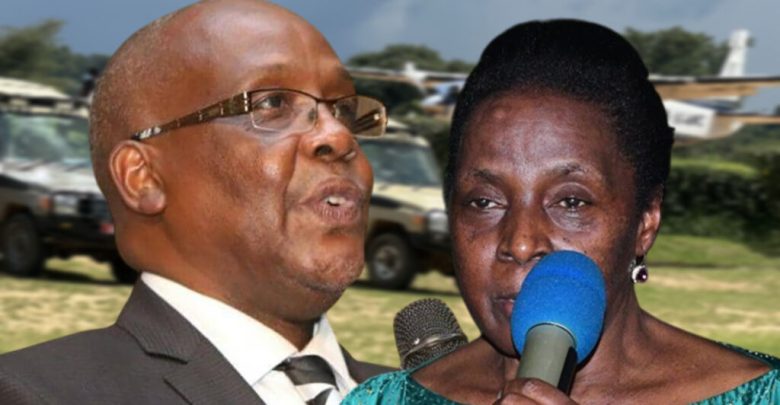
The discussion has also revived comparisons with the tenure of former Kampala Lord Mayor Erias Lukwago, whose time in office was marked by frequent clashes with central government authorities over control of the capital.
During Lukwago’s leadership, disputes often arose over administrative powers, funding allocation, and the extent of autonomy granted to city leadership under the KCCA structure.
Balimwezo’s remarks suggest a continuation of the careful balancing act required of opposition leaders operating within a centralized governance system.
Political observers say his insistence on party consultation reflects both the structure of the National Unity Platform and the broader political environment in which opposition officials must navigate sensitive engagements.
As discussions around Kampala’s infrastructure continue, the question remains whether dialogue between KCCA leadership and central government figures like Gen Muhoozi will proceed smoothly or become another point of political contention in the management of the capital.