A wave of debate swept across Uganda after the suspension of operations affecting some of the country’s most prominent media outlets, including NTV Uganda and Daily Monitor. The development immediately attracted public attention, with many Ugandans seeking answers about the circumstances surrounding the action and its implications for the media industry.
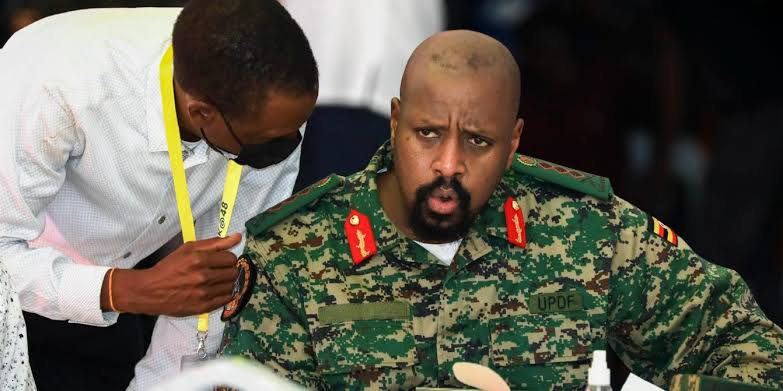
The controversy intensified after comments attributed to Gen. Muhoozi Kainerugaba circulated widely on social media. The remarks quickly became a major talking point among journalists, political commentators, civil society groups, and ordinary citizens, generating intense discussion about media regulation and freedom of expression.
For years, NTV Uganda and Daily Monitor have been among the most influential sources of news and current affairs coverage in the country. Their reach extends to millions of Ugandans who rely on them for information about politics, business, sports, and social issues.
The suspension created uncertainty among viewers, readers, and advertisers who suddenly found themselves unable to access content through the affected platforms. Many people turned to social media to express surprise and seek clarification regarding the situation.
Media analysts observed that any action involving major broadcasters and newspapers naturally attracts widespread attention because of the critical role such institutions play in informing the public. They noted that disruptions in media operations often have effects that extend beyond the organisations themselves.
Within journalistic circles, the development triggered conversations about the future of media-government relations in Uganda. Reporters and editors discussed the importance of maintaining professional standards while also preserving the independence necessary for credible journalism.

Political observers argued that the incident highlights the ongoing tension that can arise between regulatory authorities and media organisations. Such disputes are not unique to Uganda and have been witnessed in various countries where questions about compliance and press freedom frequently emerge.
As public interest grew, many Ugandans began demanding detailed explanations from both regulators and the affected media companies. Citizens expressed a desire to understand the specific issues that led to the suspension and the conditions required for normal operations to resume.
Several commentators pointed out that public trust in institutions is strengthened when important decisions are accompanied by transparent communication. They argued that clear information helps reduce speculation and promotes informed public discussion.
The issue also reignited broader debates about the responsibilities of media houses. While journalists are expected to provide accurate and balanced reporting, media organisations are also required to operate within the legal and regulatory frameworks established by the country.
Supporters of stricter enforcement measures argued that compliance with regulations should apply equally to all institutions regardless of size or influence. They maintained that no organisation should be exempt from established requirements.
Critics, however, warned that actions affecting major news outlets should be approached carefully because of their potential impact on access to information. They emphasized the importance of ensuring that regulatory decisions are implemented fairly and transparently.
Across social media platforms, thousands of users shared differing opinions on the matter. Some welcomed what they viewed as a firm stance on compliance, while others expressed concern about the potential consequences for media freedom and public discourse.
The debate quickly expanded beyond the immediate suspension and evolved into a national conversation about the future of journalism in Uganda. Questions were raised about how media organisations and authorities can work together while respecting their respective responsibilities.

Industry experts noted that strong media institutions contribute significantly to democratic engagement by providing platforms for discussion, accountability, and the exchange of ideas. They argued that maintaining public confidence requires cooperation between regulators and media stakeholders.
Meanwhile, employees working for the affected organisations faced uncertainty as they awaited official updates regarding operational status and future developments. The situation drew sympathy from many members of the public who recognized the livelihoods connected to the media sector.
Business leaders and advertisers also monitored events closely because major media platforms play an important role in reaching consumers and promoting commercial activity. Any prolonged disruption could have economic consequences beyond the news industry itself.
As discussions continued, attention increasingly focused on finding a constructive path forward. Many stakeholders called for dialogue and engagement aimed at resolving outstanding concerns while ensuring that public access to information remains protected.
Observers noted that the outcome of the situation could influence future interactions between media organisations and authorities. For that reason, the developments are being closely watched by journalists, policymakers, and international observers alike.
Regardless of differing opinions, the suspension has become one of the most significant media stories in recent memory. It has sparked a nationwide conversation about regulation, accountability, freedom of expression, and the evolving role of the media in Uganda’s political and social landscape.