Former Aruu County MP Odonga Otto has joined the growing list of political figures speaking out following the controversial arrest of former Kampala Lord Mayor Erias Lukwago, warning that power and life are temporary and that no leader remains influential forever.
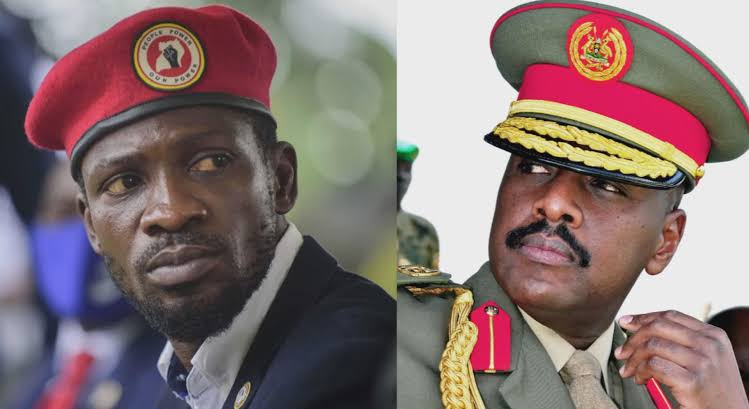
In a strongly worded message shared on social media, Otto appeared to respond to the ongoing political tensions involving Chief of Defence Forces Gen Muhoozi Kainerugaba and several opposition figures.
The former legislator reminded Ugandans that history has repeatedly shown that political power is never permanent, regardless of how strong or untouchable a leader may appear at a particular moment.
“Power and life are all temporal things. In 50 years the terrain and issues will be totally different,” Otto wrote, a statement that quickly attracted attention across social media platforms.
His remarks come at a time when public debate continues to intensify over the arrest of Erias Lukwago and broader concerns about political freedoms and civil liberties in the country.
Unlike some critics who have focused primarily on the actions of security agencies, Otto’s message appeared to address a much deeper issue—the tendency of societies to remain silent when confronted with actions they privately believe are wrong.

According to Otto, his greatest concern is not necessarily what happens to powerful individuals today or in the future, but rather the reaction of ordinary citizens when faced with controversial events.
He suggested that many Ugandans often recognize when something is not right but choose not to speak out, either because of fear, indifference, or resignation.
The former MP argued that such silence can be dangerous because it allows questionable actions to become normalized over time.
His comments have been interpreted by many observers as a challenge to citizens to become more active participants in national conversations instead of leaving public affairs entirely in the hands of political leaders.
Otto’s statement also carries a broader philosophical message about the temporary nature of authority and influence.
Throughout history, leaders who once appeared invincible eventually lost power, while political systems and national priorities evolved with time.
By referring to a period 50 years into the future, Otto sought to place current political disputes within a larger historical context.
He argued that the issues dominating headlines today may eventually become distant memories as new generations confront different challenges and realities.

The former legislator emphasized that no public official, regardless of rank or position, can permanently control the direction of history.
He appeared to caution against the belief that political influence automatically translates into lasting legacy or permanent authority.
Instead, he suggested that leaders are ultimately judged by how they use the power entrusted to them during their time in office.
Otto’s remarks have resonated with many Ugandans who see the current political climate as a test of the country’s democratic values and commitment to accountability.
His comments also reflect a growing conversation among political commentators regarding the role of citizens in holding leaders accountable for their actions.
As debate over the Lukwago arrest continues, Otto’s message serves as a reminder that while governments, leaders, and political movements may rise and fall, the principles of justice, accountability, and public responsibility remain issues that every generation must confront for itself.