The release of the Uganda Human Rights Commission’s (UHRC) 28th Annual Report has ignited national discussion, revealing deepening social and governance crises. The report highlights a range of human rights concerns, including delayed justice, corporal punishment in parts of the Lango sub-region, rising drug abuse, and alarming health trends, such as mental illness and cancer. According to the findings, a growing number of young Ugandans are slipping into addiction, depression, and hopelessness, compounded by economic pressures and fragile social support systems.
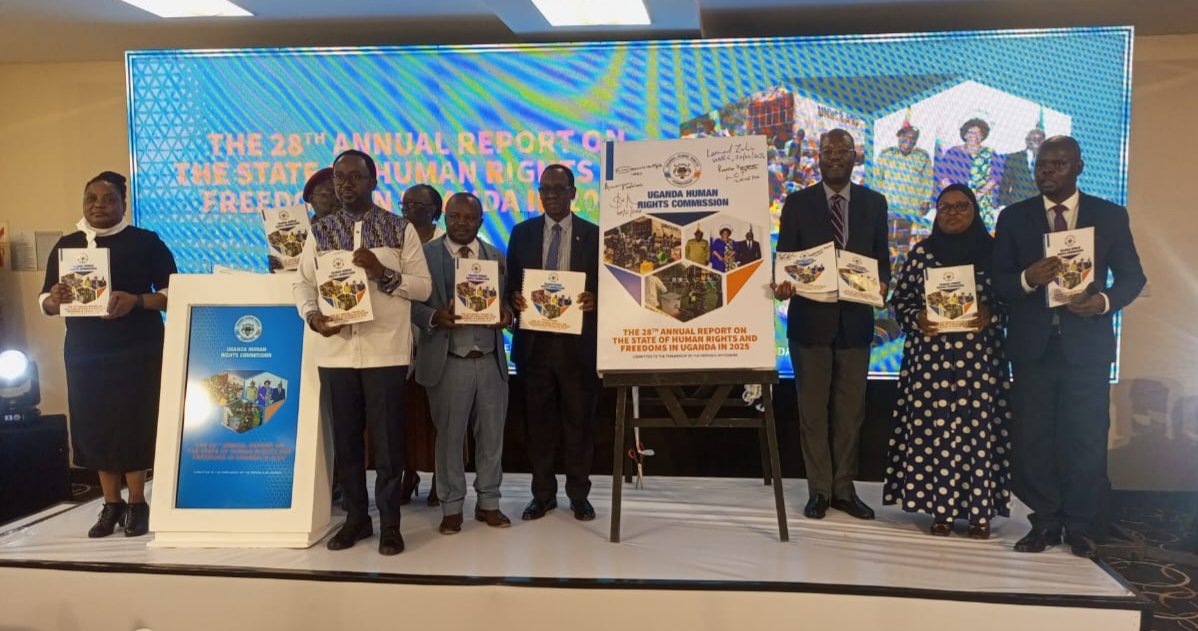
Launched in Kampala by Hon. Lamex Apitta Omara on behalf of Commission Chairperson Mariam Wangadya, the report is intended not as an indictment, but as a call for accountability and transparency across all sectors. Omara stressed the importance of acting on the findings, urging both government agencies and civil society organizations to collaborate in strengthening justice, human rights protections, and democratic governance.
In 2025, the commission received 1,747 complaints, of which 324 involved alleged violations of human rights. The Uganda Police Force topped the list with 181 complaints, followed by private citizens and the Uganda People’s Defence Force. Most cases involved deprivation of liberty, torture, and neglect of child maintenance obligations, highlighting persistent abuse of authority and mistreatment of citizens.
The report also detailed the commission’s tribunal activities, which saw hundreds of cases resolved and compensation worth UGX 885 million awarded to victims of torture, unlawful detention, and other rights violations. Yet, many victims continue to face delays due to funding shortages, case backlogs, and outdated manual systems that slow investigations and hamper timely justice.
A particularly troubling section of the report focused on drug and alcohol abuse among young Ugandans. Substance misuse is rising sharply, especially among unemployed youth aged 18 to 30. On average, each Ugandan consumes around 12 liters of pure alcohol annually, placing the country among the world’s highest consumers. Poverty, unemployment, rural-urban migration, peer pressure, and social media influences are all contributing to the growing crisis, fuelling emotional distress and mental instability.
Alarmingly, children are being exposed to drugs and alcohol as early as 13 to 15 years old, increasing the likelihood of long-term addiction. Marijuana, kush, shisha, and kuba were flagged as the substances most commonly abused by youth attempting to escape economic and social hardship. Mental health facilities, already under pressure, are struggling to cope with the influx of patients.
Statistics in the report indicate that approximately 3.7 million Ugandans face mental health challenges, with young people constituting the largest group. Butabika National Referral Mental Hospital reported that 40 percent of its mental health admissions are linked to substance abuse, while Soroti Regional Referral Hospital continues to receive hundreds of patients weekly, reflecting a growing national health crisis.
Experts have welcomed the UHRC’s findings while urging improvements in research methodology and institutional reforms. Daniel Ronald Ruhweza of Makerere University emphasized the need for adherence to constitutional protections, including the 48-hour rule on detention. As Uganda confronts escalating social pressures, addiction, and human rights violations, the report serves as a stark reminder that safeguarding human dignity and restoring hope among the nation’s youth is an urgent priority.