In a move that has sparked both praise and controversy, Uganda’s government has introduced a policy that mandates medical students to complete a year-long internship before graduation. This change effectively extends medical training from five to six years, with the aim of improving the competence of newly graduated doctors and safeguarding patient safety.
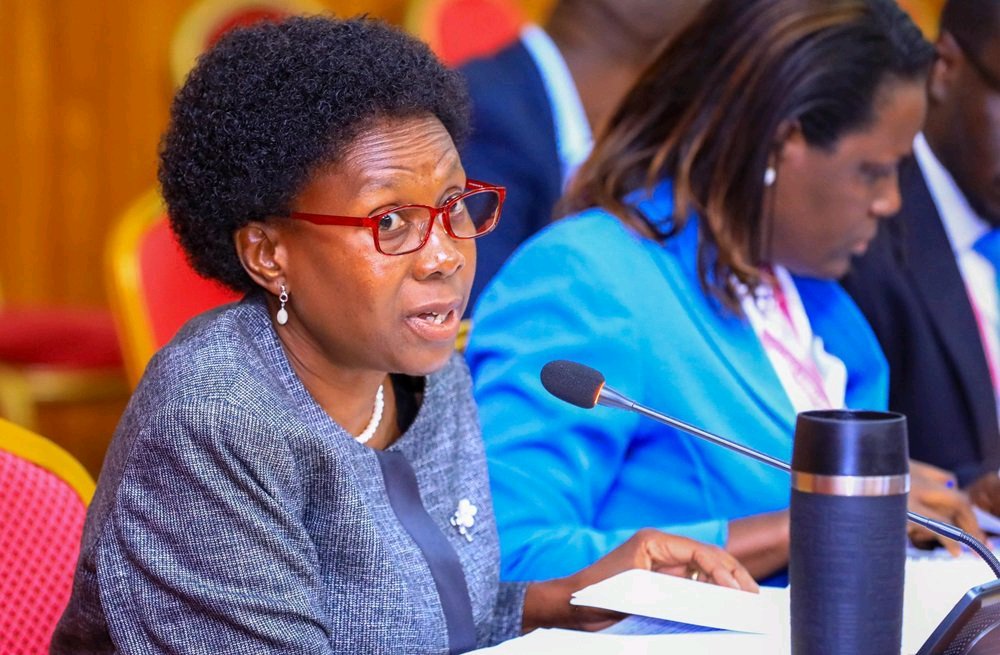
Health Minister Jane Ruth Aceng defended the policy before Parliament, explaining that it was prompted by concerns over graduates failing internship assessments despite already holding medical degrees.
Aceng highlighted that many students, although graduating with a medical degree, were struggling during their internships, with some failing multiple times.
The new policy ensures that only those who complete supervised clinical practice successfully will be eligible for a medical degree. The government’s priority, according to Aceng, is ensuring that all graduates are fully competent to handle patients, emphasizing the critical nature of the medical profession where lives are at stake.
However, the reform has not been met with unanimous support, particularly from Uganda’s medical interns, who have voiced strong opposition due to unresolved welfare concerns. The Federation for Uganda Medical Interns has petitioned Parliament, arguing that interns should be classified as pre-registered healthcare professionals, not students. They assert that since they are performing the duties of doctors, they should be paid accordingly and not left with unpaid allowances, some dating back to August 2025.
The issue of unpaid salaries and poor working conditions has led to intense protests among the interns, who are demanding timely and consistent payments, better accommodation, and more adequate medical resources at their places of work. Lawmakers have expressed concern about the financial strain the extended training period will impose on both students and their families. MP Christine Nandagire questioned whether students would be required to pay additional tuition fees for the extra year of training, and also highlighted the difficult working conditions interns endure in public hospitals.
The debate over the policy has raised questions about whether it will place an additional financial burden on medical students. Parents and guardians who initially signed up for a five-year program are now faced with the prospect of an additional year of tuition costs. This concern, coupled with the interns’ demand for better financial support, has fueled the growing tension surrounding the reforms.
The government has framed the policy as a necessary response to the increasing number of medical institutions in Uganda, which has seen more than 30 medical schools across the country. This rapid expansion, according to Aceng, has led to a surge in the number of medical students, making it more difficult to standardize training and ensure consistent quality across the board.
However, health experts caution that without an increase in funding and available placements, the extended training period could create a bottleneck, delaying the entry of new doctors into the workforce and exacerbating the ongoing shortage of medical professionals in the country.
Uganda’s healthcare system already faces significant challenges, with doctor-to-patient ratios far below global recommendations.
While the policy is seen as an attempt to improve training standards, critics argue that it could inadvertently worsen the country’s health worker shortages unless sufficient resources are allocated to support the reform. The government’s ability to meet these demands will be crucial in determining whether the policy succeeds or creates more problems.
The debate has also shifted towards the allocation of national funds. In a separate discussion, some MPs raised concerns about the government’s decision to fund sanitary pad distribution in schools and prisons, while critical healthcare issues, including the medical intern reform, remain underfunded. Minister Aceng rejected the proposal, arguing it was outside the Ministry of Health’s mandate, but her stance only fueled further debate on the priorities of Uganda’s healthcare policy.
As the government navigates these complex issues, the outcome of this reform will be determined by its ability to balance the need for highly trained doctors with the wellbeing of the medical interns who are essential to the future of Uganda’s healthcare system.